
Vandaag of morgen in huis

Kwaliteit gegarandeerd

Welkomstaanbiedingen ontgrendelen: GRATIS bezorging | Tot 80% korting | Gratis 30 dagen JoyPlus-proefperiode
Download de app
A waist trainer for tummy control can help clothes sit more smoothly, create the appearance of a defined waist and provide extra support around your stomach and back. However, not every style is suitable for everyday wear, exercise or recovery after pregnancy. A low price tells you little about comfort, fit or durability.
So focus on the construction and how you plan to use it, rather than claims such as “slimming”, “maximum compression” or “3X sweat boost”. Read on to find out which features really matter and which styles suit different needs.
More compression doesn’t automatically mean a better fit. A maximum-compression waist trainer can become uncomfortable if the size isn’t right or you wear it for too long. Check the size guide, your waist measurement and how much adjustment the fastening allows.
A well-fitting style should feel firm without digging in, rolling up or unnecessarily restricting your movement. Take it off straight away if you experience pain, numbness or skin irritation.
Phrases such as “calorie burn”, “slimming effects” and “sweat boost” don’t describe guaranteed results. According to Feelingirl’s product description, the sweat waist trainer in question may increase perspiration during activity. This is a brand claim, not a proven effect.
Perspiring also doesn’t automatically change your body shape. A tummy-control corset works mainly by creating a visual effect through compression and support. It’s no substitute for exercise, nutrition or medical advice.
A narrow band can accentuate your waist, but it won’t always fit well around your upper and lower stomach. A waist trainer that’s too short may ride up when you sit or move. So check the height of the band, the number of fastening zones and whether it has boning.
If you’re looking for extra support during gentle exercise, consider a triple wrap waist trainer. For clothes that also shape the bust, back and hips, a full-body shapewear style may be a better fit.
According to the product information, the Feelingirl waist trainers in this selection are made from 35% latex and 65% polyester. Latex can provide firm compression, while polyester helps the garment retain its shape and wick away moisture. Always check whether you’re sensitive to latex.
A breathable, moisture-wicking inner layer is useful for everyday wear or exercise. However, no material can prevent heat or perspiration altogether. Wash the garment according to the care label and let it dry completely before wearing it again.
A multi-layer design with steel boning offers more structure than a simple elastic band. The triple wrap styles mentioned have three adjustable bands and five bones. This can help you position the band more securely around your waist, though it will also feel firmer.
Don’t use a waist trainer for exercise as a substitute for good posture or professional guidance. During more vigorous movement, boning and firm compression may feel less comfortable than they do when walking, doing light workouts or wearing it day to day.
An adjustable waist trainer is useful if you want to change the level of compression gradually. Don’t just look at S, M, L, XL or XXL. Also check:
A wide band generally covers more of your stomach, but it may crease at the waist more easily if you have a shorter torso. Fit matters more than a vague claim such as “maximum compression”.
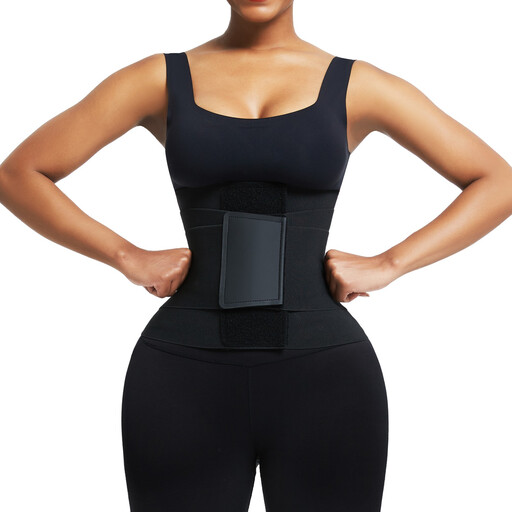
Why it suits this profile: This style combines adjustable bands with a triple-layer design. It’s a practical choice if you’re trying a firm waist trainer for the first time and want to adjust the compression yourself.
The three bands mean you don’t have to rely on a single fastening. Be sure to check the size before ordering, though; XL doesn’t mean the same thing across every brand.
35% latex and 65% polyester; three bands, five steel bones and a fabric described in the product information as moisture-wicking.
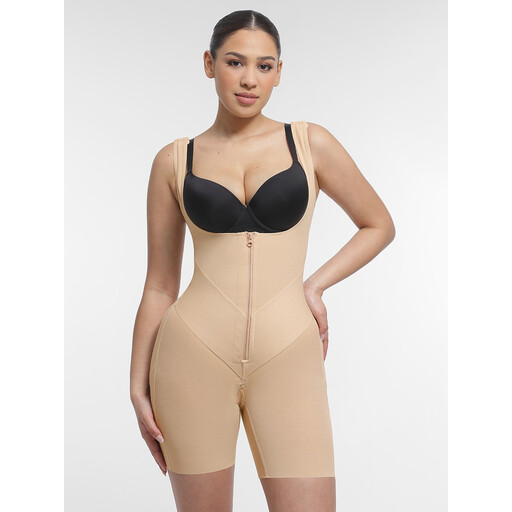
Why it suits this profile: This full-body shapewear style is designed for anyone looking to create a smooth silhouette across the bust, back, waist and hips as well as the stomach, all in one garment.
The wide waistband and adjustable shoulder straps help reduce shifting. According to the product information, the compression is medium rather than maximum.
U-shaped bust support, three rows of adjustable shoulder straps, a front zip fastening and a practical crotch opening.
Why it suits this profile: Its firm construction is aimed at anyone looking for a waist trainer for light workouts, walking or more defined tummy and waist compression.
The band isn’t just a loose elastic waistband: the triple wrap system and five bones provide more structure. Gradually increase how long you wear it.
Maximum compression & support according to the product listing; 21-inch-wide double bands and an adjustable fastening.
Wear a waist trainer for short periods at first to see how your skin and freedom of movement respond. Avoid sleeping in firm compression and take it off if you experience pain, tingling or shortness of breath. You should be able to move and breathe normally while exercising.
A postpartum waist trainer isn’t automatically suitable straight after giving birth or having surgery. Wait until your healthcare provider says it’s appropriate to use one. Shapewear isn’t a medical treatment and doesn’t replace professional advice.
Hand-washing is recommended for the triple wrap styles: briefly soak in water with a mild alkaline detergent, rub gently, rinse and leave to dry in the shade. Don’t put it in the washing machine or tumble dryer, leave it in direct sunlight or wring it out. This helps it retain its elasticity for longer.
We’ve put together a complete, up-to-date list of products that meet these strict selection criteria and the applicable European safety requirements.
Position the band around your natural waist and fasten it without applying extreme pressure. Start by wearing it for a short time, and check that the waist trainer doesn’t roll up or rub. When exercising, having enough freedom to move is more important than making it as tight as possible.
Its lifespan depends on how often you wear it, perspiration, fastenings and care. Hand-washing, drying it gently and avoiding stretching it as you put it on can help protect the fabric and boning. Replace it if the fastening comes loose, the fabric becomes permanently misshapen or the boning starts to poke through.
Some people may find it comfortable to wear one for limited periods, but prolonged daily compression isn’t suitable for everyone. Alternate what you wear, listen to your body and choose a softer style if a firm waist trainer feels uncomfortable.
