
Vandaag of morgen in huis

Kwaliteit gegarandeerd

Welkomstaanbiedingen ontgrendelen: GRATIS bezorging | Tot 80% korting | Gratis 30 dagen JoyPlus-proefperiode
Download de app
A waist trainer may be worth considering if you’re looking for extra abdominal compression and support while exercising, under clothing or during everyday activities. However, not every model is suitable for extended wear or intense training. A firm waist belt can feel too tight, shift out of place or wear out more quickly if its construction isn’t suited to your shape.
In this buying guide, you’ll find out what to look for in a waist trainer, tummy trainer or shaping abdominal belt. Our recommendations are based on verifiable product specifications, such as materials, fastenings, support features and care instructions.
The phrase waist trainer with maximum compression sounds appealing, but more pressure doesn’t automatically mean greater comfort or a better fit. A belt that’s too small can roll up, dig in or restrict your movement. Measure your waist according to the product’s size guide, rather than choosing based only on your clothing size.
An adjustable fastening is useful because it lets you alter the tension gradually. When trying the belt on, start with a moderate setting. A waist trainer should fit snugly, but it shouldn’t be painful or restrict your breathing or movement.
Some product descriptions mention a “3X sweat boost” or a greater slimming effect during exercise. These claims come from the brand’s or seller’s product information and shouldn’t be taken as guaranteed results. Sweating more mainly means losing more fluid; it doesn’t mean you’ll achieve a proven, lasting reduction in body fat.
So, don’t use a sports waist trainer as a substitute for exercise, a balanced diet or rest. Stop wearing it if you experience pain, tingling, skin irritation or breathlessness.
Stays can add shape and structure, but poorly finished edges may feel uncomfortable. Check whether the waist trainer has several support points, whether the fabric fully covers the stays and whether the belt stays in place as you move.
A postpartum abdominal belt calls for extra care. Recovery after childbirth varies from person to person. Only use a waist trainer during this time if it’s suitable for your circumstances, and ask a midwife or doctor for advice if you’re unsure. A product isn’t a medical device unless this is explicitly stated in accordance with the applicable regulations.
A blend of latex and polyester is common in firm compression garments. Latex can create a snug, structured feel, while polyester helps with durability and gives the outer surface a smooth finish. If you have sensitive skin, check the materials and wear the belt for a short time to begin with.
According to the product information, the Feelingirl models in this selection are made from 35% latex and 65% polyester. The description also mentions breathable, moisture-wicking fabric. These are product specifications; how comfortable the fabric feels will also depend on your skin, clothing and how intensively you use it.
A triple-wrap waist trainer uses several bands to distribute tension across your abdomen. This can be more convenient than a single wide fastening if you want to adjust the pressure at different times. Check that the bands don’t dig into your skin and that you fasten them evenly.
A belt with three layers and several fastening points may feel heavier and warmer than a simple abdominal control belt. Choose a lighter model if you mainly want subtle shaping under your clothes.
According to the product description, the Feelingirl waist trainers mentioned have a three-layer compression design with five steel stays. This can provide extra structure and back support, but it doesn’t guarantee better posture or protection from injury.
For heavy squats, deadlifts and other strength training, a dedicated weightlifting belt is a different type of product from a waist trainer. A sports waist trainer is mainly designed for abdominal compression and shaping support, not as a substitute for a properly used lifting belt.
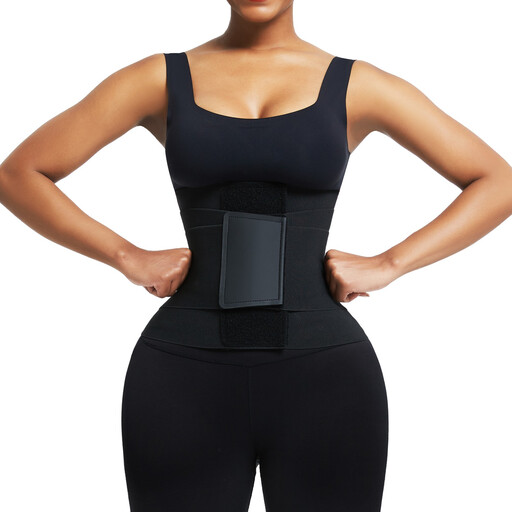
Why it suits this profile: This model has an adjustable three-band design, making it a good choice if you’re trying a firm tummy trainer for the first time and want to set the compression gradually.
According to the listing, size S has a 23-inch-wide double band with adjustable tension. Always check your waist measurement before ordering.
35% latex and 65% polyester; three-layer construction with five steel stays.
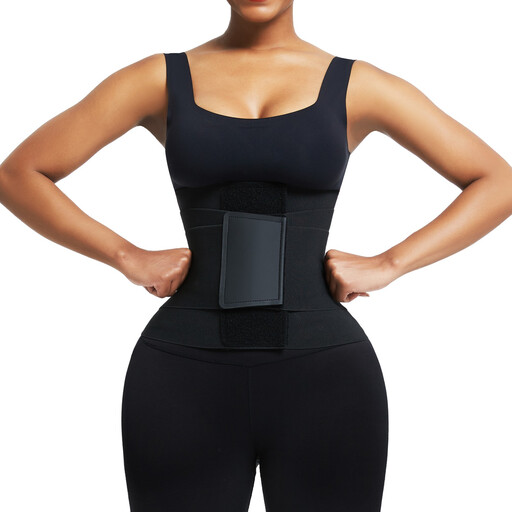
Why it suits this profile: The XL version is designed for anyone looking for a wider waist belt and a firmly structured model for everyday wear or controlled training sessions.
The product specifications mention an adjustable, non-slip fit and five stays. This can help prevent the belt from rolling up, but choosing the right size is still essential.
20-inch-wide double band; three-layer compression with a material blend of 35% latex and 65% polyester.
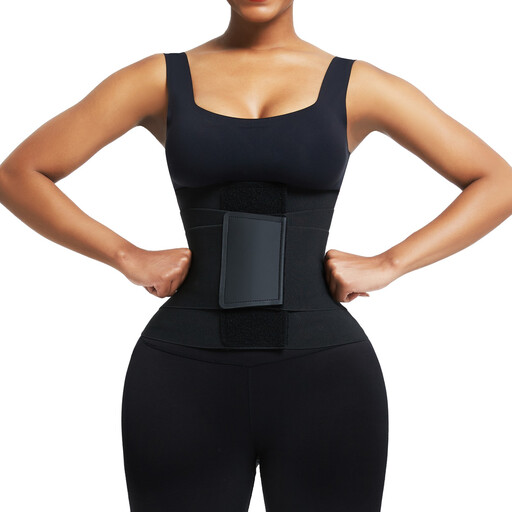
Why it suits this profile: This model is a good fit for anyone who wants a firm, structured waist belt with several adjustment points for the gym, yoga or everyday activities.
The belt has three fastening points rather than one fixed circumference. This lets you adjust the tension as you move, provided you’ve chosen the right size.
24-inch-wide double band; five steel stays and a three-layer design, according to the product description.
According to the product instructions, soak this waist trainer for about three minutes in water with a few drops of mild alkaline detergent. Gently rub the fabric by hand, rinse it thoroughly and hang the belt in the shade to dry. Avoid using a washing machine or tumble dryer, exposing it to direct sunlight or wringing it out.
Wear a firm compression belt for short periods at first, and check the seams, fastenings and stays after use. If you wear it every day, alternating with a second belt can help reduce drying time and wear. Bear in mind the effects of perspiration and skin contact, and follow the manufacturer’s care instructions.
We’ve put together a complete, up-to-date list of products that meet all these strict selection criteria and the applicable European safety requirements.
A waist trainer should fit snugly without causing pain, numbness, breathlessness or restricting your movement. You should be able to breathe normally, and the belt shouldn’t dig into your skin. Start with a looser fit and gradually increase how long you wear it.
Its lifespan depends on how often you wear it, how much you perspire, how much you move and how well you care for it. A model made with latex, polyester and steel stays may retain its structure, but seams and fastenings wear with repeated tightening. Follow the care label and replace the belt if the material, stays or fastening are damaged.
A postpartum abdominal belt may offer extra support for a limited time, but recovery after childbirth varies from person to person. Don’t use a waist trainer as a treatment, and speak to a midwife or doctor if you’re unsure. Only choose a model once you can move comfortably and have confirmed that it’s the right size.
