
Vandaag of morgen in huis

Kwaliteit gegarandeerd

Welkomstaanbiedingen ontgrendelen: GRATIS bezorging | Tot 80% korting | Gratis 30 dagen JoyPlus-proefperiode
Download de app
A waist trainer for your tummy and waist can temporarily smooth the way clothes fit and provide extra support around your midsection. The difference between a useful style and a disappointing purchase usually comes down not to a flashy advertising claim, but to the fit, the material and the way the band fastens.
If you’re looking for a triple waist trainer, a tummy-control waist trainer or a waist band for workouts, watch out for these common pitfalls.
A waist trainer with maximum compression may feel supportive, but a size that’s too small can roll up, dig in or restrict your movement. A good fit matters more than the tightest possible fastening, especially for fitness, yoga or extended wear.
Always use the product’s size chart and measure as instructed. Don’t automatically choose a smaller size to try to create a slimmer look.
Some sellers promise increased sweating or higher calorie burn. According to Feelingirl’s product description, this waist trainer is designed for a “3X sweat boost”. This is a claim from the product information, not an independently established effect. What’s more, sweating more doesn’t automatically mean you’ll lose body fat.
Think of a waist trainer as a garment for temporary shaping and support, not a substitute for exercise, nutrition or medical advice.
A waist trainer with boning can give the band more structure, but stiff boning may feel uncomfortable if it presses against your ribs or hips. Latex often provides a firm, stretchy feel, but it isn’t suitable for everyone. Check the fabric composition and stop wearing it if you experience skin irritation, pain or numbness.
Don’t just look for phrases such as “firm control” or “maximum compression”. Check:
A style with three adjustable bands may distribute pressure more evenly than a simple elastic band. The Feelingirl styles in this selection have a triple-layer construction and an adjustable fastening.
The waist trainers mentioned are made from 35% latex and 65% polyester. Polyester is hard-wearing and helps the garment retain its shape; latex provides elastic compression. If you’re sensitive to latex, check the composition and product information first.
For the styles mentioned, the manufacturer recommends hand washing: briefly soak in water with a small amount of mild alkaline detergent, rub gently and leave to dry somewhere cool. Don’t put the band in the washing machine or tumble dryer, leave it in direct sunlight or wring it out. This helps protect its elasticity and boning.
According to the product description, five steel bones provide extra structure and back support. This may suit everyday wear or light workouts, but not everyone finds a firm construction comfortable during vigorous movement.
Also check the stated band width. Across the product variants, this ranges from around 12 to 24 inches. A wider band covers more of your tummy; a narrower style may feel less restrictive. This is particularly relevant if you’re looking for a waist band for workouts.
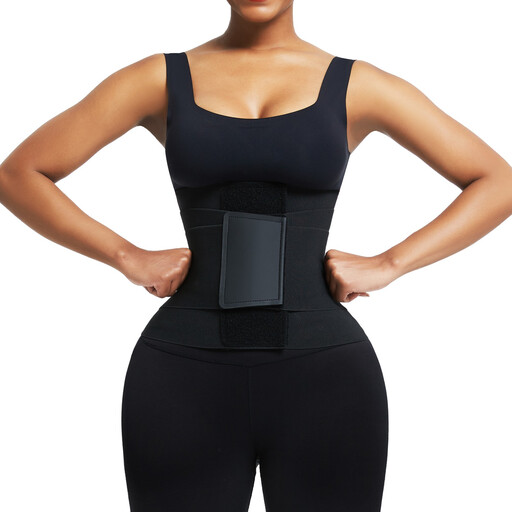
Why it suits this profile: A triple waist trainer with adjustable bands, for anyone trying firm tummy compression for the first time and wanting to adjust the tension gradually.
The adjustable three-band construction means you don’t have to rely on a fixed fit that may be too tight.
35% latex, 65% polyester, five steel bones and a stated band width of 23 inches.
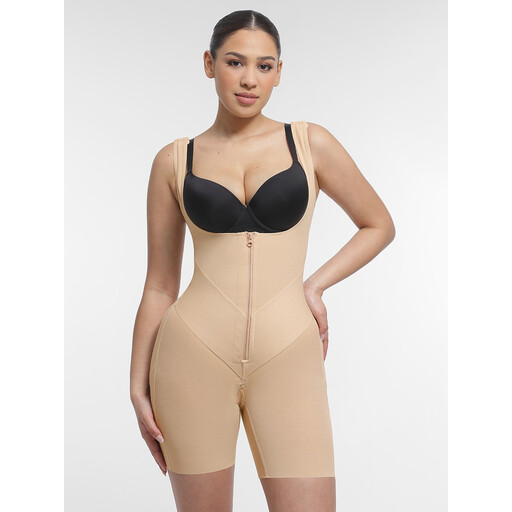
Why it suits this profile: A tummy and waist shaper for anyone looking to shape not only their waist but also their bust, back and hips under clothes.
The medium compression level is described more clearly than general claims about maximum support.
U-shaped bust support, adjustable shoulder straps, a zip fastening and laser-cut leg openings.
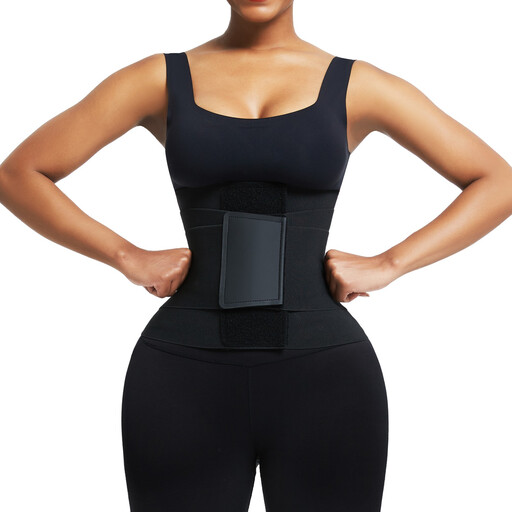
Why it suits this profile: Designed for users looking for firm support during everyday activities or a suitable workout.
The product information lists the material, boning and band width, so you can compare the construction rather than choosing based on advertising claims alone.
Three layers, five steel bones, adjustable tension and a stated band width of 21 inches.
Start by wearing a firm waist trainer for a short time, and check that you can sit, walk and breathe normally. Don’t wear the band while sleeping. Stop wearing it if you experience pain, tingling, breathlessness or skin problems.
A postpartum waist trainer or supportive shapewear after a procedure isn’t a routine purchase. Speak to a doctor, midwife or other medical professional first about when to wear it, the fit and the level of compression. The product description alone isn’t enough to guide you.
We’ve put together a complete, up-to-date list of products that meet these strict selection criteria and the applicable European safety regulations.
It depends on the level of compression, the fit and your own comfort. Start with a short period of wear and increase it gradually only if the band doesn’t dig in or rub. A firm waist trainer isn’t designed to be worn unnoticed all day or overnight.
A waist trainer can shape the appearance of your tummy and waist while you’re wearing it. The effect is temporary. Claims about lasting changes to your body or extra fat burning shouldn’t be treated as established facts without reliable evidence.
Always follow the care label. Hand washing with mild detergent is recommended for the Feelingirl waist trainers. Leave the band flat or hanging to dry somewhere cool, and avoid bleach, the washing machine, tumble drying, sunlight and wringing it out.
