
Vandaag of morgen in huis

Kwaliteit gegarandeerd

Welkomstaanbiedingen ontgrendelen: GRATIS bezorging | Tot 80% korting | Gratis 30 dagen JoyPlus-proefperiode
Download de app
Wafer biscuits are handy with coffee, in a lunchbox or as a small sweet snack on the go. Yet chocolate wafers, milk crème wafers and fruity varieties can differ considerably in flavour, portion size and packaging. Attractive packaging does not always tell you enough about what you are actually buying.
So pay particular attention to these common pitfalls:
For individually wrapped wafers, the number of portions and the weight per portion are more important than the total weight alone. For example, NABATI Butter Caramel Flavor Wafer consists of 12 packs of 27 grams, totalling 324 grams. This makes these caramel wafers practical for a bag, desk or lunchbox.
A product such as Meito Pukupukutai Chocolate Wafer is offered as a portion of 16.5 grams. That suits anyone who wants to take a small amount with them. With larger packs, such as the 200-gram Garden wafers, it is useful to check whether the inner packaging really consists of separate sachets.
The ingredients list helps put marketing terms into context. For example, Garden Wafers with peanut flavour list 5% peanut paste, while JD-Garden Peanut-Flavored Wafer Biscuits list 3% peanut butter. Both are peanut wafers, but their composition is not identical.
In the Netherlands, pay particular attention to allergens shown in bold on the label. Many wafer biscuits contain wheat, gluten, milk or soya. Hazelnut wafers may also contain hazelnuts, and some products may contain traces of other nuts, egg or sesame. Always check the packaging of the batch delivered, especially if you need to take an allergy or intolerance into account.
Wafers are generally an energy-dense sweet snack. Nutritional information is often provided per 100 grams, while in practice you may eat one bar or sachet. Sarelle Milk Chocolate Coated Hazelnut Wafer lists 535 kcal per 100 grams and approximately 177 kcal per 33-gram bar. This gives you a more useful picture of a single portion.
For KitKat Gold, approximately 62 kcal per 11.6-gram piece is stated. This type of information is helpful when comparing chocolate wafers by portion size. A lower value per piece may simply be because the individual wafer is smaller, so do not compare isolated figures alone; compare the weight too.
The range extends from Turkish wafers and Japanese wafers to coconut wafers, lemon wafers and classic stroopwafels. According to the brands’ or sellers’ own product information, the flavour and texture may be described as creamy, fruity or crisp, for example. Treat such descriptions as product information, not as a guarantee of your personal taste experience.
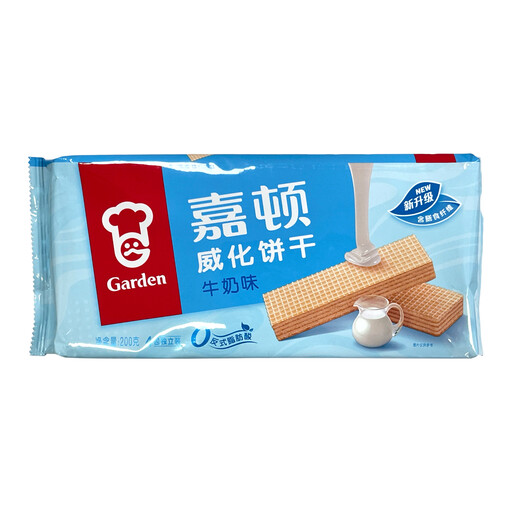
Why it suits this profile: A 200-gram pack with separate inner wrappers is practical for sharing or taking with you over several days.
The listing states that there are separate inner wrappers, so you do not have to open the entire bag at once.
Milk flavour, a multi-layer wafer structure and a stated weight of 200 grams.
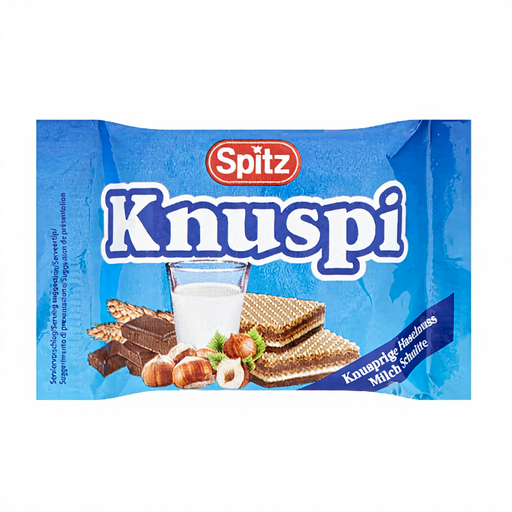
Why it suits this profile: This option combines chocolate-hazelnut filling with ten individual portions, making it easy to keep a tidy supply for coffee or tea.
The number of pieces and individual portions are clearly stated in the product name; check the current nutritional information on the packaging.
Ten pieces, 7% whole milk powder and 3% hazelnuts according to the product information provided.
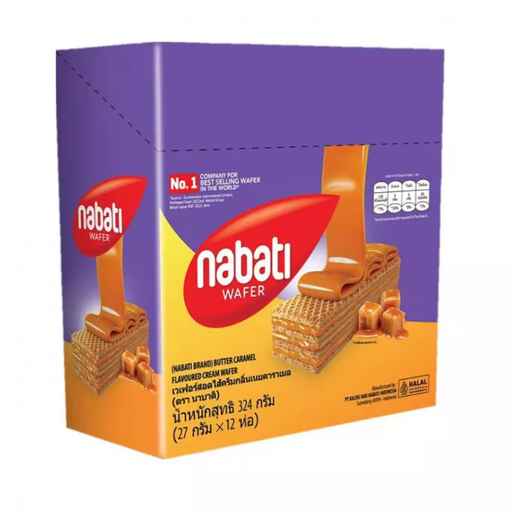
Why it suits this profile: With twelve individual bars, this product is suitable for taking with you regularly, sharing or keeping in the office.
The portions are individually wrapped, so the entire box is not repeatedly exposed to air and moisture.
Twelve 27-gram pieces, caramel flavour and a total weight of 324 grams.
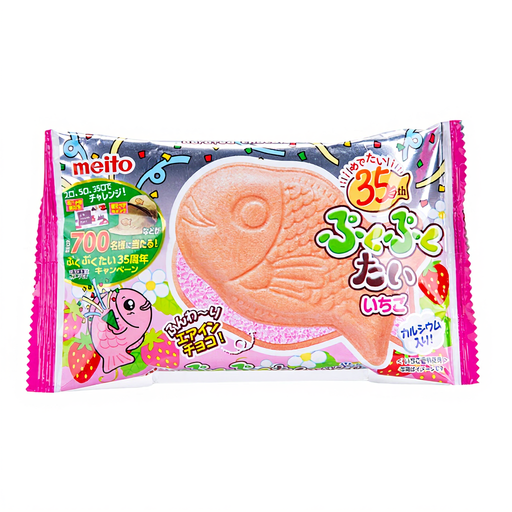
Why it suits this profile: The combination of chocolate and strawberry differs from classic milk crème wafers and suits anyone who wants to try Japanese wafers and new flavour combinations.
The 16.5-gram portion size is clearly stated, so you do not have to rely solely on the eye-catching flavour name.
16.5-gram portion pack and a combination of chocolate and strawberry flavours.
We have put together a complete, up-to-date list of products that fully meet these strict selection criteria and the applicable European safety regulations.
If you like variety, you can also consider these options alongside chocolate wafers:
Store wafer biscuits in a cool, dry place away from direct sunlight and moisture. Seal opened packaging properly. If a chocolate coating softens in the heat and then hardens again, the product information states that a white bloom may appear due to oil separation. When in doubt, always check the packaging and do not use a product with damaged packaging.
Store them in a dry place at room temperature, away from heat and direct sunlight. Seal an opened bag or box airtight. In practice, individually wrapped wafers are easier to portion without repeatedly exposing the rest to moisture.
That depends on the size and packaging. 27- or 33-gram bars and individually wrapped wafers are practical for eating on the go. However, check that the wafer cannot be broken by heavier items in the bag, and review the allergen information before putting one in someone’s lunchbox.
This varies by brand, flavour and portion size. Compare the nutritional tables per 100 grams and then per piece. A small portion may contain less sugar than a large bar, but that does not automatically say anything about the composition per 100 grams.
