
Livraison le jour même et le lendemain

Qualité garantie

Débloquez vos offres de bienvenue: Livraison GRATUITE | Jusqu'à -80 % | 30 jours d'essai gratuits à JoyPlus
Téléchargez l'application
Buying soft drinks and fruit juice online may seem straightforward, but product names and packaging can give a misleading impression. A drink with “fruit” on the label does not necessarily contain much fruit juice. And “no added sugar” does not mean a product contains no sugars. A large bottle is not always better value either, especially if you only have a glass now and then.
Use these practical checks to compare coconut water, fruit juice, tropical drinks, squash and sugar-free soft drinks using information you can verify.
An image of mango, peach or lychee makes a drink easy to recognise, but always check the ingredients list. It will tell you, for example, what percentage of the drink is fruit juice or fruit purée. A fruit drink may also contain water, sugar, flavourings, colourings or sweeteners.
100% fruit juice is a different product category from a fruit drink or a soft drink containing a small amount of juice. For example, Appelsientje Orange Juice states that it contains 100% fruit, while product information describes DubbelFrisss Apple Peach as a soft drink made with 2% fruit juice from concentrate.
A sugar-free soft drink or low-calorie drink may be sweetened with ingredients such as sucralose, acesulfame K or steviol glycosides. If you prefer to avoid these ingredients, look beyond the nutrition claim on the front of the pack.
Fruit juice with no added sugar still contains naturally occurring sugars. So compare the nutrition information per 100 ml. This helps you avoid choosing a product based solely on words such as “zero”, “light” or “natural”.
A pack of several small bottles is handy for when you’re out and about, but it can mean relatively more packaging. A 1 or 1.5-litre bottle is more convenient for a family or a meal, but it needs to be refrigerated after opening and used within the stated period.
Also check the difference between ready-to-drink beverages and concentrates. Squash can make several litres, but the final nutritional values depend on the recommended dilution ratio.
Start with the ingredients list. Ingredients are listed in descending order by quantity. Check the following:
An Asian drink, such as a lychee drink, coconut drink or aloe vera drink, may also contain pulp, nata de coco or coconut flesh. This gives it a different texture from clear juice.
Always use the values per 100 ml when comparing products. Pay particular attention to:
A 1-litre bottle with 5 grams of sugar per 100 ml contains around 50 grams of sugar in total. A 320 ml bottle will naturally contain less overall, even if the value per 100 ml is the same.
Check whether you’re buying a can, bottle, pouch or multipack. A pouch can be handy for lunch or a picnic, while a large bottle is better suited to everyday use at home. Always check the label for storage instructions after opening.
Product packaging may contain more or different information than an online product page. Before drinking, check the current ingredients, allergen information, best-before date and instructions on the packaging.
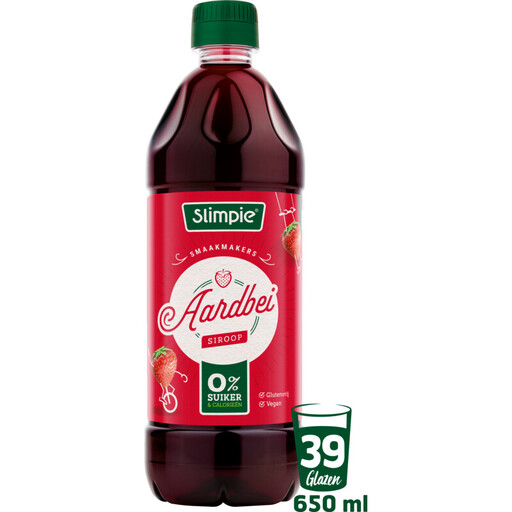
Why it suits this profile: This bottle is a good fit for households that want to control how much drink they make. According to the product information, the dilution ratio is 1+11, so one bottle can make up to around 8 litres.
The yield is clearly stated, so you won’t mistake concentrate for a ready-to-drink soft drink. Just check the dilution ratio you choose.
1 kcal per 100 ml according to the product information; 650 ml of concentrate; vegan and gluten-free according to the product description.
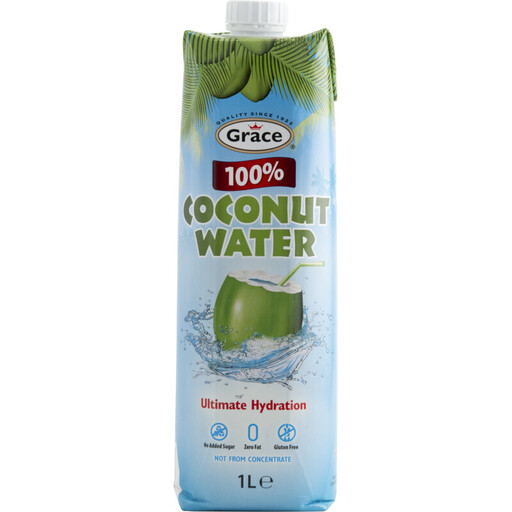
Why it suits this profile: If you value a short ingredients list, this product contains only coconut water as an ingredient, according to the product information.
The name 100% coconut water matches the ingredients listed. According to the product information, no sugar has been added, but naturally occurring sugars are still present.
1-litre pack; 22 kcal per 100 ml; no pulp mentioned in the product description.
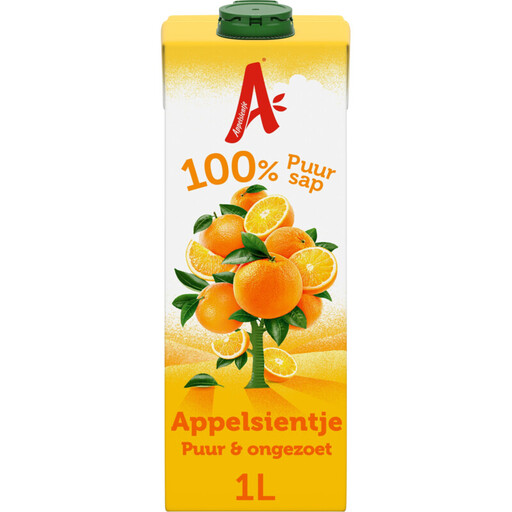
Why it suits this profile: A 1-litre carton is practical for families and breakfast. The product information states that it contains 100% orange juice from concentrate, with no added sugar.
The label distinguishes pure juice from a fruit drink. Its nutritional values of 41 kcal and 8.6 grams of sugar per 100 ml show that “no added sugar” does not mean sugar-free.
100% fruit content; 1-litre pack; the nutrition information lists vitamin C, folic acid and potassium.
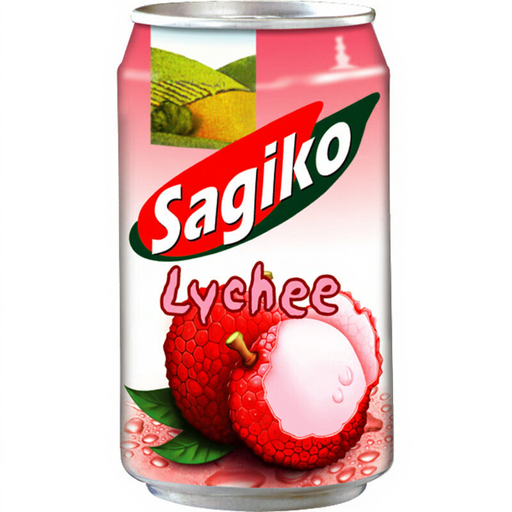
Why it suits this profile: The 320 ml single-serve pack is a good match for an Asian meal, or if you’d like to try a tropical drink without opening a large bottle.
The smaller size helps reduce waste if you only drink it occasionally. The nutritional information lists 43.75 kcal and 10.62 grams of sugar per 100 ml.
Convenient size; lychee purée is listed in the ingredients; ideal as a chilled, fruit-flavoured drink.
We’ve put together a complete, up-to-date list of products that meet these strict selection criteria and current European safety requirements.
No. In fruit juice with no added sugar, the sugars usually come from the fruit itself. Check the nutritional values per 100 ml to compare products fairly.
According to the label, coconut water often has coconut water as its main ingredient. A coconut drink may also contain water, sugar, coconut extract, pulp, stabilisers or flavouring. So always check the ingredients list.
It varies by product. Many juices, coconut drinks and fruit drinks need to be refrigerated after opening and consumed within the period stated on the packaging. Close the bottle tightly and always follow the manufacturer’s instructions.
