
Listening to vowels in a busy room
You want to compare recordings of Dutch vowel sounds before rehearsal without constantly turning up the volume. Pay particular attention to the fit and whether you can temporarily reduce background noise.


If you’re comparing recorded vowel sounds in a noisy room, well-fitting, closed in-ear earbuds with adjustable noise cancelling may help you avoid turning up the volume repeatedly. If you’ll be repeating sounds aloud or talking directly with the group, an open design or a mode that lets in ambient sound may be a better fit, though it will offer less isolation. Test how your voice sounds on your own phone and how the earbuds work with your practice app: a call microphone doesn’t guarantee pronunciation feedback.
You want to compare recordings of Dutch vowel sounds before rehearsal without constantly turning up the volume. Pay particular attention to the fit and whether you can temporarily reduce background noise.
You listen to an example, repeat it and want to assess your own voice. Uitspraaktraining.nl describes listening, repeating and feedback as separate practice steps, so test how your app and phone work with the earbuds.
You’re practising just before the others start and want to be able to follow instructions or a conversation. An open design or a mode that lets in ambient sound may suit you, but will generally let more background noise through.
When you’re doing a short vowel practice session before a group rehearsal, your choice mainly comes down to what matters most at that moment: listening without distractions, assessing your own voice, staying in touch or getting started easily.
| What to consider | What should you check? | Who is this important for? |
|---|---|---|
| Listening to recordings without distractions | Check the fit and whether the exact model has ANC and an ambient sound mode. Don’t turn up the volume to drown out noise. | If I want to compare vowel recordings in a noisy room, I don’t want to keep turning up the volume. Around 36% of consumers therefore prioritise listening to recordings without distractions. |
| Assessing your own pronunciation | Try the practice app on your own phone and check which microphone it uses. If necessary, listen back to a separate recording. | When repeating sounds, I want to assess how my own voice sounds, not just listen to the example recording. Around 29% of consumers prioritise hearing their own pronunciation. |
| Staying in touch with the group | Check how to switch on ambient sound, or choose an open design. Bear in mind that this may offer less isolation. | If I need to follow instructions or join a discussion just before rehearsal, I want to be able to stay in touch with others quickly. Around 21% of consumers prioritise staying available to the group. |
| Getting started easily | For a wired option, check that your device has a suitable connection. For wireless earbuds, check the play time per charge and charge them in advance. | For a short practice session, I want to get started without any hassle with connections, pairing or a flat battery. Around 14% of consumers prioritise getting started easily and reliably. |
A microphone for phone calls doesn’t prove that you’ll be able to assess your pronunciation accurately with those earbuds.
Test recording and playing back audio with your own app and device before relying on this feature.
The quoted total play time may include extra charges from the case, while you’re not using the earbuds.
Compare the play time per charge and charge the earbuds before rehearsal.
An open design and active noise cancelling suit different listening situations. The right trade-off depends on where you’re practising and how quickly the group might need you.
First decide whether listening without distractions or staying in touch matters more. If you choose a closed model, check how to let in ambient sound.
Sony lists ANC and an ambient sound mode for the WF-C710N. According to Sony, the WF-C510 has an ambient sound mode.
According to JBL, the Tune Buds 2 has ANC, Ambient Aware and TalkThru, so you can switch between listening and staying aware of your surroundings.
Shokz describes the OpenFit 2 as an open-ear model with environmental awareness and physical buttons.
Apple’s model comparison lists ANC and a Transparency mode for the AirPods 4 with Active Noise Cancellation.
These Joybuy picks are earbuds to compare for vowel practice. For each model, consider how you’ll use it and test whether your practice app lets you assess your own voice.
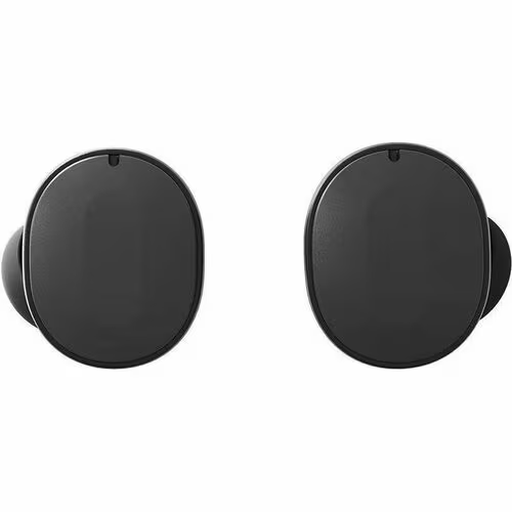 No image available
Compare this model for fit and voice playback with your practice app; a mention of microphones doesn’t prove it offers pronunciation feedback.
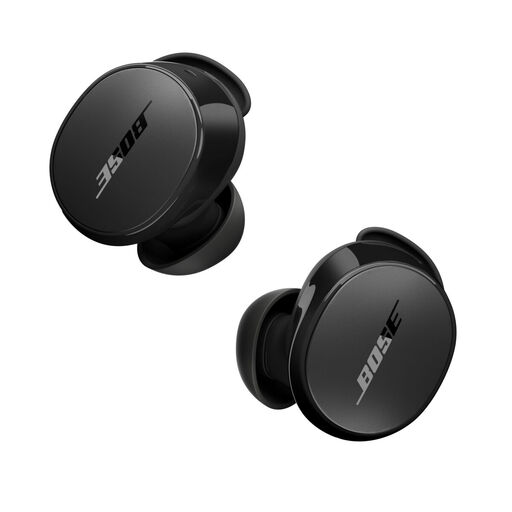 No image available
Worth comparing if you’re looking for a more isolated listening experience but also want the option to let in ambient sound. Test whether you can hear your own voice comfortably when repeating sounds aloud.
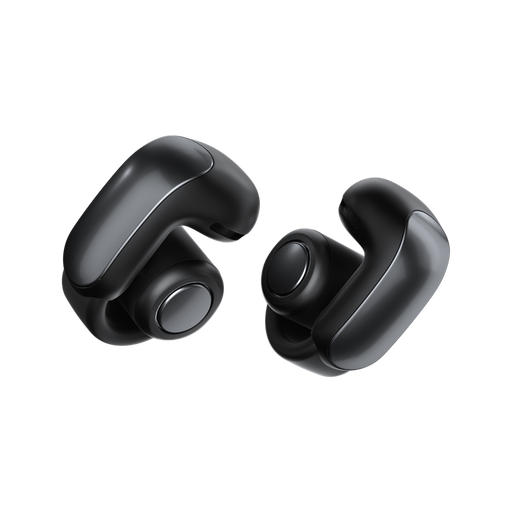 No image available
The open-ear option suits anyone who wants to stay in touch with the group. Its open design won’t provide the isolation you might want in a noisy practice space.
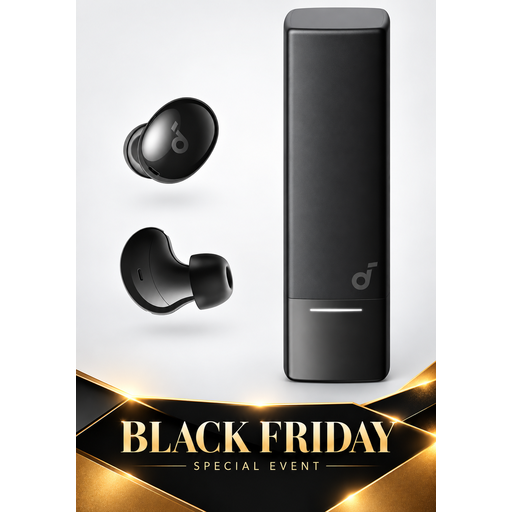 No image available
An option to compare if you’re looking for a model with noise cancelling. Check the fit and listen at a moderate volume.
 No image available
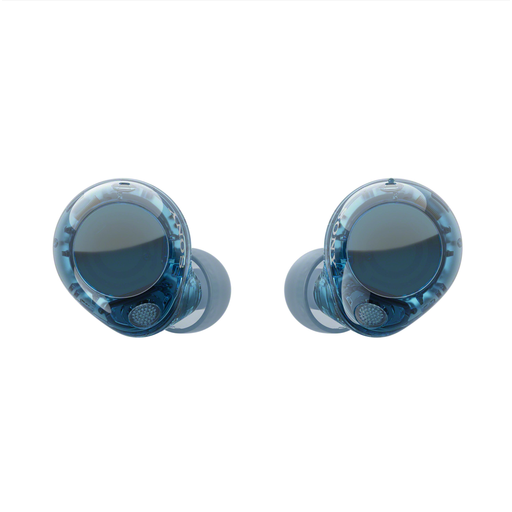
Sony lists ANC and Ambient Sound Mode for the WF-C710N, so you can switch between listening and letting in ambient sound. A closed in-ear design may make your own voice sound different when you repeat sounds aloud; try it for yourself.
No, ANC isn’t essential. Start with suitable practice materials and a quiet place; ANC may be useful if background noise would otherwise tempt you to turn up the volume. A manufacturer’s feature description doesn’t prove that a particular model will help you learn to recognise differences between vowel sounds.
Don’t assume so. Listening, repeating and getting feedback are separate steps in pronunciation practice. Check which microphone your own practice app uses and, if necessary, listen back to a recording; a claim about clear phone calls doesn’t confirm that the earbuds provide accurate pronunciation feedback.
Try different ear tip sizes or check the open-ear fit, pair the earbuds with your playback device and test the listening mode controls. Also check the battery charge; if you have a wired 3.5mm version, your device will need a suitable socket.
Don’t turn up the volume to drown out the group. The World Health Organization recommends using well-fitting headphones or noise cancelling in noisy environments to reduce the temptation to listen at a higher volume.
According to ACM ConsuWijzer, for a standard online purchase you have up to 14 days after delivery to change your mind; check which exceptions apply. Separately, statutory guarantee applies if a product doesn’t meet what you could reasonably expect under normal use; contact the seller about this.