
Vandaag of morgen in huis

Kwaliteit gegarandeerd

Welkomstaanbiedingen ontgrendelen: GRATIS bezorging | Tot 80% korting | Gratis 30 dagen JoyPlus-proefperiode
Download de app
A pair of volleyball or basketball shoes needs to do more than look sporty. During a match, you move sideways, brake suddenly and regularly land after jumping. Yet many buyers focus mainly on the brand, colour or discount. This can leave you with shoes that feel uncomfortable after just a few training sessions or offer little grip on the wrong surface.
The Joybuy Product Recommendation Officer has brought together the key things to check. This will help you compare Nike volleyball shoes, Li-Ning basketball shoes and other indoor sports shoes based on verifiable features.
A sole designed for outdoor use is not automatically suitable for a wooden or synthetic sports floor. Check the product description and look for terms such as rubber indoor sole, non-marking or a multidirectional tread pattern. According to the manufacturer, a sole designed for different surfaces may also be suitable for outdoor use, but that does not mean it will offer the same grip on every sports hall floor.
More cushioning does not always mean more control. Some players may find that a very soft midsole feels less responsive when changing direction quickly. For volleyball, stability during sideways movements and a secure fit around the midfoot are important. For basketball, it also matters how well the shoe supports landings, starts and stops.
Sizing varies between models and foot shapes. A shoe that fits well lengthways may be too narrow at the forefoot. The Li-Ning Wade 808 5 Ultra V2 is described as having a snug fit in the product information; according to the description, people with a wider forefoot could consider going up half a size. Always check the available EU size and allow for sports socks.
For indoor sports, a rubber sole with a clearly defined tread pattern is important. A multidirectional grip pattern supports movement forwards, backwards and sideways. The product information for the Nike Hyperset 2 specifies a non-marking rubber sole with grip for indoor sports floors. The Li-Ning Wade 808 5 Ultra V2 is listed with GCU rubber at the forefoot and TUFF RB rubber at the heel.
Also consider the surface you play on. Dusty floors reduce the grip of almost any shoe. Clean the soles regularly with a slightly damp cloth, and avoid wearing indoor sports shoes as your everyday outdoor shoes.
Cushioning helps absorb impact when you jump and land, but the feel is personal. According to the product description, the Nike Hyperset 2 has a polyurethane foam midsole and Zoom cushioning. Nike links this to impact absorption. Treat this as a product feature, not a guaranteed performance result: the experience depends on your body weight, playing style and the surface.
According to the Li-Ning product description, the Way of Wade 12 uses a double SUPER BOOM midsole, supercritical foam in the insole and a carbon plate at the heel. The manufacturer describes this combination as being designed to support energy return and a stable push-off. These are brand claims, so focus on whether the construction suits your preference for a more responsive or softer feel.
A breathable mesh or textile upper can feel comfortable during long training sessions. At the same time, the material needs to hold your foot securely during sideways movements. According to the product information, the Nike Hyperset 2 combines a lightweight, breathable textile or mesh upper with a supportive midfoot construction.
The Wade 808 5 Ultra V2 is listed with a woven jacquard mesh upper made using 3D printing technology. According to the product description, this provides a snug fit. This could be a good option for players who accelerate and turn frequently, but if you have a wider foot, take extra care when choosing your size.

Why it suits this profile: A practical choice for volleyball players looking for a dedicated indoor shoe with a breathable upper and a rubber sole for sports hall floors. This version is available in EU size 43.
The description mentions indoor volleyball, a non-marking rubber sole and Zoom cushioning. Before buying, check that size 43 is right for your foot length.
Textile upper, polyurethane foam midsole, Zoom technology and rubber indoor sole, according to the product details.
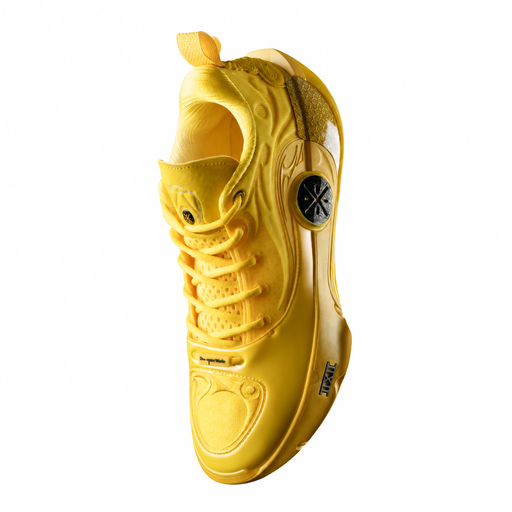
Why it suits this profile: Designed for basketball players looking for an advanced construction with SUPER BOOM cushioning, a carbon plate at the heel and a GCU sole. This model is listed in EU size 43 2/3.
The product information lists specific materials and sizing advice, helping you look beyond just the colour or brand name.
Double SUPER BOOM midsole, supercritical foam in the insole and a carbon plate at the heel, according to the Li-Ning description.
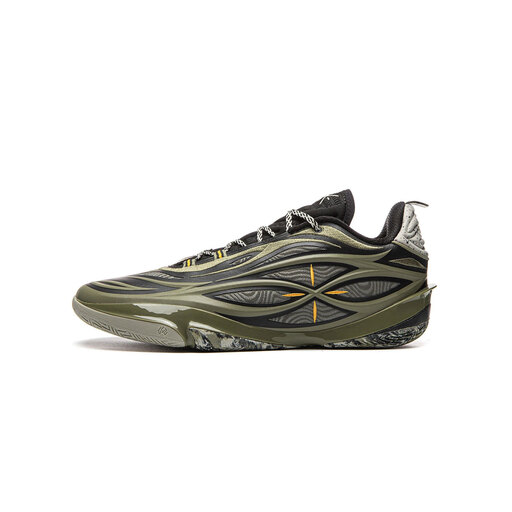
Why it suits this profile: Worth considering for basketball players who accelerate, turn and stop frequently and are looking for a snug-fitting shoe. The listed size is EU 42 1/3.
The sole construction and fit are described in detail. Bear in mind that the forefoot is narrower, and don’t assume you’ll need the same size as in another brand.
Full carbon-fibre plate, TPU construction, GCU rubber at the forefoot and TUFF RB rubber at the heel, according to the product details.
Leave indoor sports shoes to air-dry after every training session. Remove dirt with a damp cloth and avoid prolonged exposure to direct sunlight, strong cleaning products and high temperatures. Do not machine-wash your shoes unless the care label expressly says you can.
Replace your shoes when the tread becomes visibly smooth, the sole starts to come away in places or the midsole has permanently compressed. Lifespan depends on playing hours, body weight, flooring and care. Shoes used only in the sports hall will generally last longer than a pair also worn outdoors.
We’ve put together a full, up-to-date list of products that meet these strict selection criteria and the applicable European safety regulations.
You can for recreational use, but the features vary between models. Volleyball shoes are often designed for low, fast sideways movements and grip on indoor courts. Basketball shoes may put more emphasis on cushioning, a secure fit and support for higher jumps. So compare the sole, fit and cushioning with your playing style.
There’s no set timeframe. Check for worn tread, parts coming away and changes in comfort or stability. Shoes can wear out more quickly if you train several times a week. Use them only on suitable sports surfaces and keep the soles clean.
Not necessarily. According to the product description, a carbon plate can contribute to stiffness and direct power transfer, but the feel varies from player to player. If you’re used to a more flexible, softer shoe, a stiffer construction may feel less comfortable. Check the size and fit before ordering too.
