
Two speakers in a shared space
When practising with two voices, you may also pick up echo and other activity in the room. Microphone placement and, where needed, separate inputs are therefore important factors to consider.


Choose a handheld recorder for short practice takes if both speakers can sit close to the built-in microphones and the room is quiet enough. If you want to assess the voices separately or there’s noticeable echo, look for a recorder with suitable inputs and use a separate microphone for each speaker. Bear in mind that this takes more setting up, and check which microphones, headphones and storage you’ll need.
When practising with two voices, you may also pick up echo and other activity in the room. Microphone placement and, where needed, separate inputs are therefore important factors to consider.
If you want to record several versions and listen back straight away without setting up a full microphone system each time, consider how easy the recorder is to use for recording and playback.
Separate recording channels may be useful if you want to assess or adjust language switches or differences in speaking level for each person individually.
Choose this if: you want to record short versions and both speakers can sit close to the recorder.
Trade-off: sharing one microphone position gives you less control over each voice individually; distance and echo still affect the sound.
Choose this if: you want to start with the built-in microphones and add two external microphones later.
Trade-off: recording each voice separately from close range requires suitable microphones and more setup.
Choose this if: each speaker needs their own microphone and a way to monitor the recording, or you want to edit separate files.
Trade-off: this setup requires more connections and configuration. Don’t assume microphones are included without checking.
| What to consider | What to check before buying | Who is this important for? |
|---|---|---|
| Clear voices | Consider whether both speakers can sit close to a microphone; if using two microphones, check how many compatible inputs the recorder has. | If I mainly want a clear intro in a shared space, I pay attention to microphone placement. Around 36% of consumers say clarity is their top priority. |
| Recording voices separately | Check whether the inputs on the exact model record to separate tracks or files. | If I want to assess or edit the two voices separately, I look beyond the number of inputs. Around 29% of consumers prioritise recording voices separately. |
| Quick re-recording | Check the recording and playback controls, and find out what playback features and storage the model offers. | If I want to practise different versions of an intro, a simple record-and-listen-back routine helps. For around 21% of consumers, this kind of quick practice cycle comes first. |
| Portable setup | Check what’s included in the box for each model, along with the compatible recording media and power options. | If I want to move the setup between practice sessions, I want to know in advance which items I need to take with me. Around 14% of consumers prioritise portability and having a complete setup. |
A microphone can’t effectively separate the voice you want from reflected speech. Shure emphasises that distance and microphone placement matter.
Record a test take in the room where you plan to practise and assess the microphone placement before choosing between built-in microphones and separate inputs.
External microphones and stands require extra setup and take up table space.
An input is a connection, not a microphone. To record two separate voices from close range, you’ll need suitable microphones.
Check what’s included in the box and make a list of what both speakers need before choosing your setup.
Depending on the model, you may also need cables, monitoring equipment and suitable recording media.
According to RØDE, multitrack recording must be enabled on the RØDECaster Duo before recording to capture separate tracks.
Make a short test recording in advance and check which files have been saved.
Zoom makes handheld recorders for quick takes, as well as models with extra inputs or podcast features. Capabilities vary by model.
The DR-40XP combines adjustable stereo microphones with external inputs, so you can expand a simple recording setup.
The RØDECaster Duo is a podcast mixer that can record on its own and is designed for a more advanced two-person setup.
These Joybuy options are voice recorders for capturing spoken audio. Check each model to make sure its connections and recording features are suitable for two speakers using separate microphones.
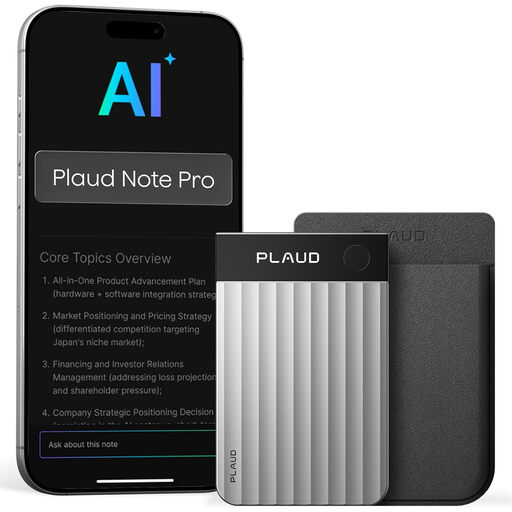 No image available
The product name describes a voice recorder; check whether the model suits the way you want to record two speakers.
The product name mentions AI notes and summaries. Before buying, check whether the connections and recording features are suitable for separate microphones and voices.
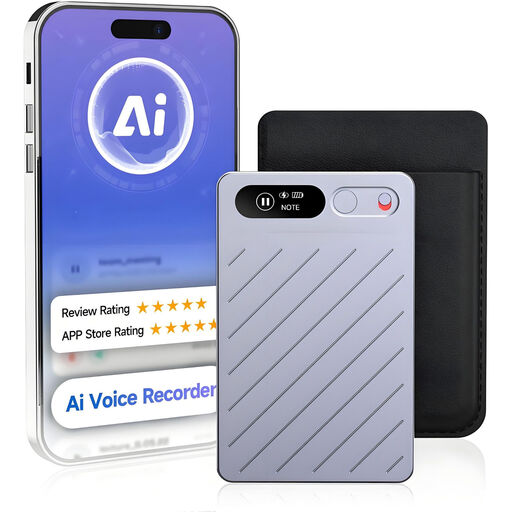 No image available
This type of device may be worth considering if you’re looking for a compact way to record spoken practice takes. Check the connections for your two-person setup.
The product name mentions 64 GB, plus transcription and summaries in 118 languages. Don’t assume it has separate microphone inputs or tracks without checking.
 No image available
The product name identifies this as a portable digital voice recorder; check whether its connections and recording features are suitable for two separate voices.
The product name mentions 128 GB and an LCD screen. Check which microphones and recording media you’ll need for your use.
 No image available
A digital voice recorder may suit you if you’re looking for a device to capture spoken practice takes; check its options for recording two speakers separately.
The product name mentions 64 GB and one-touch recording. Check which microphones, connections and recording channels the exact model offers.
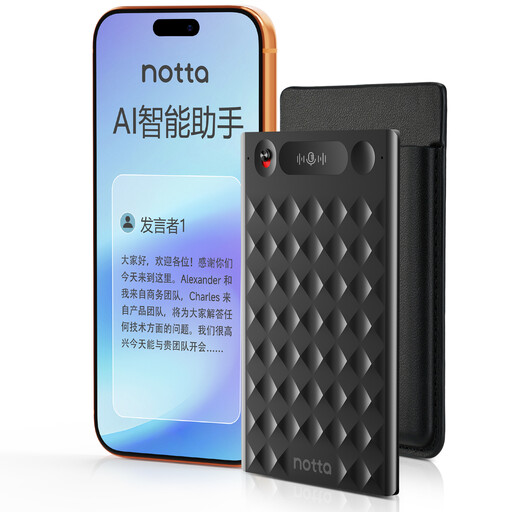 No image available
This voice recorder may be suitable for capturing spoken practice takes; before buying, check that it supports the two-person setup you need.
The product name mentions 32GB, a case and AI transcription. Check separately whether it has suitable inputs and recording channels for two microphones.
No. A recording format doesn’t change the distance between the speaker and microphone or the echo in the room. Position microphones closer to the speakers and listen to a test take to assess background noise.
Check which storage media the exact model uses and make a backup before formatting. RØDE warns that formatting a card in the RØDECaster Duo deletes all the files on it.
If you want to record each voice using its own close-positioned microphone, you’ll need suitable external microphones for the recorders discussed that have separate inputs. The box contents listed by RØDE for the RØDECaster Duo include the device and a USB-C cable; check what comes with the specific offer.
Contact the seller if the product doesn’t meet the reasonable expectations you had of it. ACM ConsuWijzer explains that statutory guarantee rights apply alongside any seller’s or manufacturer’s guarantee, and that the seller is your point of contact for an appropriate solution.
That depends on who is recording, who can be identified in the recording and how the take will be used. The Dutch Data Protection Authority notes that an identifiable voice can be information about an identifiable person; if the GDPR applies, you must establish an appropriate lawful basis before processing the data. The Authority also distinguishes between private use within a limited circle and publication that is publicly accessible. So agree in advance who will be recorded and what will happen to the recording.