Start with where you read and where you place the microphone. Shure explains that microphone placement affects the balance between your direct voice and room reverberation, so choosing a particular recording format won’t fix a poor-sounding room. For short practice sessions, features such as A-B repeat, markers or date search can be useful. Choose a handheld recorder or lapel microphone only if the setup and connection suit the way you read aloud.
Who is this choice relevant to?
Practising reader repeating passages
You record sentences again and want to listen back with a focus on your pronunciation or pace. Zoom, Sony and OM SYSTEM document features such as A-B repeat, markers or date search on certain models; check what the exact model offers.
Home reader with a fixed setup
You can place the microphone nearby while you read and want to review recordings of your voice. Shure explains how microphone placement and room reflections play a part.
Reader who moves around
You change your posture or position while practising, so you’re considering a lapel microphone instead of relying solely on built-in microphones. With Zoom or Tascam, check the connection and power requirements of the microphone you plan to use.
What should you look for when buying?
Start with where you read and where you place the microphone. Then decide whether targeted playback, freedom of movement or simple file management matters most for your practice.
Compact voice recorder with built-in storage
A good fit if: you mainly want to record individual passages and listen back straight away; the Sony ICD-UX570 and OM SYSTEM WS-883 are examples to compare.
Trade-off: documented playback features don’t tell you which built-in microphone will suit your voice best in your room.
Handheld recorder with built-in microphones
A good fit if: you can place the recorder nearby in a fixed position and want to compare recording or connection options; the Zoom H1essential and Tascam DR-05XP are examples.
Trade-off: storage and microphone inputs vary by model; 32-bit float won’t solve reverberation or poor microphone placement.
Recorder with a lapel microphone
A good fit if: you move while reading aloud and want a microphone that moves with you; the Zoom F2 is described as coming with a lapel microphone.
Trade-off: try out the placement and check the plug and power requirements; having a microphone input doesn’t by itself guarantee that every microphone will work.
| What to consider |
What should you check? |
Who should pay particular attention? |
| Clear voice recording at close range |
Try the microphone position where you read and listen for distracting breath sounds or room reflections. |
When I review my reading at home, I want to hear my voice clearly without the room sound dominating the recording. Around 39% of consumers put speech clarity first. |
| Listening to a sentence again |
Check whether the exact model has A-B repeat, markers or a search function. |
When I often practise short passages, I want to find a clip quickly rather than play back a whole recording each time. Around 31% of consumers consider targeted repetition important. |
| Microphone distance while moving |
Compare the built-in microphones with a lapel microphone, and check the plug and power requirements. |
When I change my posture or position while reading aloud, I don’t want to keep moving a recorder I’ve put down. Around 15% of consumers prioritise freedom of movement. |
| Getting started and managing files |
Check whether the version has built-in storage or uses a memory card, and what you need for power and file transfer. |
When I want to practise without much preparation, I want to know in advance where recordings are saved and how to find them. Around 15% of consumers prioritise a simple setup and file management. |
Common buying mistakes
-
Assuming 32-bit float will fix reverberation or poor placement
A recording format doesn’t change the balance between your direct voice and reflections in the room.
First decide where you’ll read and where the microphone will go. Then consider whether you need the extra recording feature.
-
Choosing a separate microphone based only on its connection
Connections and power options vary by recorder. A plug that fits doesn’t automatically mean the microphone will work correctly.
Compare your microphone’s plug and power requirements with the manual for the model you’ve chosen.
You may need a different microphone or connection solution.
-
Checking storage and power only after buying
Storage and power arrangements vary between models, which could delay a recording if you’re not prepared.
Before your first recording, check what the exact version and packaging require.
Depending on the model, you may need a memory card or battery.
Brands to compare
Zoom
Compare the H1essential as a handheld recorder you can set down, and the F2 as an option with a lapel microphone.
- Zoom documents microSD storage, a microphone input, markers and A-B repeat for the H1essential.
- The F2 is described as coming with a lapel microphone; features of these models aren’t interchangeable.
Sony
The ICD-UX570 is worth considering if playback and built-in storage are important to you.
- Sony Netherlands lists 4 GB of built-in storage, A-B repeat, speed control and markers for the ICD-UX570.
- These features don’t provide an independent comparison of voice quality.
Tascam
The DR-05XP is a handheld alternative with built-in microphones and an input for a separate microphone.
- Tascam lists a 32-bit float mode and a stereo mini-jack input for microphones with plug-in power.
- Check the connection and power requirements of the microphone you want to use; the recording feature won’t overcome poor placement or room acoustics.
OM SYSTEM
The WS-883 is worth considering if an easy setup and finding recordings are your priorities.
- OM SYSTEM lists 8 GB of built-in storage, direct USB use, date search and microSD expansion.
- These features don’t prove that the WS-883 sounds better than other models for close-up recording.
Joybuy products for this practice scenario
These Joybuy options are intended for recording and listening back to spoken practice material. Check which features suit the way you practise for each version.
 No image available
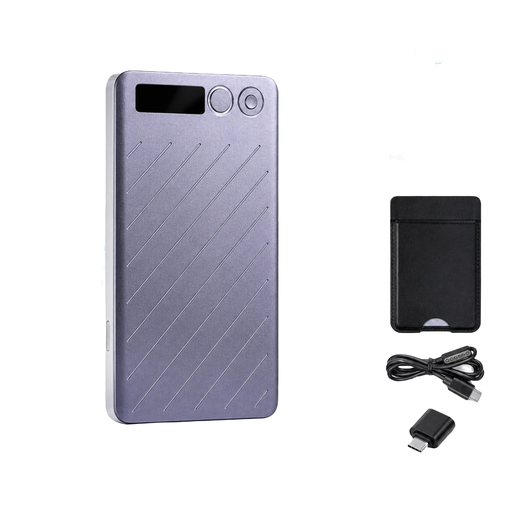
Digital voice recorder, 64 GB, with transcription function
An option for recording and storing spoken practice material.
The product name lists 64 GB of internal storage and a transcription function.
View at Joybuy
 No image available
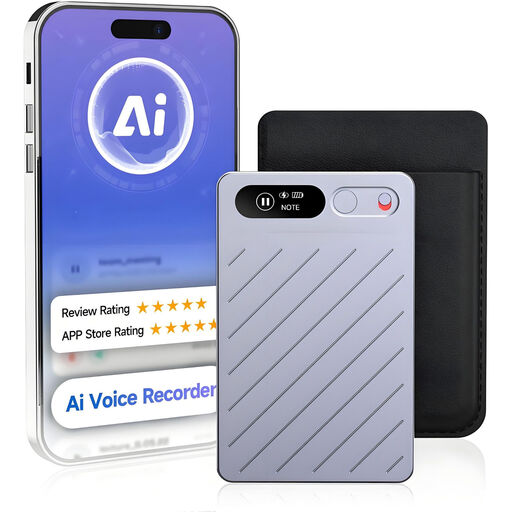
AI voice recorder, 64 GB, with transcription and summarisation
An option for anyone who wants to record spoken practice material and also use transcription and summarisation features.
The product name lists 64 GB, transcription and summarisation.
View at Joybuy
 No image available
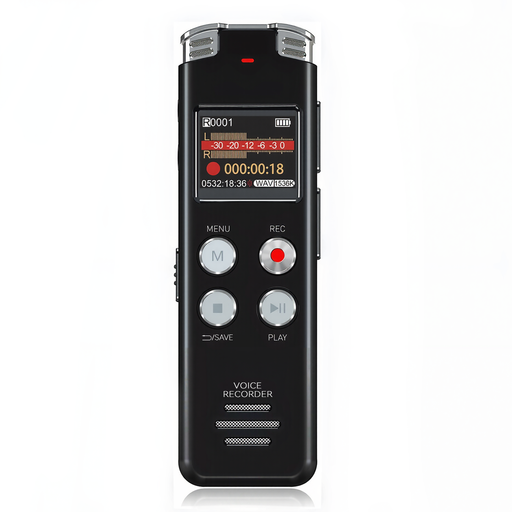
Rexsun L357, 128 GB, portable digital voice recorder
A portable recorder to compare if you want to record and store spoken practice material.
The product name lists 128 GB of storage.
Check that the repeat feature and file navigation you want are available on this version.
View at Joybuy
 No image available
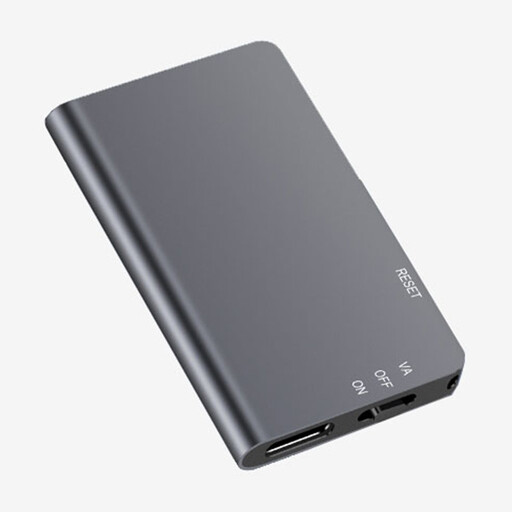
Rexsun L810, 64 GB, digital voice recorder
An option for recording spoken practice material and listening back straight away.
The product name lists 64 GB of storage and one-button recording.
View at Joybuy
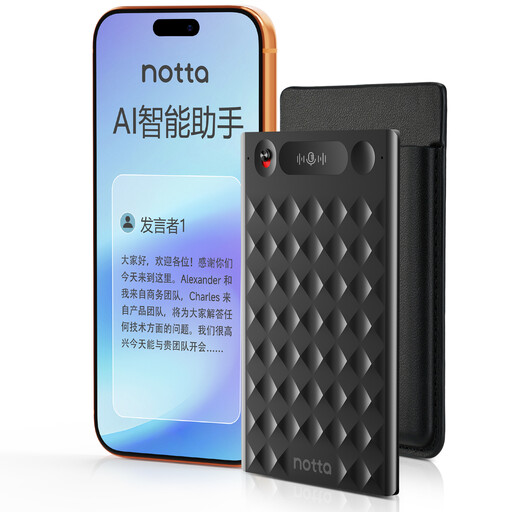 No image available
notta 32GB AI voice recorder with case, black
An option for recording and storing spoken practice material; check whether the AI features listed suit your needs.
The product name lists 32 GB of storage and a case.
View at Joybuy
Frequently asked questions
Should the microphone be as close as possible, directly in front of your mouth?
Not necessarily. A shorter distance can change the balance between your direct voice and room reverberation, but try the position in a short recording first. Also check for popping sounds; the best position depends on the microphone and the room.
Will I need a memory card straight away with a handheld recorder?
It depends on the model. Zoom specifies microSD for the H1essential, while Sony lists 4 GB for the ICD-UX570 and OM SYSTEM lists 8 GB of built-in storage for the WS-883. Check the storage on the exact version.
Can I connect any lapel microphone to any recorder?
No. Don’t assume a microphone is compatible just because there’s a connection. Zoom describes a lapel microphone connected to the H1essential’s MIC/LINE input; Tascam lists a stereo mini-jack input with plug-in power for the DR-05XP. Compare your microphone’s plug and power requirements with the specifications for the exact model.
What are my rights when buying online in the Netherlands?
According to the Dutch government, when you buy online from a business, you generally have a 14-day cooling-off period, subject to exceptions. The rules on distance selling described there don’t apply to online purchases from private individuals. Check who the seller is and what information applies to returns.
Can I record other people or share a recording publicly?
There isn’t a blanket yes or no for every audio recording or publication; consider recording and sharing separately. The Dutch Data Protection Authority describes a limited household exemption for video footage and the GDPR legal bases that apply when the exemption doesn’t. This information doesn’t automatically determine whether a particular audio recording is permitted.


