What should you consider when choosing?
Start with how you practise: decide whether you mainly want to repeat clips, record without a computer or use an external microphone.
| What to consider |
What to check before buying |
Who is this important for? |
| Clear speech in the room |
Can you position the microphone close to your voice? If possible, make a test recording in the spot where you plan to use it. |
If you want to assess pronunciation details in a reverberant room, focus on the recording position. Around 36% of consumers prioritise speech clarity. |
| Repeating clips |
Check whether the model has A-B repeat and adjustable playback speed. |
If you want to listen to a sound or short sentence repeatedly, dedicated playback features are useful. Around 29% of consumers prioritise being able to listen back repeatedly. |
| Recording independently |
Check where recordings are stored, what power supply is needed and how to transfer files. |
If you want to practise without a computer connected and keep your recordings, standalone use is important. Around 21% of consumers prioritise this. |
| Connecting a microphone |
Compare the recorder’s input with your microphone and check any power and cable requirements. |
If you plan to use a suitable external microphone later, check that the connection works with your setup. Around 14% of consumers particularly value expandability. |
Joybuy products
These Joybuy products are voice recorders for capturing spoken material; some product titles also mention transcription.
 No image available
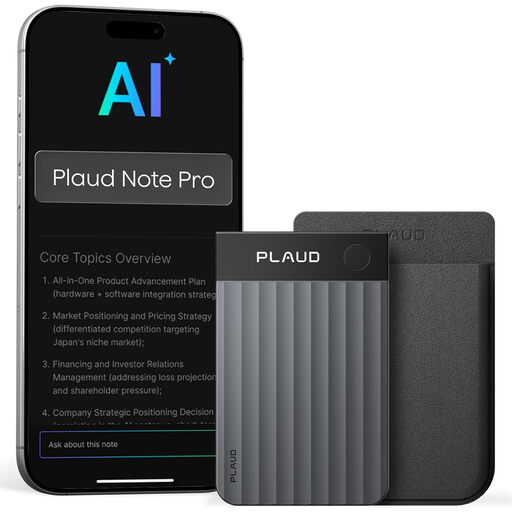
Plaud Note Pro AI Voice Recorder, Black
May suit you if you want to see your recorded practice speech as text too; the product information mentions recording and transcription.
Joybuy
 No image available
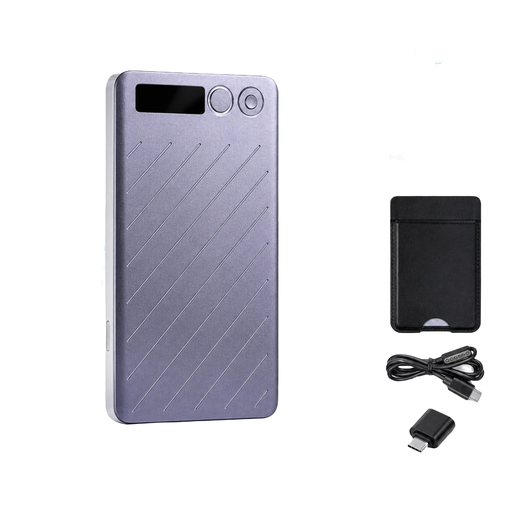
Digital voice recorder, 64 GB, with transcription function
May suit you if you want to record spoken practice material and use the advertised transcription function too.
The product title lists 64 GB of storage.
Joybuy
 No image available
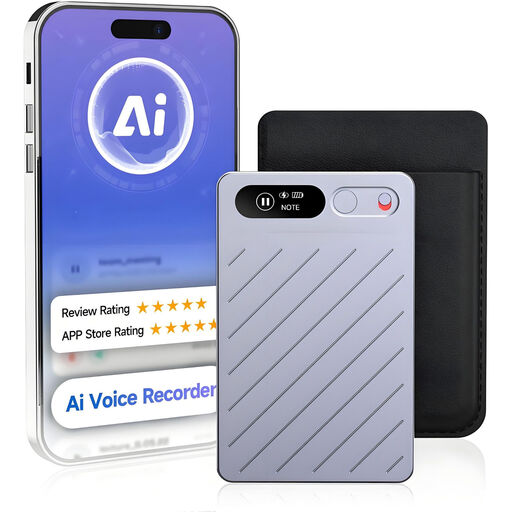
Mini voice recorder, 64 GB, with transcription and summaries in 118 languages
May suit you if you want to work with your recorded speech as text too; the product title mentions transcription and summaries.
The product title lists 64 GB and 118 languages.
Joybuy
 No image available
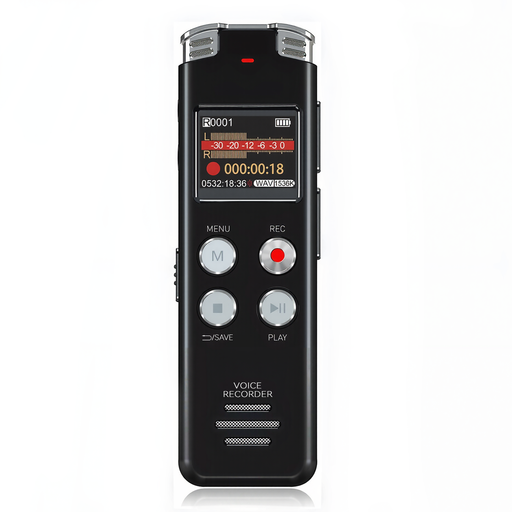
Rexsun L357 digital voice recorder, 128 GB
May suit you if you want to listen back to short sounds or sentences; the product information mentions A-B repeat.
The product title lists 128 GB. The product information also mentions USB-C file transfer.
Joybuy
 No image available
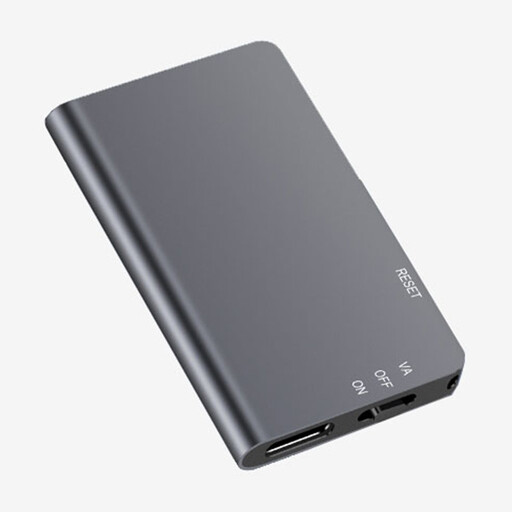
Rexsun L810 digital voice recorder, 64 GB
May suit you if you want to record exercises independently and listen back straight away; the product information mentions an included pair of headphones.
The product title lists 64 GB. The product information also mentions one-touch recording and USB-C file transfer.
Joybuy
Frequently asked questions
Does 32-bit float recording help with reverberation during pronunciation practice?
No. A recording format can’t remove reflections from sound the microphone has already recorded. Shure explains that direct speech can’t be effectively separated from reflections already present in the room, so try positioning the microphone suitably in the space.
What should I get ready before I start recording?
Check your recorder’s power supply and storage, position the microphone where you plan to practise, then listen back to a short test recording. The Zoom H1essential manual covers inserting and testing a microSD card; Philips lists built-in memory for the DVT4115.
How can I keep my recordings organised and easy to find?
Use a consistent naming system for your clips and make a copy before deleting recordings or formatting storage. If you often compare the same passage, A-B repeat may be useful; Sony lists this feature for the ICD-UX570 series.
What are my rights if a recorder I bought online isn’t suitable?
When you buy from a business at a distance in the Netherlands, you usually have a 14-day cooling-off period, although exceptions apply. You also have a statutory guarantee if a product doesn’t meet what you could reasonably expect under normal use; the seller is your point of contact. The Dutch Government explains the cooling-off period, while the Netherlands Authority for Consumers and Markets outlines the seller’s responsibility for the statutory guarantee.
Do I need a GDPR legal basis to make private recordings of my own pronunciation?
According to the Dutch Data Protection Authority, the GDPR doesn’t apply to processing carried out solely for personal or household purposes. If you record other people or use recordings outside that private context, consider the situation separately; the personal-use exemption doesn’t automatically apply.


