
Recording solo readings in a soft voice
If you read aloud softly and can control the distance from the recorder, microphone placement and room acoustics are important considerations. Shure explains why distance and placement matter.


Start with the recording location: move the microphone closer to the speaker and listen back to a test recording. A recorder cannot fix the reverberation of a room with poor acoustics; Shure stresses that microphone placement cannot improve room acoustics. A compact voice recorder is a good choice if built-in storage and straightforward playback are your priorities. A handheld recorder may offer more options for microphone placement and recording settings; with the latter, also check which memory card and power supply you need.
If you read aloud softly and can control the distance from the recorder, microphone placement and room acoustics are important considerations. Shure explains why distance and placement matter.
If you record in different places, compare the storage and power requirements of the model you’re considering. Sony lists built-in memory for the ICD-UX570 series, as does Philips for the VoiceTracer DVT4115; the Zoom H1essential requires a microSD card to be inserted.
If you want to listen back to recordings or edit them further, check the model’s recording formats and connections in advance. Sony, Philips, Zoom and Tascam list different recording and connection options for each model.
| Consideration | What to look for when buying | Who should give this more weight? |
|---|---|---|
| Keeping speech clear | Try the distance you plan to speak from and listen back to both the words and any reverberation. | If I read aloud softly, I want to hear my words clearly without the room overpowering them. Around 36% of consumers put the clarity of a soft voice first. |
| Recording in different places | Check the storage and power requirements, and whether any required media is included with the model you’ve chosen. | When I record in different locations, I want to know what I need to get started on my own. Around 29% of consumers give recording independently on the go their highest priority. |
| Listening back and editing | Compare the playback options and file formats, and check compatibility with the device you use for editing. | If I want to check or edit my reading later, I want to know in advance which files and connections fit the way I work. Around 21% of consumers choose playback and editing as their main consideration. |
| A complete setup to get started | Check what’s included in the box, as well as the memory card and power requirements for the exact model. | Before my first recording, I want to know whether I need to get a memory card or a suitable power supply. Around 14% of consumers make a simple, complete setup their top priority. |
A recording format doesn’t change the distance between the microphone and the speaker or fix poor room acoustics. Shure points out that a microphone cannot improve a room’s acoustics.
Make test recordings in the place you intend to use, trying different microphone positions. Listen back before comparing other recorder features.
Allow extra preparation time to try out different positions and recording locations.
You can’t record or play back on the Zoom H1essential without a microSD card inserted. Sony lists built-in memory for the ICD-UX570 series, and Philips does the same for the DVT4115.
Check the storage requirements and what’s included with the exact model you want to buy.
Copyright may apply when sharing a protected poem; a private copy for personal use cannot simply be distributed. A recognisable voice may also contain personal data. The Dutch government and the Dutch Data Protection Authority outline these separate considerations.
Before publishing, check who owns the rights and whether you’re allowed to share the reading. Also consider which privacy rules apply if someone is recognisable and the recording is used outside a private setting.
According to Sony, the ICD-UX570 series is a compact voice recorder with built-in memory and a choice of Linear PCM or MP3.
According to Philips, the VoiceTracer DVT4115 offers built-in storage and recording in PCM/WAV or MP3.
According to Zoom, the H1essential is a handheld recorder with X/Y microphones and an input for an external microphone.
According to Tascam, the DR-05XP has built-in omnidirectional stereo microphones and an input for an external microphone.
These product picks are intended for recording and listening back to spoken readings. Check which features and accessories each model offers and whether they suit the way you work.
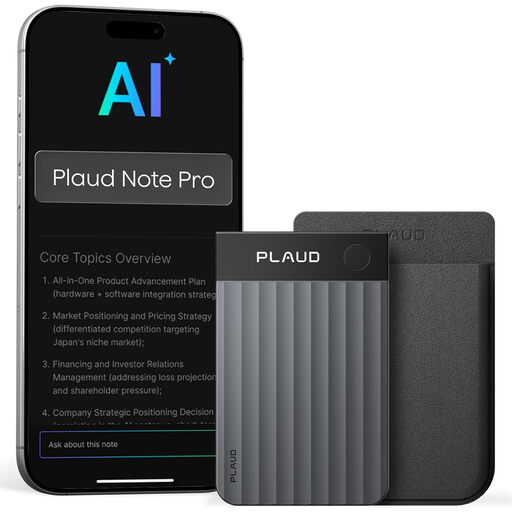 No image available
Worth considering if you want to record a spoken reading and are also interested in transcription and summaries; check whether these features suit the way you work.
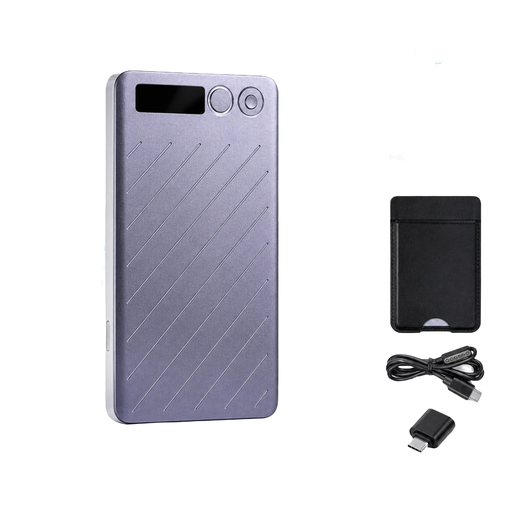 No image available
The product name describes a digital recorder with 64 GB of storage and a transcription function; check whether the listed features suit what you want to do with your recorded readings.
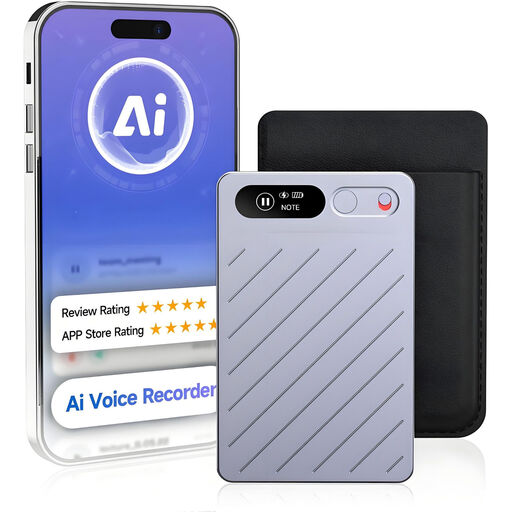 No image available
The product name mentions 64 GB, a mini recorder and transcription; see whether this combination suits your recording and editing needs.
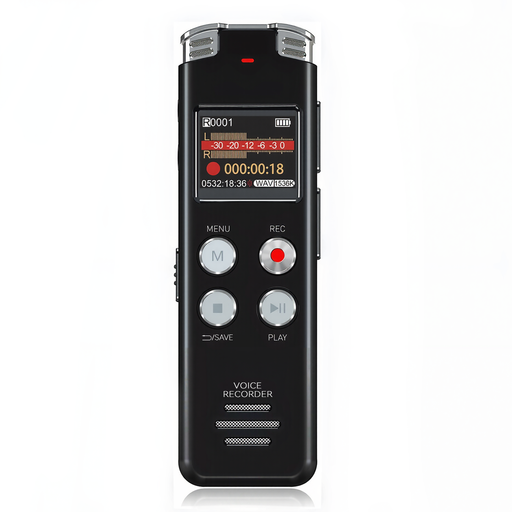 No image available
A digital recorder with 128 GB of storage, according to the product name; check whether the listed model and storage capacity suit the number of readings you want to keep.
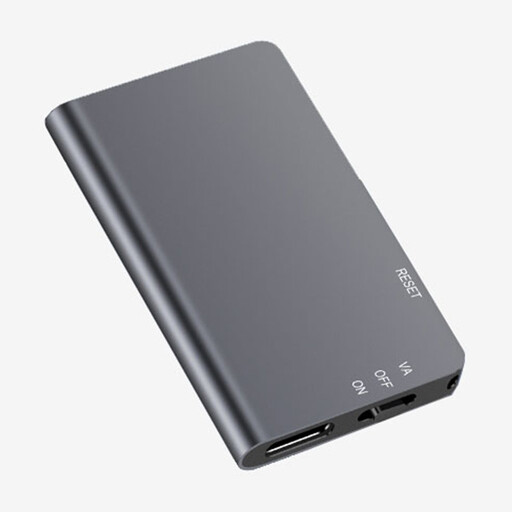 No image available
The product name lists 64 GB; consider this model if you’re looking for a digital recorder, and check whether the storage capacity suits your needs.
No, 32-bit float won’t automatically make a softly spoken reading clearer. Zoom and Tascam list this recording mode, but Shure stresses that a microphone can’t fix poor room acoustics. First, try different microphone positions and listen back to the quieter passages.
Check the storage and power requirements for the exact model. The Zoom H1essential needs a microSD card inserted for recording or playback; Philips lists built-in storage and a rechargeable battery for the DVT4115. Also check what’s included with the model you choose.
If you’re a consumer in the Netherlands, contact the seller. According to the Dutch government, you’re entitled to a product that is fit for purpose, and there is no fixed statutory warranty period; what you can reasonably expect from a product depends, among other things, on the product itself and the sales information.
Not automatically. You may need permission from the rights holder to distribute someone else’s protected poem; you can’t simply share a private copy made for personal use. If someone is recognisable in the recording, also consider which privacy rules apply when publishing it outside a private setting. The Dutch government and the Dutch Data Protection Authority outline these considerations.