
Reading poetry with a fan running
You want your words to remain clear while the fan is running, and you can adjust the microphone setup or the source of the noise.


Start by reducing fan noise at source and comparing microphone positions: a recorder cannot automatically compensate for poor room acoustics. Then choose a compact voice recorder if simple recording and playback are your priorities, or a portable audio recorder if you want more control over microphone placement and recording format. Features such as a low-cut filter or 32-bit float are not, on their own, proof that fan noise will disappear from your recording.
You want your words to remain clear while the fan is running, and you can adjust the microphone setup or the source of the noise.
You want to hear pauses, quieter passages and emphasis in playback, so you’re comparing recording formats and microphone setups.
You mainly use recordings to practise and value straightforward controls, storage and playback features.
First, assess the source of the noise and the microphone position. Shure notes that a microphone cannot improve the acoustics of the room it is in, so make test recordings with the fan set to its usual speed.
| What to consider | What should you check? | Who is this important to? |
|---|---|---|
| Clarity with the fan running | Make a test recording with the fan on and compare microphone positions; listen to see if quieter lines are still clear. | If the fan needs to stay on, I want the words to be clear and the setup to be adjustable. Around 36% of consumers rank clarity as their top buying priority. |
| Vocal nuances and sound | Compare the available recording formats and listen to quieter passages, pauses and emphasis. | When recording a poem, I want to hear how quieter lines, pauses and emphasis sound. Around 29% of consumers give preserving vocal nuances their highest priority. |
| Recording and playback | Check how to start a recording and whether you can easily find or replay clips. | When practising readings, I want to record quickly and play back a passage. Around 21% of consumers make ease of use during practice their top priority. |
| Storage and recording workflow | Check the storage options, power supply and connections you need for the way you save files. | For regular sessions, I want storage, power and file transfer to suit the way I work. Around 14% of consumers put their recording workflow first. |
A filter or noise reduction feature is no proof that fan noise will be removed from the original file. On the Sony ICD-UX570, Clear Voice is listed under playback and editing.
Compare test recordings made with the fan on and check whether a feature edits the recording itself or only affects playback.
Zoom and Tascam describe 32-bit float recording as a feature for recording levels and dynamic range, not as proof that fan noise is acoustically isolated.
Choose this feature only if it suits your recording workflow, and assess fan noise separately with a test setup.
Storage options and external connections vary by model; depending on your choice and setup, you may need to buy a memory card or external microphone separately.
Check the connections and what’s included with the exact model before you decide.
A separate memory card or external microphone may mean extra preparation and accessories for your setup.
The H1essential is worth considering if you want to compare built-in microphones, recording formats and the option to connect an external microphone.
The DR-05XP is a portable recorder worth comparing if you’re looking for built-in stereo microphones and a connection for an external microphone.
The ICD-UX570 is a compact voice recorder to consider if straightforward storage and playback features are important to you.
The LS-P5 is worth considering if you want to compare different directions and setups for built-in microphones.
The DVT4115 is an alternative to compare if internal storage and remote control suit your recording workflow.
These Joybuy products are designed for recording and playing back speech. Check which features and accessories suit your reading and recording setup for each model.
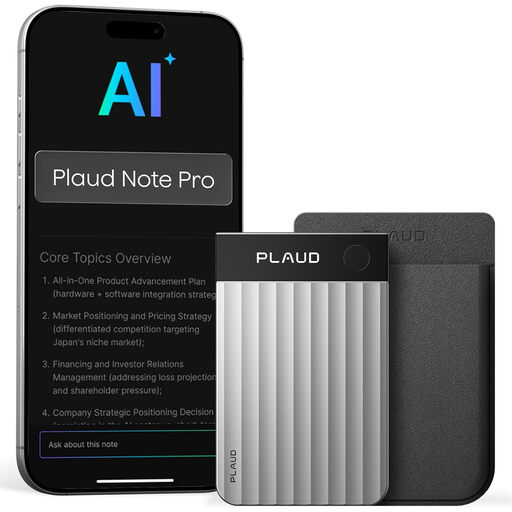 Image unavailable
Suited to anyone who wants to record a reading on location and have it transcribed or summarised afterwards.
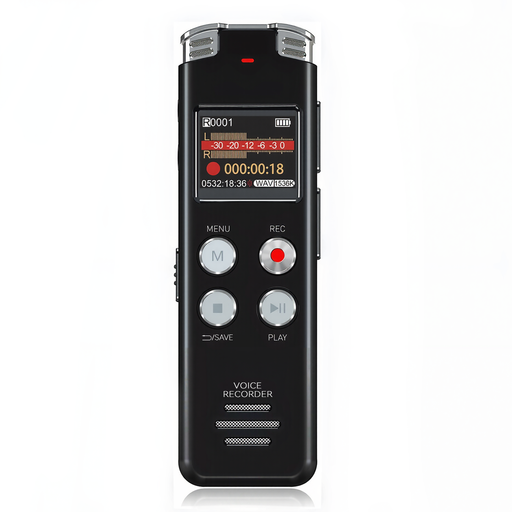 Image unavailable
Suited to anyone who wants to record a reading and save the files to a computer or smartphone later.
128 GB of storage.
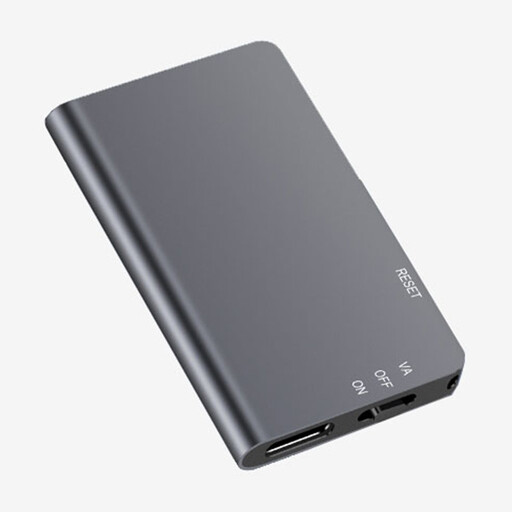 Image unavailable
Suited to anyone who wants to start recording a reading easily and play it back straight away.
64 GB of storage and one-touch recording.
 Image unavailable
Suited to anyone who wants to record readings indoors and is looking for a recorder that comes with a case.
32 GB of storage.
A noise filter can help with certain types of unwanted sound, but assess the result with a test recording. Shure explains that a microphone cannot compensate for poor room acoustics, so try reducing the noise at source or positioning the microphone more favourably in relation to the speaker. A low-cut feature doesn’t guarantee that all fan noise will disappear.
Check the power supply and storage on the exact model, record a few lines with the fan at its usual speed, then listen back. The recorders listed differ in their internal storage and memory card options, so don’t assume every model needs the same accessories.
In the Netherlands, if a product doesn’t do what you could reasonably expect during normal use, the seller must provide an appropriate solution; ACM ConsuWijzer explains this statutory guarantee. Online purchases generally come with a cooling-off period of up to 14 days after delivery, subject to exceptions. This is separate from getting a faulty product fixed or replaced.
A recording for personal use is not the same as publishing it publicly. The Dutch Government states that copyright-protected texts by others may not be distributed or made public without permission; rights relating to the performer may also apply to a reading. Before publishing, check who holds the rights to the text and performance.
This depends in part on what you do with the recording and whether the other person can be identified. The Dutch Data Protection Authority states that processing personal data covered by the GDPR requires a lawful basis; consent is one possible basis, but not automatically the only one. Before sharing or publishing, check which rules apply to your situation.