
Speaker practising in a noisy space
Wants to assess their pronunciation while other voices or reverberation are present. Microphone placement is therefore important; Shure explains how distance and room acoustics affect a recording.


Start with the distance between the microphone and your voice. In a shared or echoey space, a microphone close to your mouth will usually help you hear your own articulation more clearly. Shure notes that a microphone cannot effectively separate wanted speech from reverberation. Choose a lapel microphone if you practise while walking, a voice recorder with search and playback features for short passages, or a handheld recorder if you also want to assess how your presentation sounds in the room. Before buying, check the storage, power requirements and features of the exact model.
Wants to assess their pronunciation while other voices or reverberation are present. Microphone placement is therefore important; Shure explains how distance and room acoustics affect a recording.
Practises their script while moving around the space and benefits from a microphone that moves with them. Tascam describes the DR-10L Pro’s clip-on setup.
Records short passages and wants to find and replay them easily. OM SYSTEM and Zoom describe models with features for searching recordings or playing them back.
First, choose a microphone setup that suits your practice space and speaking style. Then compare the playback features and check how storage and file transfer work.
| What to consider | What should you check? | Who benefits most? |
|---|---|---|
| Speech clarity | Check whether a suitable lapel microphone is included or whether there is a compatible external microphone input. Try the microphone placement in your practice space. | If I want to assess my pronunciation in an echoey space, I place the microphone close to my voice. Around 36% of consumers put speech clarity at the top of their buying priorities. |
| Listening back and repeating | Check for features such as repeat, playback speed, markers or searching by date on the exact model. | When practising short passages, I want to find and repeat a clip quickly without having to play the whole recording each time. Around 29% of consumers prioritise targeted playback and repetition. |
| Practising while walking | Check what comes with the recorder and test the microphone attachment with the clothes you usually wear and the movements you make. | When I practise my museum script while walking, I want the microphone to move with me. Around 21% of consumers put freedom of movement at the top of their buying priorities. |
| Recording independently | Check the internal memory or required memory card, power requirements, headphone socket and file transfer options. | Before a practice session, I want to know whether I can record and listen back straight away, without being caught out by storage or file transfer. Around 14% of consumers prioritise being able to use a recorder independently. |
A recording format or post-production feature does not eliminate the effects of microphone distance and room acoustics. Other voices and reverberation may still be audible.
First, choose a microphone position that suits your practice space, then compare test recordings made there.
According to the manual, the Zoom H1essential cannot record or play back without a microSD card inserted.
Before your first rehearsal, check that the model comes with a suitable card and that the recorder works with it.
A recognisable voice in an audio recording may contain personal data. A recording for your own use and sharing one on behalf of an organisation are not necessarily the same thing.
Discuss the purpose, recording and any sharing with the museum and the people involved beforehand, and keep the recording to what is necessary.
Tascam offers both a standalone recorder with a lapel microphone and handheld recorders with built-in stereo microphones.
The WS-883 is designed for compact voice recordings and listening back to them.
The H1essential is a handheld recorder with built-in XY microphones and an input for a separate lapel microphone.
The DVT4115 is a standalone option for voice recordings, with internal memory and MP3 or PCM files.
The Joybuy options below are portable voice-recording devices. For each model, check that the microphone setup, storage and playback features suit practising in a shared museum space.
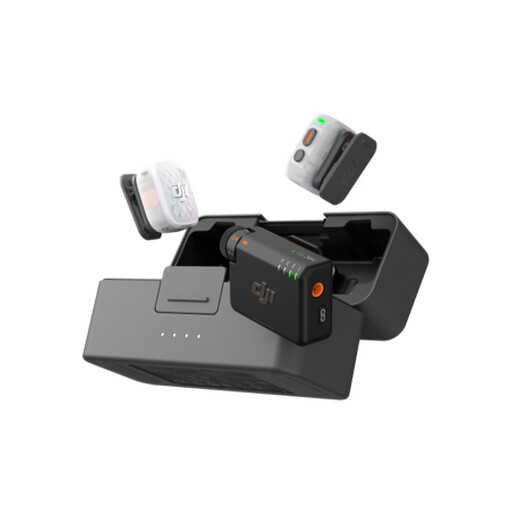 Image unavailable
The product description mentions internal recording and a microphone that can be attached with a clip or magnet. Check whether this setup suits the way you practise.
The description lists 32-bit float recording, internal storage and noise reduction. These are product claims, not an independent assessment of speech clarity in your space.
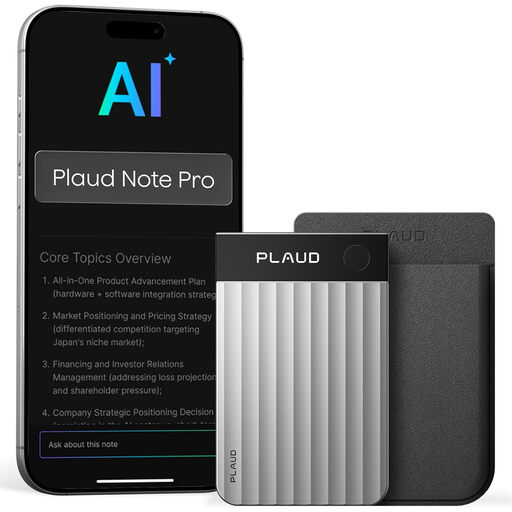 Image unavailable
The product description mentions recording, transcription and summaries. Check whether you mainly want to listen back to a recording or also have spoken content converted into text.
The product information lists 32 GB of built-in storage and transcription and summary features.
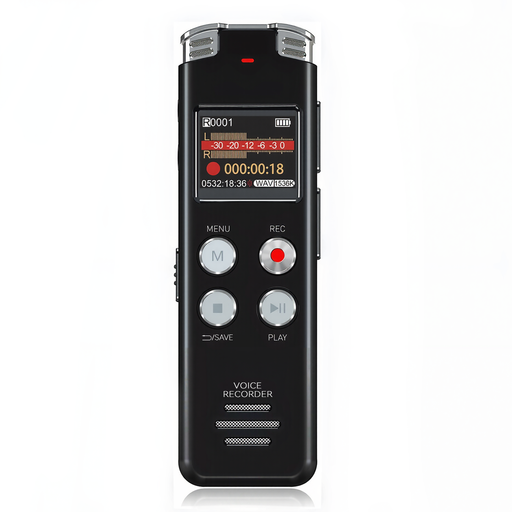 Image unavailable
The product information lists A-B repeat and time-stamped files, which may be useful for replaying and finding practice clips.
The title lists 128 GB. The product information mentions MP3 and WAV recording and playback features.
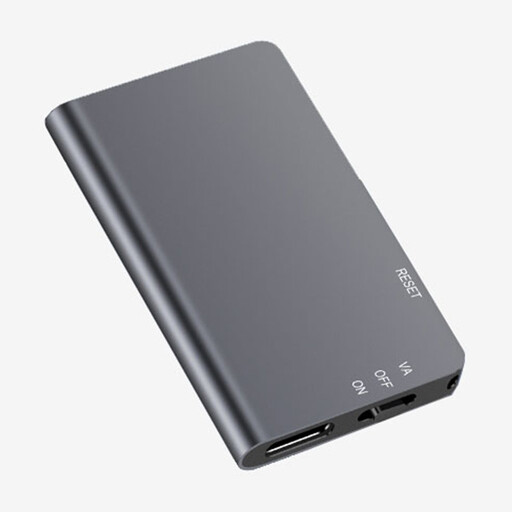 Image unavailable
The product information mentions one-touch recording and playback through the supplied headphones. Check whether these controls suit your practice routine.
The title lists 64 GB. The product information mentions voice-activated recording, WAV recording and transfer to Windows, Mac and Android.
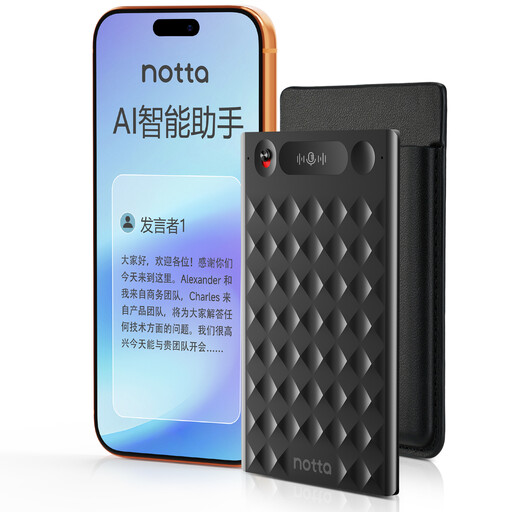 Image unavailable
The product information mentions one-touch recording and transcription features. Check whether these suit the way you want to listen back to or process your rehearsal.
The description lists 32 GB of storage, a 30-hour recording time and transcription and summary features.
Place the microphone closer to your voice and listen to a test recording in the place where you practise. Shure explains that a microphone cannot remove reverberation from a room; a filter or 32-bit float recording is no substitute for suitable microphone placement.
Only if a suitable microSD card is inserted and the recorder has power. According to the manual, the H1essential cannot record or play back without a card. Also check what is included with the exact model.
In the Netherlands, the seller is responsible for the statutory guarantee owed to a consumer. ACM ConsuWijzer explains that, under the applicable conditions, the seller must put a faulty product right free of charge, for example through repair or replacement and sometimes a refund. A limited manufacturer’s warranty does not take away this right.
It depends on who is recording, the purpose, whether others can be recognised and the venue’s rules. The Dutch Data Protection Authority notes that a recognisable voice in an audio recording may be personal data. Agree in advance with the museum and the people involved on whether to record and whether to share the recording.