
Soft-spoken narrator
Wants to record recipe steps clearly and can adjust the recording location or microphone position. Zoom and Recording Magazine emphasise the importance of microphone placement and room acoustics.


Choose a compact voice recorder for short recipe scripts and straightforward operation. If you want to position the microphone further from the recorder or capture cooking sounds too, choose a handheld recorder with a microphone input. Zoom and Tascam describe features such as 32-bit float, but these won’t automatically stop kitchen noise from drowning out a soft voice. Make a test recording in your intended spot and check the storage, connections and accessories you’ll need.
Wants to record recipe steps clearly and can adjust the recording location or microphone position. Zoom and Recording Magazine emphasise the importance of microphone placement and room acoustics.
Wants to record, review and transfer short voice-overs without a complicated setup. The Sony and Philips models described offer features for simple voice recording.
Wants to record spoken instructions and possibly cooking sounds, then edit the files later. Zoom and Tascam describe handheld recorders with a range of recording options and connections.
Start by making a test recording where you plan to read your recipe script. Then choose between a simple recorder and extra flexibility for microphone placement or editing.
| Buying concern | What should you check? | Who is this most important for? |
|---|---|---|
| Clarity alongside kitchen noise | Make a test recording using your usual speaking voice with kitchen appliances running. Check whether an external microphone is compatible and receives the correct power. | If I speak softly, I want to be able to hear my script over the kitchen noise. Around 36% of consumers put clarity first. |
| Quick recording and playback | Check the controls, whether you can play back recordings and how to transfer files. | For short recipe steps, I want to be able to start straight away and hear immediately whether I need to record a line again. Around 29% of consumers prioritise easy recording and playback. |
| Editing voice-overs and cooking sounds | Check the mono or stereo options, your preferred file format and the connection for an optional external microphone. | If I want to edit my voice-over and cooking sounds later, I want to know in advance which recording options suit the way I work. Around 21% of consumers prioritise editing and recording flexibility. |
| Storage and power when recording away from home | Check whether the model uses internal storage or a memory card, whether a card is included and what power source it needs. | When I record in different places, I don’t want to find out I’ve forgotten a card or power supply. Around 14% of consumers prioritise self-contained, portable use. |
Zoom and Tascam describe 32-bit-float recording, but this feature isn’t a solution for background noise. Zoom also warns that placing the recorder directly on a table can reduce clarity.
First, make a short test recording using your softest speaking voice with the appliances you use while cooking switched on. If necessary, change the location or microphone position, then listen again.
Finding another place to record or making several test recordings takes extra time.
The Zoom H1essential uses a microSD card, while Sony says the Sony ICD-UX570 has 4 GB of built-in memory.
Check the storage on the exact model and what’s included with that version before you start recording.
The H1essential may need a compatible memory card.
A 3.5mm input or plug-in power capability doesn’t mean every microphone or adapter will work with every model.
For the recorder and microphone you’re considering, compare the connector, microphone type and power requirements.
An incompatible microphone or adapter may mean you need a different accessory.
The H1essential is a handheld recorder with built-in stereo microphones and an input for a compatible external microphone.
The DR-05XP is a handheld recorder with built-in omnidirectional microphones and an input for compatible external microphones.
The ICD-UX570 is a compact option for short voice recordings when built-in storage and fewer separate accessories are important.
The DVT4115 is a voice recorder option with built-in storage and remote control via a smartphone app.
These product picks are compact voice recorders for anyone who wants to record recipe voice-overs and listen back to or edit them later.
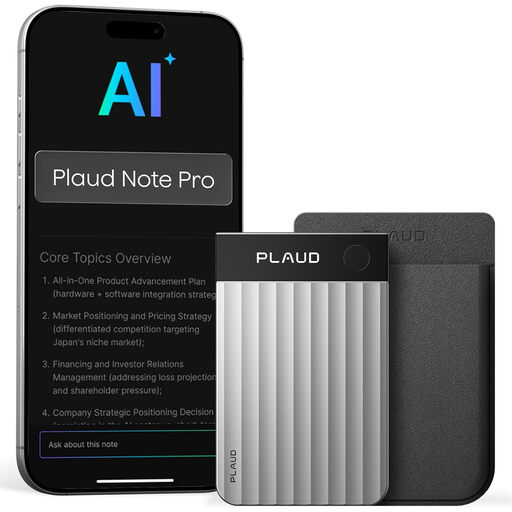 No image available
Suited to anyone who wants to record a recipe script and edit it later.
The product name mentions AI notes and summaries; this version is Silver.
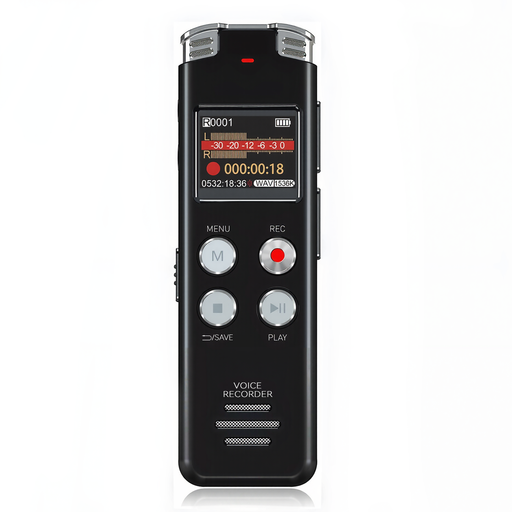 No image available
Worth considering if you want to start recording short voice-overs straight away and listen back later.
The product name mentions 128GB of storage and an LCD screen.
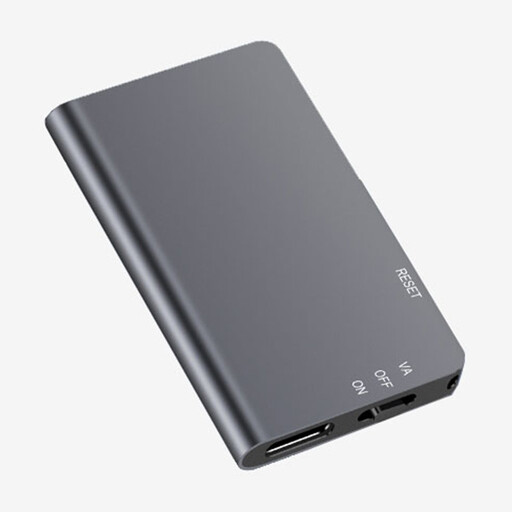 No image available
Suited to anyone who wants to record and play back short recipe voice-overs with straightforward controls.
The product name mentions 64GB of storage and one-touch recording.
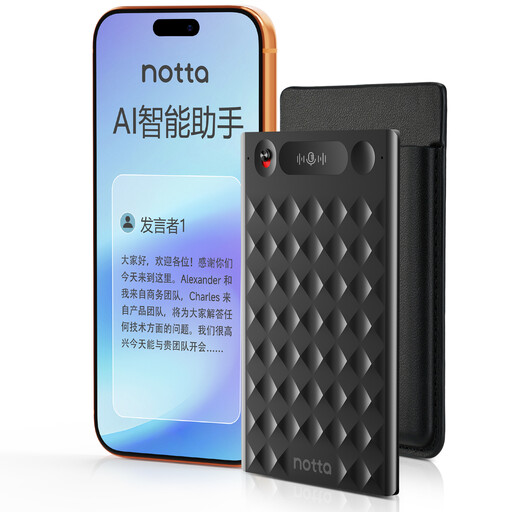 No image available
Worth considering if you want to record a recipe and edit the files later using an app.
The product name mentions 32GB of storage. Before buying, check that the app works with your phone and suits the way you work.
No, this recording mode doesn’t remove background noise. Zoom and Tascam describe it as a recording option. Test the kitchen noise separately with a sample recording, and adjust the recording location or microphone position if needed.
It depends on the model. The Zoom H1essential uses a compatible microSD card. Also check the power requirements and listen back to a short test recording before reading your full recipe script.
According to ACM ConsuWijzer, products bought online generally come with a statutory 14-day cooling-off period after delivery, subject to exceptions. You’re also covered by the statutory guarantee if a product doesn’t perform as you could reasonably expect with normal use. A manufacturer’s guarantee doesn’t replace these statutory rights.
A recognisable voice recording may count as personal data. The Dutch Data Protection Authority says that, in most cases, you need permission to publish other people’s personal data publicly; personal or household use may be treated differently. Before publishing, check what permission or other applicable legal basis you need in your situation.