What should you look for?
Start with a test recording from both seats, then decide whether archiving, long recording times or simple operation matters most for your interviews.
| What to consider |
What should you look for? |
Who is this most important for? |
| Recording two clear voices |
Make a test recording from both seats and listen back. If you’re using two microphones, check the number and type of inputs. |
If I want both the interviewer and storyteller to be easy to hear, I’ll test the microphone placement first. Around 36% of consumers put clear audio for both voices first. |
| Keeping a usable archive file |
Check that the recorder supports your preferred recording format, that there’s enough free storage and that you know how to keep the original file. |
If I want to preserve or reuse the interview later, I’ll consider the source file and archiving workflow. Around 29% of consumers prioritise keeping an original, usable file. |
| Recording a long session without interruption |
Check the available recording time in your chosen format and what power options you have during the conversation. |
For a long conversation, I want to know in advance that storage and power will be sufficient, so I don’t have to interrupt the recording. This is the top priority for around 21% of consumers. |
| Simple operation |
Try starting and stopping a recording, monitoring audio and transferring files before the interview begins. |
If I want to focus on the storyteller, I’ll look for a recorder that’s easy to use without lots of steps. Simplicity comes first for around 14% of consumers. |
Joybuy product picks
These portable recorders are designed for interviews. For each model, check that its recording features, controls and workflow meet your requirements for clear audio and archiving.
 No image available
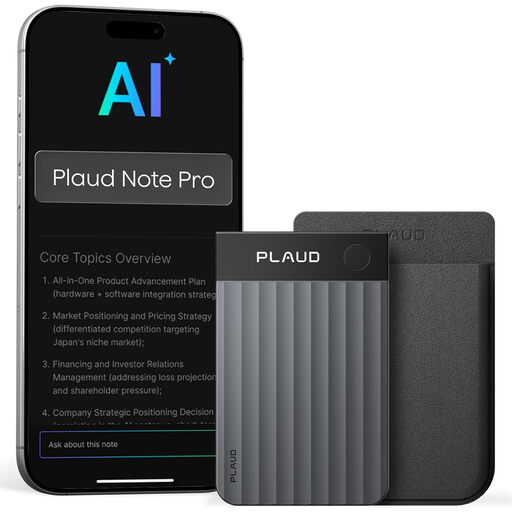
Plaud Note Pro AI Voice Recorder (Black)
The product title mentions audio recording, transcription and summaries. Check that these features suit the way you want to process interviews.
Joybuy
 No image available
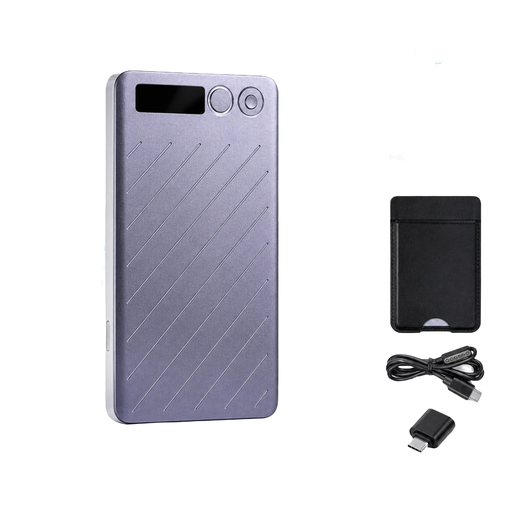
Digital Voice Recorder 64 GB with Transcription Function
The product title mentions 64 GB of storage and a transcription function. Before buying, check that its recording and transfer options suit your archiving workflow.
Joybuy
 No image available
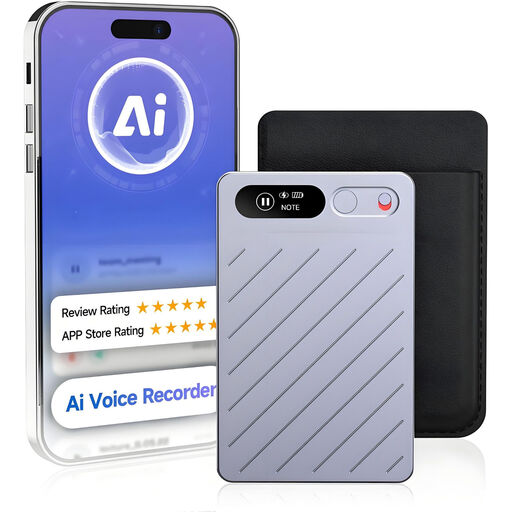
AI Dictation Device 64 GB Mini Voice Recorder
The product title mentions transcription and summaries in 118 languages. Consider whether you need these features in addition to interview recording.
Joybuy
 No image available
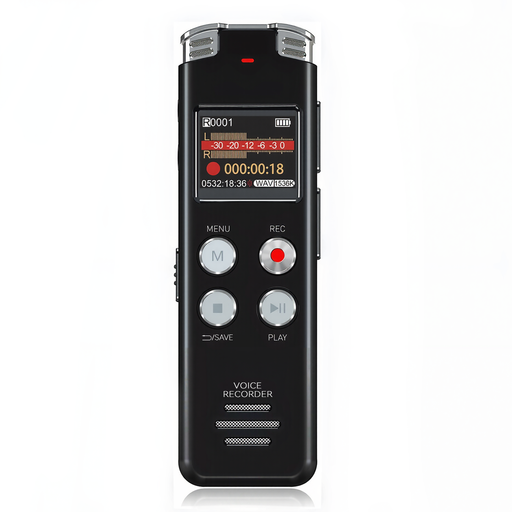
Rexsun 128GB Portable Digital Voice Recorder, L357
This version is offered with 128 GB of storage. Check that its recording format and file transfer options suit the way you want to keep your interview files.
Joybuy
 No image available
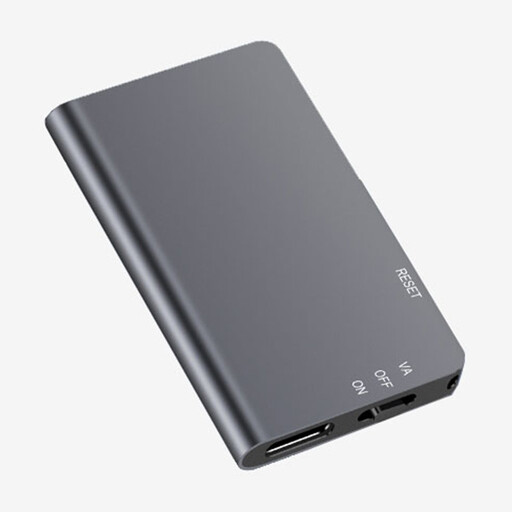
Rexsun 64GB Digital Voice Recorder, One-Touch, L810
The product title mentions 64 GB of storage and one-touch operation. Check that your chosen recording settings leave enough space for the planned session.
Joybuy
Frequently asked questions
Should I use headphones in the booth?
Listening back to a short test recording through headphones can help you spot interference or background noise. Sprekende Geschiedenis recommends doing this and stresses that you should check both voices, not just the storyteller’s.
Do all interviews have to be recorded in WAV?
Sprekende Geschiedenis’s oral history guidance emphasises keeping the original source file in the highest quality available. Ask the archive receiving the recording about its requirements, and check that your chosen format suits its workflow.
How can I stop recordings being lost during maintenance or a reset?
Transfer recordings to a suitable storage location and check the copy before deleting files or resetting a device. The Philips manual warns that a factory reset deletes data and recommends making a backup.
What can I do if my new recorder develops a fault too soon?
If a product is used normally but doesn’t do what you could reasonably expect, you may be covered by your legal guarantee. ACM ConsuWijzer explains that the seller is then responsible for providing an appropriate solution free of charge. There isn’t one fixed legal guarantee period that applies to every recorder.
Can I record, keep and publish an identifiable history interview?
If the processing of personal data falls under the GDPR, you need a valid legal basis. Consent is one possible basis, but it isn’t automatically the only one. The Dutch Data Protection Authority stresses that the appropriate legal basis and retention period depend on the circumstances. Explain the purpose, access arrangements, retention period and any plans to publish in advance, and assess recording, archiving and publication separately.


