
Speaker in a shared room
You mainly want to hear your own pronunciation clearly when other people or background noise may also be present. Assess the recording from the speaking distance you’ll actually use.


For short pronunciation practice on your own, a simple voice recorder is a good choice if you mainly want to record and listen back with ease. A handheld recorder is more suitable if you also want to use a practice partner or an external microphone. Neither setup guarantees that your voice will stand out over other voices or room noise: make a test recording from your usual speaking distance, and agree how to handle recording with everyone taking part in a conversation practice session.
You mainly want to hear your own pronunciation clearly when other people or background noise may also be present. Assess the recording from the speaking distance you’ll actually use.
You record short sentences and want to replay clips or adjust the playback speed to compare them with your own pronunciation.
You record a conversation practice session with someone else and want to transfer the file. Think separately about which identifiable voices you want to record and who you’ll share the file with.
Consider your short pronunciation clips, a practice conversation and file sharing separately. This will help you focus on the most important checks for the way you practise.
| Buying concern | What should you check? | Which consumers? |
|---|---|---|
| Recording your own voice clearly | Make a test recording from your usual speaking distance. Check whether you need an input for an external microphone for your setup. | If I want to assess my pronunciation in a shared room, I want to hear how other voices and room noise affect the recording. Around 36% of consumers prioritise clarity. |
| Listening back to short clips | Check whether the exact model offers clip repeat, adjustable playback speed or a language-learning function. | If I want to imitate short sentences, I want to be able to replay a clip quickly. Around 29% of consumers give repeated listening top priority. |
| Storing and transferring recordings | Check the storage, recording format and connection or app you need to transfer files. | If I want to save practice clips and listen to them later on another device, I want to be able to find files easily. Around 21% of consumers prioritise file management. |
| Control over identifiable voices | Decide whether you want to store files locally or need an app or upload function. Agree how to handle recording with everyone taking part in a conversation practice session, and check for bystanders in a test recording. | If I’m recording in a shared space, I want to choose carefully which voices are captured and where the file ends up. Around 14% of consumers consider control over recordings their main buying concern. |
A recording mode that helps manage levels is no guarantee that other voices or the sound of the room will be removed from the recording.
Compare the microphone setup and listen back to a test recording made in your own space before letting a recording mode be the deciding factor.
Controlling the recorder from a phone, sharing files and uploading to a transcription service are separate functions and choices. A recording containing identifiable voices may also capture bystanders.
Check which functions you actually need and decide carefully who should have access to each file.
The models listed differ in their storage and connection options. You may need to buy a memory card or external microphone separately.
Check what’s in the box, the storage you need and the connections on the exact version before choosing accessories.
Bear in mind that you may need to buy a suitable memory card or external microphone separately for your setup.
The features below are specific to the models listed by their manufacturers. Check the exact version and assess the recording in your own space.
The WS-883 is a compact voice recorder with playback and language-learning features.
The ICD-UX570 series is worth considering if clip repeat and adjustable playback speed are important to you.
The H1essential is a handheld recorder with built-in microphones and the option to connect an external microphone.
The DR-05XP has built-in stereo microphones and an input for an external microphone.
The VoiceTracer DVT4115 is worth considering if you also want to control or share files using a phone.
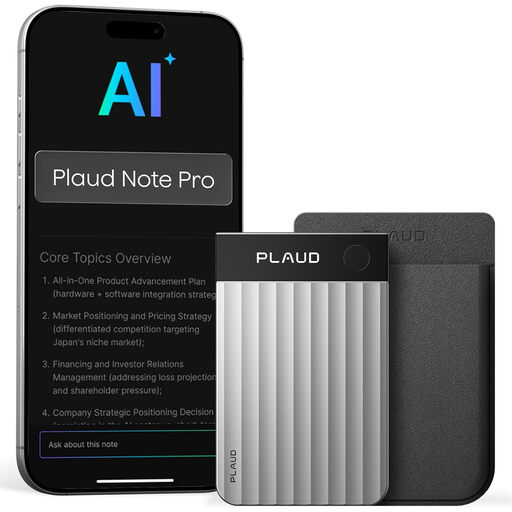
These Joybuy products are digital voice recorders that could suit speaking practice. Their product names mention a range of storage and text features; check that they suit your way of practising and that Dutch is supported if you want to use transcription.
 No image available
The product name mentions AI notes and summaries; check whether these features support Dutch before relying on them.
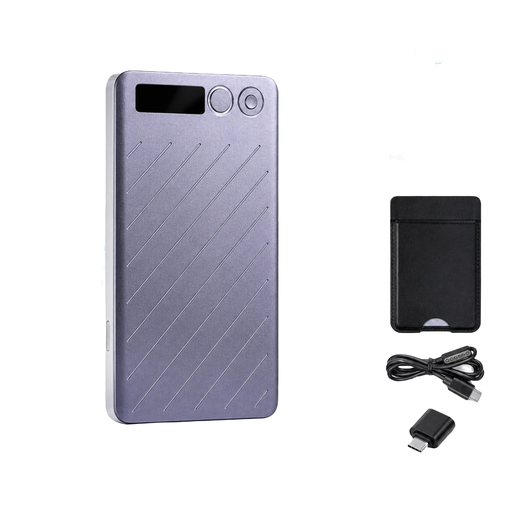 No image available
The product name mentions 64 GB of storage and a transcription function; check which languages are supported if you want to process Dutch practice recordings.
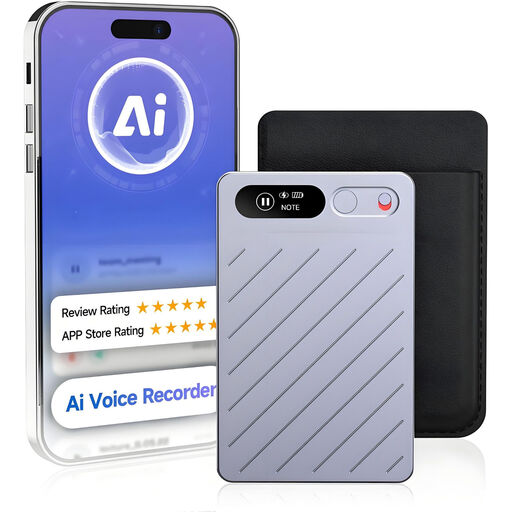 No image available
The product name mentions 64 GB and transcription in 118 languages; check whether Dutch is among the supported languages before relying on this feature.
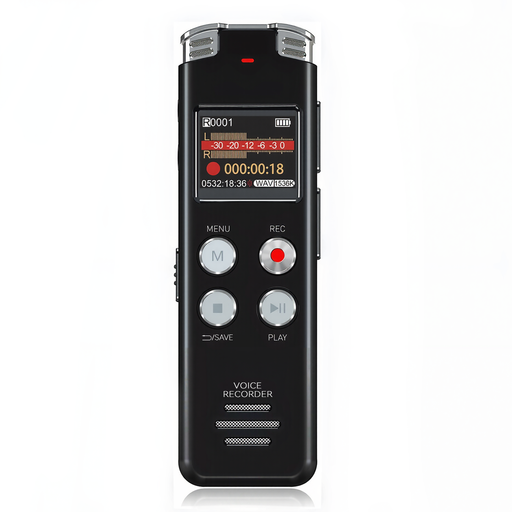 No image available
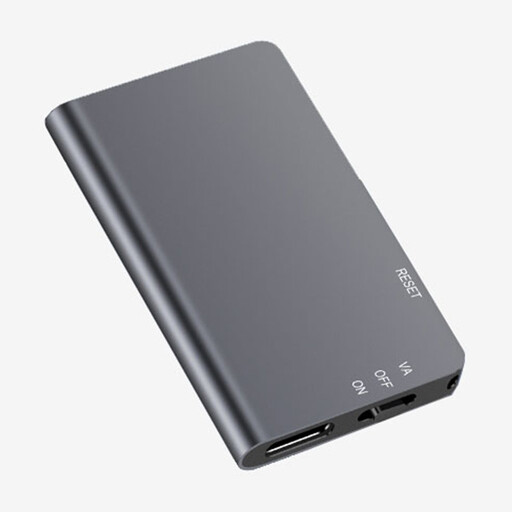
The product name lists 128 GB, an LCD screen and model L357; check which playback features and file-transfer options suit the way you practise.
 No image available
The product name lists 64 GB and one-touch recording; check whether the controls and playback options suit your short practice sessions.
Not necessarily. First decide whether you want to hear only yourself or a practice partner too, then test the microphone setup in your shared space. The models listed offer different recording formats and connections, but those specifications don’t tell you how clear a recording will sound in your space.
Start with a short test clip, play it back and check whether you can make out your own words. Then find out how to locate and transfer files on the model you’ve chosen: OM SYSTEM lists direct USB transfer for the WS-883, while Sony lists A-B repeat for the ICD-UX570 series.
According to the Dutch Data Protection Authority, a sound recording in which someone is identifiable may contain personal data. Agree how to handle recording with everyone taking part in a conversation practice session, and treat recording, sharing and uploading as separate choices.