
Vandaag of morgen in huis

Kwaliteit gegarandeerd

Welkomstaanbiedingen ontgrendelen: GRATIS bezorging | Tot 80% korting | Gratis 30 dagen JoyPlus-proefperiode
Download de app
Creating a good video isn’t just about having a high resolution. If you’re looking for a vlogging camera and smartphone gimbal, you’ll probably compare 4K, zoom, AI tracking and battery life. But it’s often the less obvious details that determine whether a device is enjoyable to use every day.
A common mistake is to choose based solely on the number of megapixels or the highest video setting. High-resolution footage needs plenty of storage, a fast memory card and a computer or phone that can handle the files. Digital zoom can also deliver less detail than genuine optical zoom.
Stabilisation is sometimes presented as a single, general feature. But 3-axis image stabilisation in a smartphone gimbal works differently from the electronic stabilisation in an action camera. And AI tracking isn’t supported in the same way by every phone, app or camera. So always check compatibility with your iPhone, Android phone and favourite platforms.
A 4K vlogging camera can capture more detail than a Full HD camera, but image quality also depends on the sensor, lens and lighting conditions. According to the product specifications, a larger sensor may offer more scope for capturing detail and handling light, but results depend on the settings and surroundings.
Look out for the following:
A compact video camera with a tilting screen or simple controls may be more practical than a model with lots of settings you rarely use.
A smartphone gimbal uses motors to balance your phone. This helps capture smoother footage when walking or turning. With 3-axis image stabilisation, pay particular attention to the maximum phone weight, the mounting system and how the gimbal powers on.
Also check:
A smartphone gimbal for iPhone and Android won’t necessarily work equally well with both systems. Features such as native tracking, gesture control or remote control can vary depending on the phone model and app.
Viewers often notice poor sound more quickly than a slight difference in image quality. A wireless microphone for vlogging is therefore a useful addition for interviews, street videos and vlogs filmed on location.
Consider these practical points:
Only use an action camera in wet conditions if the manufacturer specifies a suitable level of water resistance. Also check that the covers and card slots are properly closed. According to the safety information from the manufacturers mentioned, equipment used in salt water should be rinsed with fresh water afterwards where this applies to the model.

Why it suits this profile: A camera for YouTube with WiFi, 4K video and optical zoom could suit beginners who would rather use a separate camera than a phone.
The product listing mentions optical zoom. When buying, be sure to check the included accessories, storage and actual recording settings.
According to the product information: 12× optical zoom, 4K video, WiFi and a stated 64 MP photo mode.
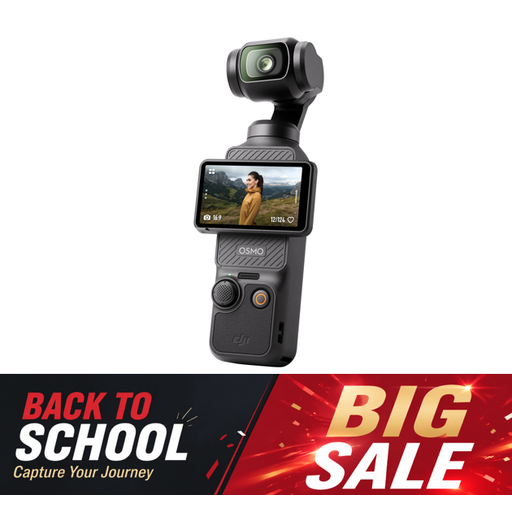
Why it suits this profile: This compact camera is designed for vloggers looking for a larger sensor, a rotating screen and mechanical stabilisation in a portable format.
3-axis mechanical stabilisation reduces the need for digital correction. Be sure to check storage and accessory compatibility.
According to the manufacturer: a 1-inch CMOS sensor, 4K/120fps video, a 2-inch rotating touchscreen and ActiveTrack 6.0.
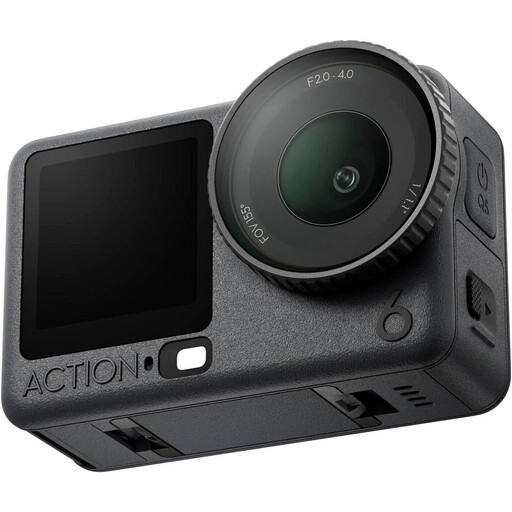
Why it suits this profile: For travellers, sports enthusiasts and content creators who need an action camera for movement, changing conditions and outdoor filming.
The stated variable aperture setting and cold-resistant construction are more relevant for outdoor use than a high resolution alone.
According to the manufacturer: up to 8K video, a 1/1.1-inch square sensor, up to four hours of use and support for two DJI microphone transmitters.
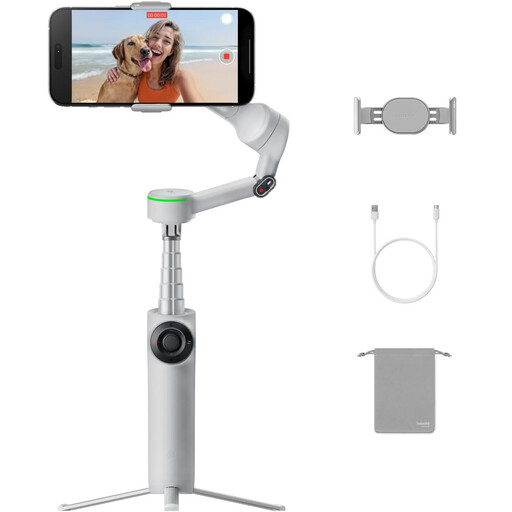
Why it suits this profile: A handy choice for creators who film with an iPhone, often work alone and want to use tracking for vlogs, video calls or livestreams.
The product information states that tracking works in more than 200 compatible iOS apps via DockKit. Check in advance whether your app and iPhone model are supported.
According to the manufacturer: 3-axis stabilisation, multi-person tracking, a built-in tripod and selfie stick, and a stated battery life of up to 10 hours.
Choose a compact video camera if you want to film independently of your phone, value a dedicated lens and specific camera controls, or regularly use zoom. The DJI Osmo Pocket series combines a small body with mechanical stabilisation. The Osmo Pocket 4 Creator Combo is listed in the product information with a 1-inch CMOS sensor, 4K/240fps and 3-axis stabilisation. Always check which features are actually included in the bundle you choose before buying.
A smartphone gimbal with AI tracking makes more sense if you already have a good phone and want to create vertical videos quickly for TikTok, Instagram or YouTube Shorts. The Insta360 Flow 2 and Flow 2 Pro are foldable and include features such as multi-person tracking and a built-in tripod. The DJI Osmo Mobile 7P also lists 3-axis stabilisation, ActiveTrack 7.0 and a built-in extendable pole.
For interviews or videos featuring several people, a wireless microphone can make more difference than an even higher resolution setting. The DJI Mic 3, with two transmitters, one receiver and a charging case, is one option. Check the connection, range and settings of your recording device.
We’ve put together a comprehensive, up-to-date list of products that meet these strict selection criteria and the applicable European safety regulations.
That depends on the model, the clamp and the app you use. A gimbal may work mechanically with both systems, while AI tracking or gesture control may be limited to certain phones. So check the compatibility list and the weight of your device with its case.
Battery life varies by model and settings. Manufacturers sometimes quote a maximum battery life under specific conditions. High resolution, tracking, screen use and cold weather can all reduce real-world battery life. A power bank, spare battery or charging case can be handy for a full day of filming.
Not always, but an external microphone can be useful in windy conditions, for interviews and when recording from a distance. Check whether your camera or gimbal supports a suitable connection or wireless receiver. Always test the audio level and connection before an important recording.
