
Vandaag of morgen in huis

Kwaliteit gegarandeerd

Welkomstaanbiedingen ontgrendelen: GRATIS bezorging | Tot 80% korting | Gratis 30 dagen JoyPlus-proefperiode
Download de app
Anyone searching for vitamins for immune support will quickly come across high doses, botanical ingredients and promising terms such as “forte” or “extra strength”. However, a large number on the packaging does not automatically mean that a supplement is right for your situation. The right choice depends on the ingredients, dosage, duration of use and any restrictions, such as whether it is suitable for vegans.
This guide will help you compare food supplements for immune support without relying solely on marketing claims.
A product containing vitamin C 1000 mg or vitamin D3 75 mcg provides considerably more than the reference intake. This may be a conscious choice for some users, but a higher dosage is not automatically necessary. First check what you are already getting from other daily vitamins for adults, your diet or a multivitamin.
Also be mindful of doubling up. Combining vitamin C, zinc and vitamin D3 from several products can quickly increase your total daily intake.
According to brands’ product descriptions, vitamin C, vitamin D and zinc can contribute to the normal function of the immune system. This is not the same as a guarantee that you will not become ill or recover more quickly. According to brands’ own research, botanical ingredients such as echinacea or mushroom extracts must not be presented as having a proven medical effect.
Therefore, check whether a claim refers to an authorised European nutrition claim or is simply general marketing copy. A supplement is no substitute for a varied diet, sufficient sleep or a healthy lifestyle.
“Vegetarian” does not always mean vegan. Check the capsule itself and the excipients. For example, the product information for some vitamin D3 products states that the capsule is made from beef gelatine. Based on their ingredients, these products are not suitable for vegans, even if a separate product specification says otherwise.
The reference intake (RI) helps you compare dosages. Examples from the range:
Follow the recommended dosage on the label and do not simply combine several products containing the same nutrients.
Capsules, tablets and softgels differ in how they are used:
Also compare the number of units. A pack containing 30 capsules lasts approximately one month when used daily. A pack containing 365 capsules may appear more economical per day, but only if the dosage and formulation meet your needs.
With a single-ingredient supplement, it is easier to see what you are taking. For example, a vitamin C product mainly contains ascorbic acid, while a multivitamin for immune support may also contain iron, selenium, zinc and several B vitamins.
Pay particular attention to:
If you have a chronic condition, are pregnant or breastfeeding, or take medication, it is advisable to consult a doctor or pharmacist. This applies, for example, to products containing echinacea, cat’s claw or mushroom extracts.
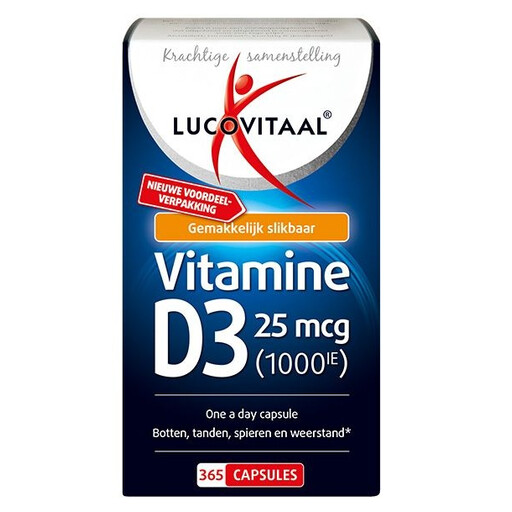
Why it suits this profile: A straightforward daily vitamin D3 option with one small capsule per day and 365 capsules per pack. Ideal for adults looking for a simple routine.
The dosage and contents are clearly stated: 25 mcg per capsule and 365 capsules. There is no complex blend of ingredients to compare.
25 mcg of vitamin D3 per capsule; daily dosage of one capsule; 365 capsules; capsule contains gelatine and is therefore not vegan.
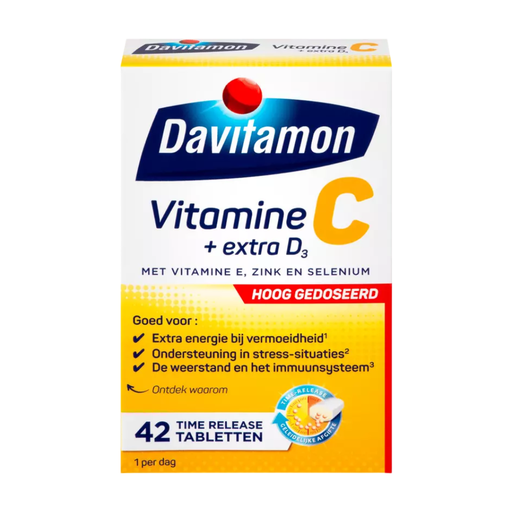
Why it suits this profile: Suitable for anyone who wants to combine vitamin C and vitamin D3 with zinc, selenium and vitamin E in one daily tablet.
The ingredients and quantities per tablet are specified. This makes it clear what you are adding and allows you to check for duplicate intake from other supplements.
600 mg of vitamin C; 10 mcg of vitamin D3; 10 mg of zinc; 55 mcg of selenium; pack of 42 tablets; suitable for adults.
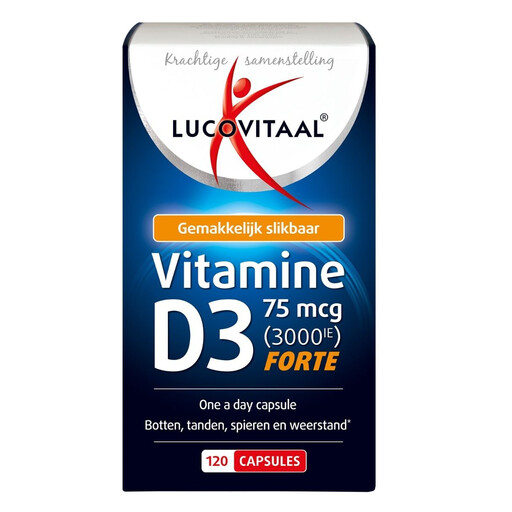
Why it suits this profile: For adults specifically looking for a higher vitamin D3 dosage and wanting to tailor the amount carefully to their personal circumstances.
The dosage of 75 mcg is clearly stated per capsule. Before use, check whether this amount suits your needs and other supplements.
75 mcg of vitamin D3 per softgel; 120 capsules; one capsule per day according to the product information; contains beef gelatine and is not vegan.
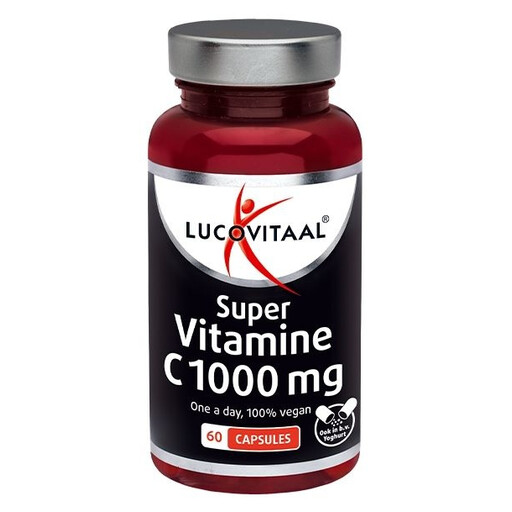
Why it suits this profile: A straightforward choice for vegans who want to take vitamin C separately, without gelatine or an extensive multivitamin complex.
The product information states that the capsule is vegan and provides a short ingredients list. This makes it easier to check for animal-derived ingredients and allergens.
1000 mg of vitamin C per capsule; 60 capsules; vegan according to the product information; capsule can be opened and mixed with yoghurt or juice.
We have put together a complete, up-to-date list of products that fully meet these strict selection criteria and the applicable European safety regulations.
That depends on your diet, lifestyle and any deficiencies. According to authorised nutrition claims, vitamin C, vitamin D3 and zinc contribute to the normal function of the immune system. A single-ingredient product is easier to understand, while a multivitamin contains several nutrients. Do not choose solely on the basis of the highest dosage.
Vitamin D3 25 mcg and vitamin D3 75 mcg are different dosages. The right choice depends on personal circumstances, such as spending little time outdoors, age, skin type and advice from a healthcare professional. Do not take several vitamin D products at the same time without checking the total amount.
Always follow the dosage instructions and warnings on the label. If you use high doses for a long time, combine them with other food supplements or take medication, it is advisable to consult a doctor or pharmacist. Store the product in a dry, closed place and keep it out of the reach of young children.
