
Vandaag of morgen in huis

Kwaliteit gegarandeerd

Welkomstaanbiedingen ontgrendelen: GRATIS bezorging | Tot 80% korting | Gratis 30 dagen JoyPlus-proefperiode
Download de app
Buying a tub of children’s vitamins seems simple enough. However, multivitamins for children, gummies and chewable tablets can vary considerably in recommended age, dosage, ingredients and nutritional claims. Bright packaging or a fruity flavour tells you little about whether a product is suitable for your child.
Pay particular attention to these three common pitfalls:
Food supplements are not a substitute for a varied diet. If your child takes medication, has a medical condition, or you are unsure about the dosage or a specific deficiency, it is sensible to consult your GP, pharmacist or dietitian.
Choose a product that is clearly suitable for your child’s age. Some children’s vitamins are intended for children aged 3 and over, while others are only recommended from age 5, 6 or 12.
Pay attention to the difference between:
A daily dosage of “1–2 gummies” does not mean that two are always needed. Check the nutritional values per recommended serving and follow the instructions on the packaging. Do not exceed the recommended daily dose.
A pack containing 120 gummies may look like good value, but how long it lasts depends on the daily dosage. So calculate:
number of pieces ÷ recommended number per day = estimated duration of use
Then compare the vitamins and minerals per daily serving. Many products contain vitamin C, vitamin D, B vitamins and zinc. Other formulas are more specific, such as:
You should read claims about the effects as information provided by the manufacturer. According to the product information from the brands concerned, certain nutrients contribute to normal bodily functions. This is not a guarantee of an individual effect and is not a substitute for medical advice.
The format determines how practical the supplement is for your family’s daily routine:
Also check whether the product meets your requirements: vegan, vegetarian, lactose-free, gluten-free or sugar-free. “Sugar-free” does not automatically mean that no sweeteners are present. Gummies may also contain gelatine. According to the product information, Dagravit Kids-Xtra Gummies for ages 3–5 contain pork gelatine, for example. This means they are not suitable for vegetarians or vegans.
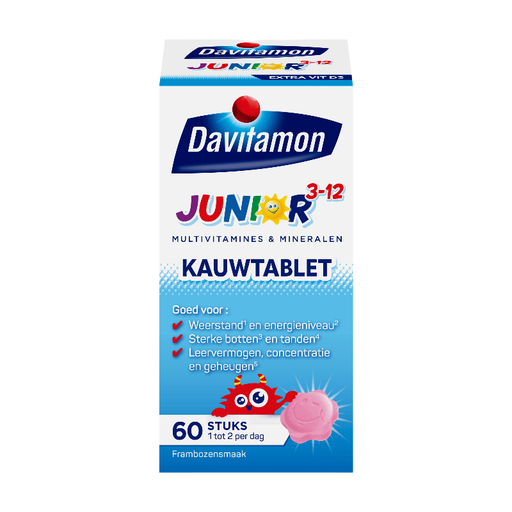
Why it suits this profile: A straightforward choice for children aged 3 and over who prefer chewing to swallowing. The recommended amount is 1–2 chewable tablets per day.
The age recommendation, daily dosage and nutritional values are clearly stated. This means you can compare products based on more than just flavour or packaging.
According to the product information: suitable from age 3, raspberry flavour, and a sugar-, gluten- and lactose-free formula.
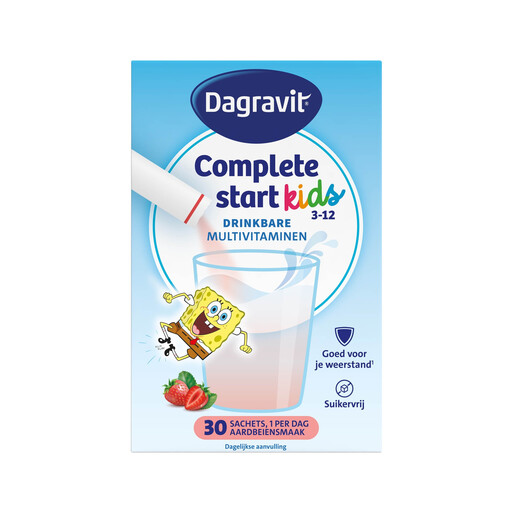
Why it suits this profile: Practical for families where a child struggles with gummies or chewable tablets. According to the label, one sachet is mixed with 200 ml of water.
The serving is stated per sachet, reducing confusion about the number of tablets or gummies to take each day.
According to the product description: suitable for ages 3–12 and free from lactose, gluten and sugar.

Why it suits this profile: Designed for parents who are not looking for a complete multivitamin, but specifically want magnesium for children.
The dosage varies by age: according to the label, 1 tablet for ages 3–9 and 2 tablets from age 10. This makes the age limit clear.
Contains 60 mg of magnesium per tablet and has a berry flavour. According to the product information, higher intakes may have a laxative effect.
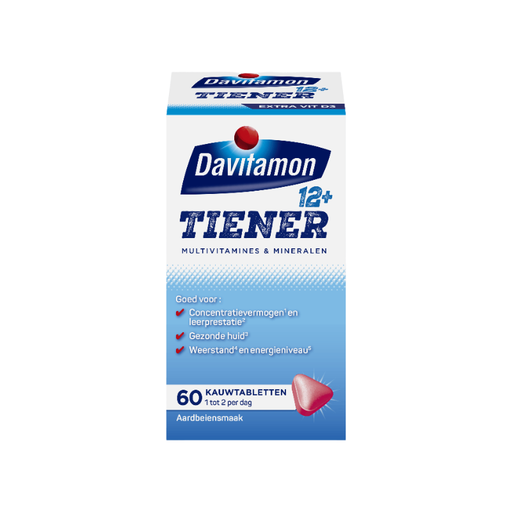
Why it suits this profile: Developed for teenagers aged 12 and over who are looking for a chewable multivitamin containing a broader combination of vitamins and minerals.
The product is clearly marked for ages 12 and over. This helps prevent a teenage formula being given to a younger child without checking first.
According to the product information: strawberry flavour, gluten- and lactose-free, with a recommended intake of 1–2 chewable tablets per day.
We have put together a complete, up-to-date list of products that fully meet these strict selection criteria and the applicable European safety regulations.
This depends on the child’s age, diet and the product selected. There are multivitamins, gummies and chewable tablets for children aged 3 and over. Always check the exact age recommendation and daily dosage on the label. Do not choose a teenage product for a younger child without consulting a healthcare professional.
Gummies can be practical when a child struggles with tablets. However, check the amount of sugar, sweeteners and any gelatine. Pay attention to the dosage too: a tasty gummy may appeal to children, but it is still a food supplement. Therefore, keep the packaging out of children’s reach.
Not without checking the ingredients and total dosage. A multivitamin may already contain vitamin D, magnesium or other minerals. Combining several products can unintentionally result in a double intake. Compare the labels and, if in doubt, ask your GP or pharmacist for advice.
