
Vandaag of morgen in huis

Kwaliteit gegarandeerd

Welkomstaanbiedingen ontgrendelen: GRATIS bezorging | Tot 80% korting | Gratis 30 dagen JoyPlus-proefperiode
Download de app
Looking for vitamins and food supplements for yourself or your family? You will soon come across terms such as “energy”, “immunity”, “concentration” and “sleep” on packaging. These words do not always tell you whether a product is suitable for your age, diet or intended use.
A good choice therefore starts not with the most eye-catching promise, but with the ingredients, dosage and target group shown on the label.
A multivitamin containing many vitamins and minerals can be useful as a general supplement. However, more ingredients do not automatically mean that you need them all. Pay particular attention to the amounts per recommended daily dose and how they combine with any other supplements you already take.
Children’s vitamins, vitamins for teenagers and adult multivitamins are not interchangeable. A product for children aged 3 and over has a different dosage from a formula for teenagers aged 12 and over. Always check the age range, the amount per tablet and the recommended daily intake.
Tablets that are difficult to swallow often end up unused in the cupboard. Chewable tablets, melt tablets and effervescent tablets can be more practical, but they often contain sweeteners, flavourings or acids. Check the ingredients if you are sensitive to certain substances or are looking for a vegan food supplement.
First, check whether the product is intended for your situation:
Do not exceed the recommended daily dose. Supplements are not a replacement for a varied diet and healthy lifestyle.
Do not just compare the number of tablets. Focus mainly on the nutritional values per recommended daily dose. For example, a product may contain 60 tablets but recommend taking two tablets a day.
Pay attention to:
Claims about energy, immunity, bones, muscles, concentration, sleep or stress must be consistent with permitted EU health claims. When a brand mentions a specific effect, treat it as a claim made by the manufacturer and check the official product information.
A melt tablet can be useful when you do not have water to hand. Effervescent tablets are practical at home, but must dissolve completely in water. Chewable tablets are suitable for people who have difficulty swallowing, although taste and mouthfeel can vary.
Store supplements in a dry, sealed place and keep them out of the reach of young children. Use a container with a securely closing lid and do not store it next to sweets, particularly when it contains children’s vitamins.
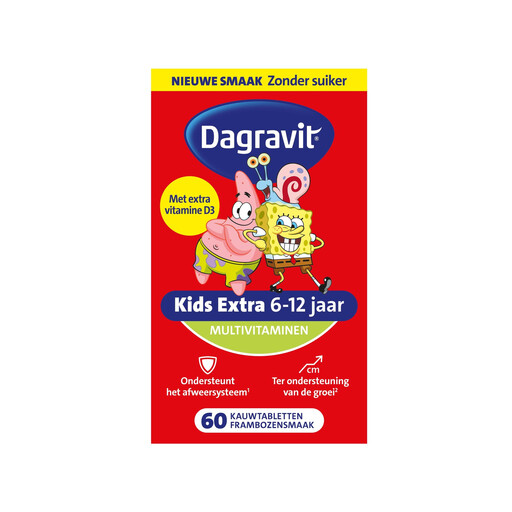
Why it suits this profile: According to the product label, these chewable tablets are intended for children aged 6 to 12 and have a raspberry flavour. This makes the daily routine straightforward for families looking for a simple multivitamin.
The age range and dosage are clearly stated. The recommended intake is 1–2 chewable tablets a day, preferably with a meal.
Chewable format, raspberry flavour and a formula containing, among other nutrients, vitamins D, C and B12, iron and zinc. According to the label: sugar-free, lactose-free and gluten-free.
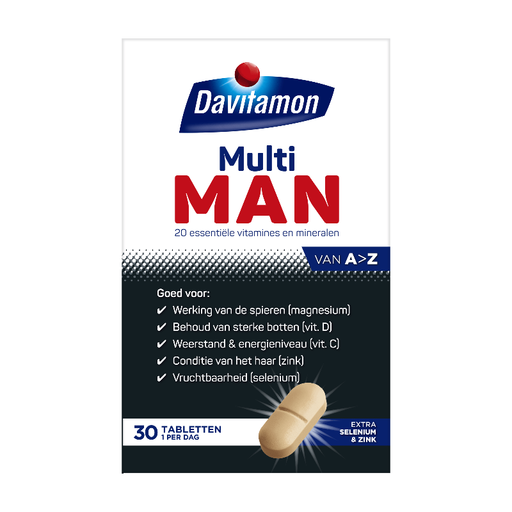
Why it suits this profile: According to the product label, this adult multivitamin has been developed for adult men and is taken as one tablet a day with or after a meal.
The product information states the target group, directions for use and nutritional values per tablet. This allows you to compare the amounts of magnesium, zinc, selenium and vitamin D in concrete terms.
According to the label, each daily tablet contains 300 mg magnesium, 100 µg selenium, 15 mg zinc and 5 µg vitamin D. Suitable for vegetarians.
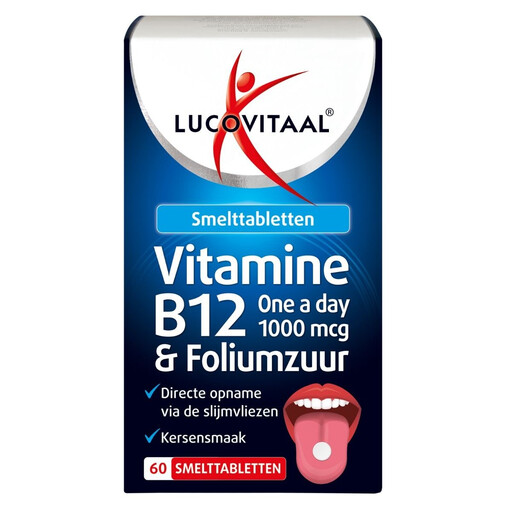
Why it suits this profile: For adults who want to take vitamin B12 and folic acid specifically and would rather not swallow a tablet. According to the label, the melt tablet is intended to be taken once a day.
The formula contains just two main nutrients. This helps prevent you from unintentionally combining a broad multivitamin with a separate B12 product.
According to the product information, each tablet contains 1000 µg vitamin B12 and 300 µg folic acid. The formula is vegan and contains none of the 14 main EU allergens.

Why it suits this profile: A targeted choice for parents who are not looking for a complete multivitamin but for a magnesium product for children aged 3 and over.
The dosage is broken down by age: one chewable tablet for ages 3–9 and two from age 10. This makes the age limit immediately clear.
Berry flavour, chewable format and 60 mg magnesium per tablet according to the product information. The magnesium forms used are malate, bisglycinate and citrate.
We have put together a complete, up-to-date list of products that fully meet these strict selection criteria and the applicable European safety regulations.
Follow the best-before date on the packaging and store the product according to the label. This usually means keeping it dry, dark and at room temperature. Close the packaging securely and do not use tablets that are discoloured, damp or damaged.
This can lead to an unintentionally high total intake of certain vitamins or minerals. Check all labels carefully, particularly for vitamin D, iron, zinc, magnesium, calcium and folic acid. If you take medication, are pregnant or breastfeeding, or have a medical condition, ask a doctor or pharmacist for advice.
That depends on your goal. A multivitamin contains several nutrients in one product. A targeted supplement, such as vitamin B12, magnesium or calcium magnesium zinc, may be more practical when you are looking for one specific combination. Compare the price per recommended daily dose rather than just the price per pack.
