
Vandaag of morgen in huis

Kwaliteit gegarandeerd

Welkomstaanbiedingen ontgrendelen: GRATIS bezorging | Tot 80% korting | Gratis 30 dagen JoyPlus-proefperiode
Download de app
By Joybuy Product Recommendation Officer
When buying vitamins and food supplements, you quickly come across terms such as “high strength”, “natural” and “fast-acting”. These words alone do not tell you much. The relevant questions are: which nutrient does the product contain, in what quantity, who is it intended for and does the dosage fit into your daily routine?
The wrong choice can lead to duplicate intake, a product that does not suit your diet or a pack that ends up unused in the cupboard. Use these practical checks to compare supplements such as vitamin D3 capsules, magnesium bisglycinate, multivitamins, hair vitamins and gummies and chewable tablets more effectively.
A bigger number on the front is not automatically more useful. Always compare the amount per recommended daily dose with the reference intake (RI). Also consider the form: for example, vitamin D3 as cholecalciferol, magnesium as bisglycinate or zinc as a methionine compound.
Also check whether you are already getting the same nutrient from a multivitamin, a hair formula or a product containing vitamin C and zinc. This helps prevent unnecessary overlap between several products.
A brand may describe a product’s properties, but that does not automatically make an effect predictable for every individual. Claims about immunity, energy, hair, skin or intimate health must comply with European rules on nutrition and health claims.
So read the ingredients list and directions for use. With botanical formulas, such as shilajit capsules or libido supplements for men and women, it is particularly important not to focus solely on the product name. Check extract ratios, daily amounts and warnings.
Capsules are compact, but they are not always vegan. Some vitamin D3 capsules, for example, contain gelatine. Gummies are easy to take, but they often contain sweeteners and may have a laxative effect if consumed excessively. A liquid shot is convenient when you are out and about, but it may contain allergens such as fish.
For vegans and vegetarians, vegan food supplements with a plant-based capsule or pectin are an obvious point to check. Also look for halal certification, allergens and the recommended storage temperature.
Do not look only at the number of capsules or tablets in the pack. A jar containing 60 tablets, for example, may last 30 or 60 days, depending on the recommended dosage. Make a note of:
For Lucovitaal Magnesium 375 mg Bisglycinate, for example, the recommended amount is 2 tablets per day. The pack contains 90 tablets, so the number of days’ use is lower than the number 90 might suggest.
The chemical or nutritional form may be important when making your choice. Magnesium bisglycinate is different from magnesium oxide. With iron supplements, check the amount of elemental iron and any additional ingredients such as vitamin C, zinc or copper.
For hair and skin, you can choose from a biotin supplement, hair vitamins containing several B vitamins or a collagen supplement. Pay particular attention to the amount per day. According to the product information, Davitamon Hair Vitaal contains 60 µg of biotin and 5 mg of zinc per tablet, among other ingredients. Lucovitaal Biotin 10.000 mcg Forte, on the other hand, contains only a high amount of biotin per lozenge. These are different formulas for different preferences.
Check the age range, diet and medical warnings. Children’s vitamins are not automatically intended for use by adults, and adult formulas are not automatically suitable for children.
Take extra care in specific situations, including:
If you are unsure, consulting a doctor or pharmacist is wiser than combining several products yourself.
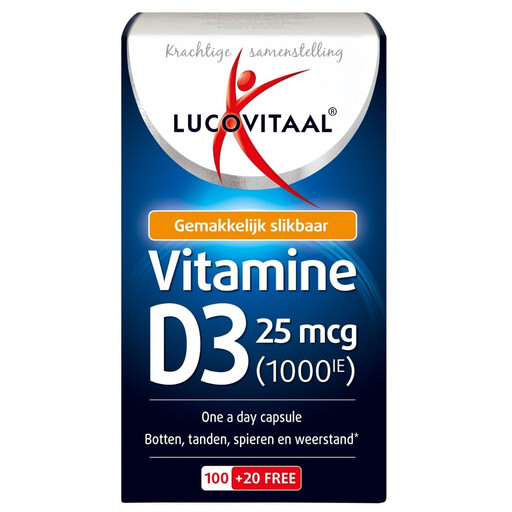
Why it suits this profile: A simple formula with one capsule per day and 120 capsules per pack. According to the product information, each capsule contains 25 µg of vitamin D3.
The amount of vitamin D3 and the recommended dosage are clearly stated. However, check that gelatine in the ingredients is suitable for your diet.
25 µg of vitamin D3 per capsule; 120 capsules; unsweetened, flavourless softgel according to the product information.
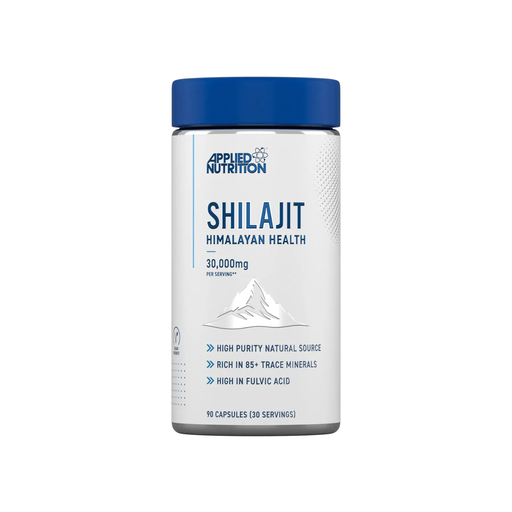
Why it suits this profile: For adults who value a plant-based formula, halal certification and a standardised extract.
The product information states 1,500 mg of extract per daily dose of 3 capsules and standardisation to 60% fulvic and humic acids. An extract ratio is not a guarantee of results.
Vegan capsule; halal-certified according to the product information; 90 capsules and 30 daily servings.

Why it suits this profile: A practical choice for adults who prefer a pre-measured liquid serving to capsules or tablets.
According to the product information, each shot contains 25 ml and 12,500 mg of hydrolysed marine collagen. If you have a fish allergy, check the statement “may contain fish”.
30 individual shots; collagen combined with hyaluronic acid, vitamin C, biotin and vitamin D according to the product description.
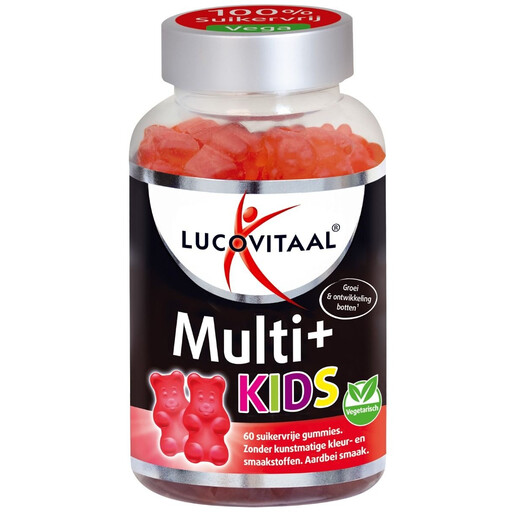
Why it suits this profile: Designed for children aged 5 and over who find ordinary tablets difficult to take and prefer a chewable format.
The minimum age, dosage of 1 gummy per day and warning against excessive use are stated in the product information. Keep gummies out of the reach of children.
Suitable from age 5; strawberry flavour; contains vitamin C, D3, B12 and biotin, among other nutrients.
We have put together a complete, up-to-date list of products that fully meet these strict selection criteria and the applicable European safety regulations.
The best-before date is shown on the packaging. As a general rule, store capsules and tablets in a dry, cool place and keep them tightly sealed. Gummies may be particularly sensitive to heat and moisture after opening. Always follow the manufacturer’s specific storage instructions and do not use a product if the seal is damaged.
Sometimes, but check for duplicate ingredients first. A multivitamin may already contain vitamin D, zinc, iron or biotin, for example. Do not automatically combine an iron supplement with a multivitamin or a zinc supplement without calculating the total daily amount. If you take medication or have a medical condition, it is sensible to consult a doctor or pharmacist.
Gummies and chewable tablets are convenient for people who find capsules difficult to take, but they are not necessarily equivalent to capsules. Check the nutrients per recommended serving, sweeteners, allergens and minimum age. For children, it is also important not to treat a gummy like a sweet, even when it has a sweet flavour.
Food supplements are not a substitute for a varied diet and healthy lifestyle. Follow the recommended dosage and always read the current label, warnings and leaflet before use.
