
Vandaag of morgen in huis

Kwaliteit gegarandeerd

Welkomstaanbiedingen ontgrendelen: GRATIS bezorging | Tot 80% korting | Gratis 30 dagen JoyPlus-proefperiode
Download de app
Vitamins and supplements for women are available for virtually every stage of life, from trying to conceive and pregnancy to the menopause and beyond. This wide range can make comparing products difficult. Eye-catching packaging or terms such as “high-strength” say little on their own about whether a product is suitable.
The most important question is therefore not which supplement makes the biggest promises, but which formulation suits your situation, diet and intended use.
A high dosage may sound appealing, but more is not always more practical. For each vitamin and mineral, check the amount per recommended daily serving and compare it with the reference intake (RI). Also look out for overlaps: taking a multivitamin alongside a separate magnesium, iron or biotin supplement can significantly increase your total intake.
For ingredients such as maca, sage, shatavari, chasteberry, ashwagandha and black cohosh, health claims have not always been approved by the European Union. According to the brands’ product information, certain claims are still under assessment. Treat these ingredients as part of the formulation, rather than as a guaranteed solution for hormonal balance, menopausal symptoms or libido.
A multivitamin for women may contain iron, folic acid or iodine, while your individual needs may be different. Extra care is needed during pregnancy, while breastfeeding, when taking medication or if you have a medical condition. Always check the label and, if in doubt, ask a doctor or pharmacist for advice.
Do not just compare the number of tablets in a pack. The daily dosage is more important. For example, a product containing 60 capsules may be intended to last 30 days if you take two capsules a day.
When choosing a multivitamin for women, look out for:
If you are looking for vegan vitamins for women, you should also check that the capsule, form of vitamin D and other ingredients are genuinely vegan. A product may contain plant-based ingredients but still use fish oil or gelatine, for example.
For women trying to conceive, pregnancy vitamins and a women’s fertility supplement are not the same thing. Folic acid and DHA are key considerations. According to Lucovitaal’s product information, taking 400 micrograms of folic acid daily from at least one month before conception until three months afterwards contributes to an adequate maternal folate status. This does not replace personalised advice.
For women going through the menopause, options include a menopause supplement, magnesium for women, vitamin D and formulations containing plant extracts. When choosing supplements for the menopause, always check the warnings concerning medication, caffeine, hormone-sensitive conditions and pregnancy.
Check whether a product contains fish oil, iodine, iron, gelatine or any other ingredients you wish to avoid. Also consider:
When taking biotin for hair and skin, an additional warning is relevant: according to the product information, a high dose of biotin can affect laboratory test results. Do not therefore use the product shortly before a blood test without informing the healthcare professional.
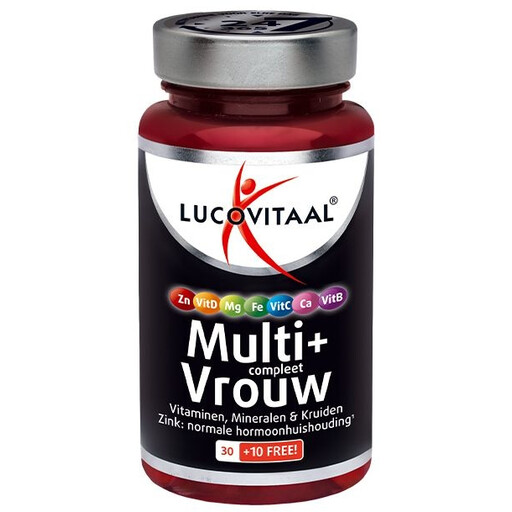
Why this suits the profile: A straightforward multivitamin for women who want to top up several vitamins and minerals each day with one tablet.
The formulation is easy to understand and use is limited to one tablet a day. However, always check the current packaging for exact dosages.
40 tablets, a multivitamin formulation for women and, according to the product information, alcohol-free.
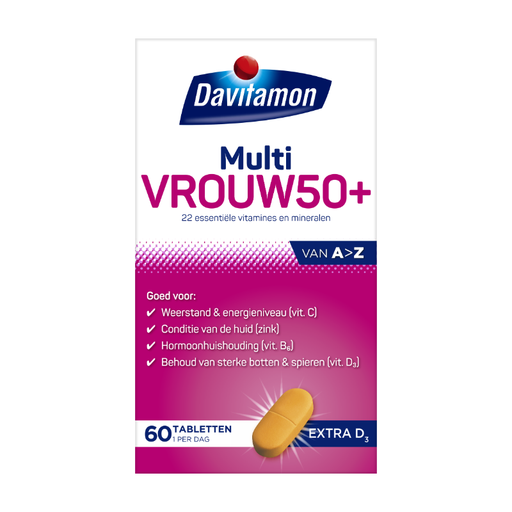
Why this suits the profile: Designed for women aged 50 and over who are looking for a broad formulation containing vitamins, minerals and a plant extract.
The nutritional values per tablet are clearly specified, including RI percentages for vitamin D, magnesium, iron and zinc, among others.
60 tablets, one tablet per day and a formulation containing calcium, magnesium, vitamin D3 and Panax ginseng extract, among other ingredients.
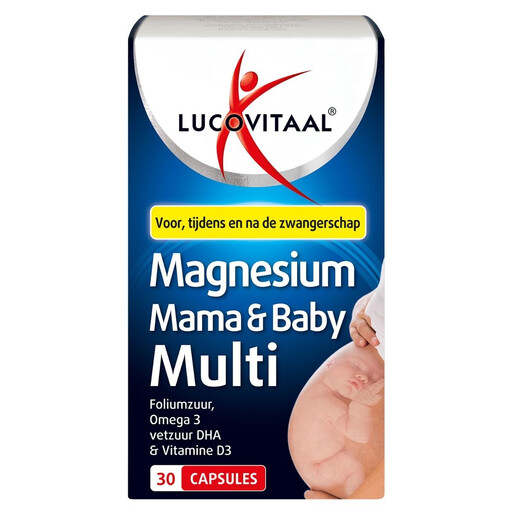
Why this suits the profile: Intended for women trying to conceive, during pregnancy and after pregnancy who are looking for a formulation containing DHA, folic acid, vitamin D and magnesium.
The target group and stage of use are clearly stated. Always check the full formulation before use and discuss supplements with a healthcare professional during pregnancy.
30 capsules, fish oil with DHA and EPA, plus folic acid and vitamin D according to the product description.
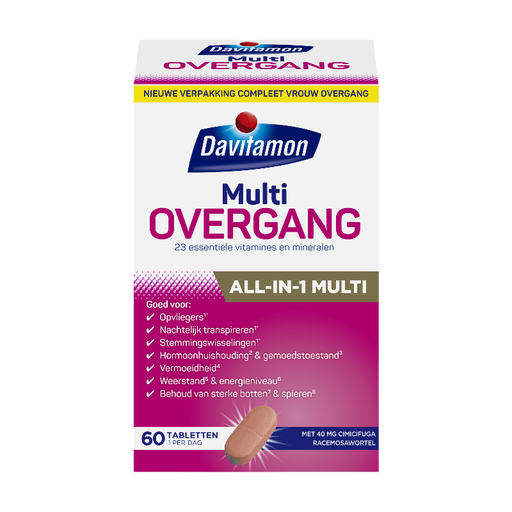
Why this suits the profile: A daily formulation for women going through the menopause, containing vitamins, minerals and Cimicifuga racemosa.
The product information distinguishes between permitted nutrition claims for nutrients and claims concerning Cimicifuga, which are still under assessment.
60 tablets, one tablet per day and, among other nutrients, 105 mg of magnesium, 10 micrograms of vitamin D3 and 6.7 mg of zinc per daily serving.
We have put together a complete, up-to-date list of products that fully meet these strict selection criteria and the applicable European safety regulations.
That depends on your age, diet and stage of life. For general daily use, a broad multivitamin may be sufficient. If you are trying to conceive, are pregnant, going through the menopause or aged over 50, a formulation with a clearly defined target group may be more practical. Always compare the daily dosage and do not simply combine several products.
Not always. According to product warnings, herbs such as sage, black cohosh, maca and chasteberry may interact with certain medicines. If you take blood thinners, diabetes medication, hormone medication or any other medicines, consult a doctor or pharmacist first.
Calculate the duration of use by dividing the number of tablets or capsules by the recommended daily dosage. A pack containing 60 tablets, taken at one tablet per day, will therefore last approximately 60 days. Also check the expiry date and storage instructions on the packaging.
This may increase your total intake. First check how much biotin, magnesium, zinc and other nutrients your multivitamin already contains. If you are pregnant, breastfeeding, taking medication or experiencing health problems, it is advisable to consult a healthcare professional.
