
Vandaag of morgen in huis

Kwaliteit gegarandeerd

Welkomstaanbiedingen ontgrendelen: GRATIS bezorging | Tot 80% korting | Gratis 30 dagen JoyPlus-proefperiode
Download de app
Anyone looking for vitamins and food supplements will quickly come across high dosages, extensive ingredient lists and promises relating to energy, immunity, hair or skin. However, eye-catching packaging says little about whether a product is right for your situation. The right choice starts with your purpose, the ingredients and the recommended dosage.
More is not automatically necessary. For example, a 1000 mg vitamin C supplement contains several times the reference intake. This may be suitable for some adults, but it does not automatically make a product more appropriate for daily use. Also pay attention to combinations: if you use a multivitamin, vitamin D3 capsules and a separate zinc supplement, you may be taking the same nutrients more than once.
Brands sometimes use terms such as “extra strong”, “better absorption” or “supports the immune system”. Always check whether this is an authorised nutrition claim or a statement made by the manufacturer. According to a brand’s own research, an ingredient may have a particular effect, but that is not the same as a guaranteed personal result. Botanical claims relating to sage, maca, turmeric or green tea, for example, may also still be awaiting European approval.
A capsule, tablet, effervescent tablet or gummy requires a different routine. Gummies can be convenient if you find swallowing difficult, but they often contain sweeteners. A product for children is not automatically suitable for adults, while pregnancy vitamins and postnatal multivitamins are intended for a specific stage of life. Therefore, check the age recommendation, pregnancy, breastfeeding and any allergens.
Do not just compare the number of capsules or tablets. Focus especially on the amount per day. Examples:
Look at the reference intake, abbreviated as RI, and check whether a product already contains nutrients that you are getting from another supplement.
A general multivitamin is different from a multivitamin for women, multivitamin for men, hair vitamins or a menopause supplement. A men’s formula may contain zinc, magnesium and various B vitamins, for example. A product for women may contain additional folic acid. During the period after pregnancy, iron, folic acid and other micronutrients are often part of the formulation.
Also pay attention to specific ingredients:
A jar containing 365 capsules may seem good value, but calculate the cost per day and check whether you will use the product within its recommended shelf life. Pay attention to the number of daily doses: one capsule a day is convenient, while some menopause supplements recommend taking two capsules per day.
Store supplements in a dry, dark place and keep them out of children’s reach. Gummies may need to be used within a certain period after opening. Products containing iron require extra care, as accidental ingestion by young children can be dangerous.
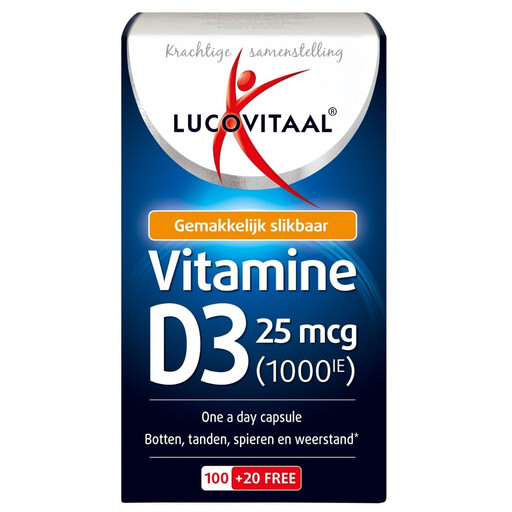
Why it suits this profile: A straightforward choice for adults who want to take one capsule a day without an extensive blend of ingredients.
The formulation is clear and easy to understand: 25 µg vitamin D3 per capsule and 120 capsules per pack. This makes it easy to calculate the daily amount.
One capsule a day, 25 µg vitamin D3, a pack containing 120 capsules and a small capsule according to the product description.
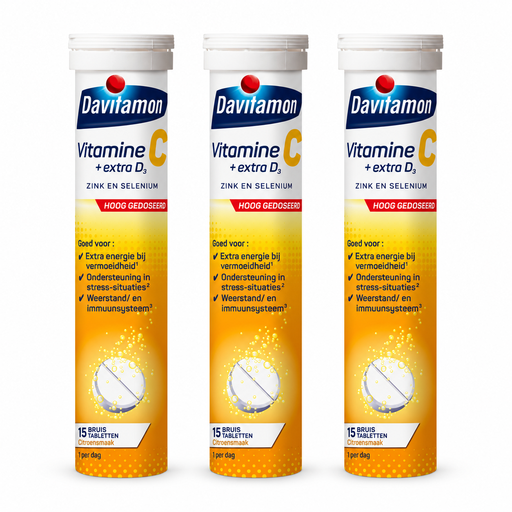
Why it suits this profile: Suitable for adults who want to combine vitamin C, D3, zinc and selenium in one effervescent tablet.
The nutritional values per tablet are clearly stated. You can immediately see that the formula contains 600 mg vitamin C and 10 mg zinc, without having to combine separate products.
Lemon-flavoured effervescent tablet, sugar-free according to the product information, with 45 tablets divided across three packs.
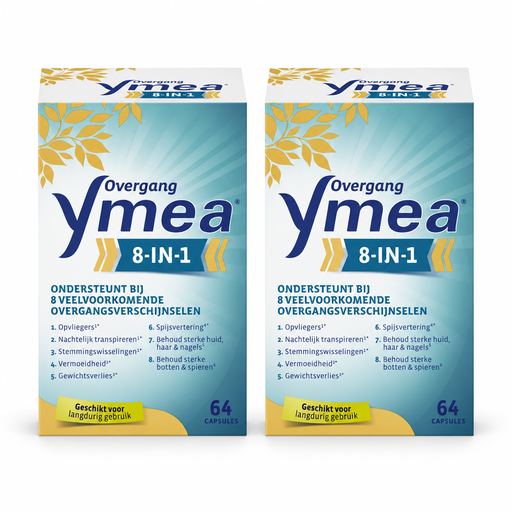
Why it suits this profile: For women considering a formula containing plant extracts, vitamin B6, vitamin D3 and zinc during the menopause.
The dosage is clear: a maximum of two capsules per day. The product information also states that claims relating to some plant extracts are still awaiting European approval.
Gluten-, lactose- and gelatine-free according to the product description; contains 10 mg zinc, 1.4 mg vitamin B6 and 5 µg vitamin D3 per daily serving.
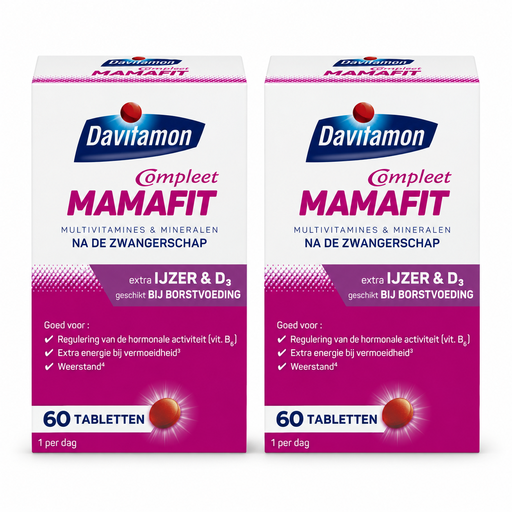
Why it suits this profile: According to the product information, these postnatal multivitamins were developed for the period after pregnancy and are suitable for use while breastfeeding.
The formula and warnings are tailored to a specific stage of life. As it contains 21 mg iron, it is especially important to store it safely out of children’s reach.
One tablet a day, 120 tablets in two packs and a formulation containing iron, folic acid, vitamin D3, biotin, zinc and selenium.
We have put together a complete, up-to-date list of products that fully meet these strict selection criteria and the applicable European safety regulations.
This depends on the product, the dosage and your personal situation. Always follow the label and the recommended daily amount. If you are taking high dosages for a prolonged period, several supplements at the same time, medication, or if you are pregnant or have a medical condition, it is advisable to consult a doctor or pharmacist.
Sometimes, but first check whether the same vitamins or minerals are present in more than one product. Pay particular attention to combinations of a multivitamin with a vitamin D3 supplement, vitamin C supplement, hair vitamins or zinc supplement. Add up the daily amounts and do not exceed the recommended dosage.
Gummies may be easier to take, but they are not suitable for every age group. According to the product information, Lucovitaal Multi+ Vitamins for Kids is intended for children aged 5 and over. Always check the age limit, dosage, sweeteners and warnings on the packaging. Food supplements are not a substitute for a varied diet or healthy lifestyle.
