
Vandaag of morgen in huis

Kwaliteit gegarandeerd

Welkomstaanbiedingen ontgrendelen: GRATIS bezorging | Tot 80% korting | Gratis 30 dagen JoyPlus-proefperiode
Download de app
Anyone searching for vitamins for women will soon come across dozens of products featuring terms such as “complete formula”, “high dosage” and “hormone balance”. This can make comparing products more difficult than it needs to be. A supplement should suit your stage of life, diet and daily needs. A long list of ingredients does not automatically mean that a product is right for you.
A high percentage of the reference intake (RI) may seem appealing, but more is not always necessary. It is particularly sensible to check your total intake of vitamin A, iron, vitamin D, vitamin B6 and zinc. Are you already taking a multivitamin for women, magnesium for women or a separate fertility supplement for women? If so, add the amounts together.
Menopause products sometimes contain sage, maca, chasteberry, black cohosh or green tea. According to the brands’ product information, these ingredients are associated with various benefits. However, claims relating to certain plant extracts are often still under assessment under European regulations. Therefore, consider these ingredients part of the formula, rather than a guarantee of a particular result.
A standard multivitamin is not the same as a product for pregnancy, the period after pregnancy or women aged 50 and over. Pregnancy vitamins, for example, should be assessed differently from a menopause supplement. Folic acid for women trying to conceive also requires extra attention to dosage and period of use.
Do not just look at the number of tablets in the pack. Pay particular attention to the daily dosage. A product containing 60 tablets may be intended for one tablet a day, but it could also require two. Check the following for each nutrient:
When trying to conceive, the product information for Lucovitaal Fertility Support Women includes 400 micrograms of folic acid, 200 mg of DHA, iron, zinc and vitamin D3. According to the product information, an additional intake of 400 micrograms of folic acid per day, taken from at least one month before conception until three months afterwards, contributes to an increased maternal folate status. Discuss your personal circumstances with a midwife or doctor.
Pay attention to warnings relating to pregnancy, breastfeeding, medicines and medical conditions. A product containing herbal extracts is not automatically suitable for everyone. Some menopause products recommend consulting a healthcare professional if you have hormone-sensitive conditions, liver problems or are taking medicines.
Also check allergens and dietary requirements. These include vegan multivitamins for women, vegetarian formulas and products without gluten, lactose or gelatine. Remember that “vegan” and “suitable during pregnancy” are two separate properties.
A capsule, tablet, chewable tablet or liquid supplement can all be practical, depending on your routine. Check:
For liquid products, pay particular attention to refrigeration after opening and the amount per measuring spoon or cup. Also check whether the product contains caffeine. This is relevant for some formulas containing green tea and for liquid multivitamins.
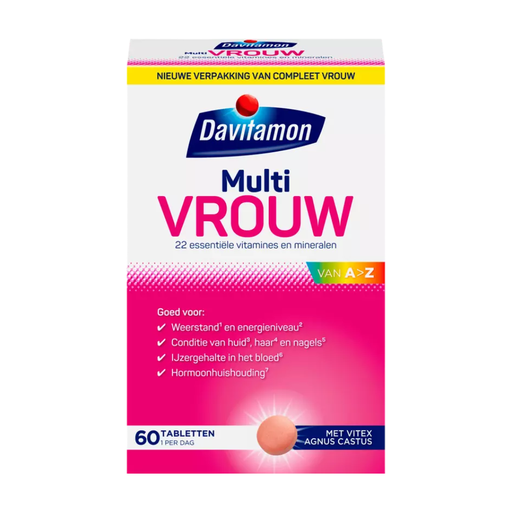
Why it suits this profile: A broad formula for adult women looking for one daily supplement instead of several separate products.
The ingredients and daily dosage are listed for each nutrient. This makes it easier to check the RI and your total intake.
60 tablets; a broad combination of vitamins and minerals; use of 1–2 tablets a day according to the product information.
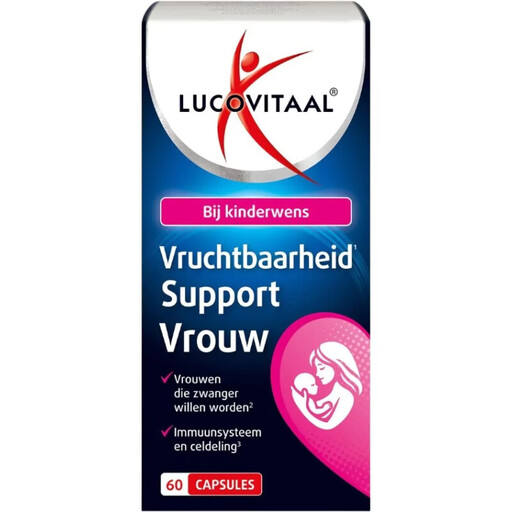
Why it suits this profile: Designed for women trying to conceive who want to combine folic acid, DHA and several minerals in one formula.
The formula clearly states 400 micrograms of folic acid and 200 mg of DHA per daily dosage. However, check whether any additional products contain the same nutrients.
Softgel containing fish oil; DHA, vitamin C, D3, iron and zinc; recommended use of one capsule a day.
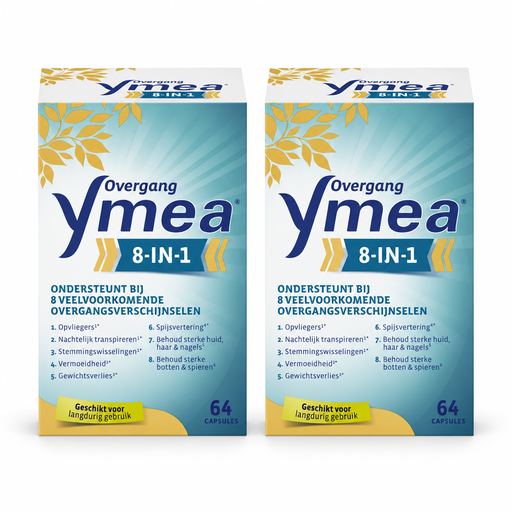
Why it suits this profile: For women specifically looking for a menopause supplement containing plant extracts, vitamin B6, vitamin D3 and zinc.
The dosage is clearly set at two capsules a day. The information also states that claims relating to sage, maca, cayenne and artichoke are still awaiting European approval.
Free from gluten, lactose and gelatine; 10 mg of zinc and 1.4 mg of vitamin B6 per daily dosage; 128 capsules in total.
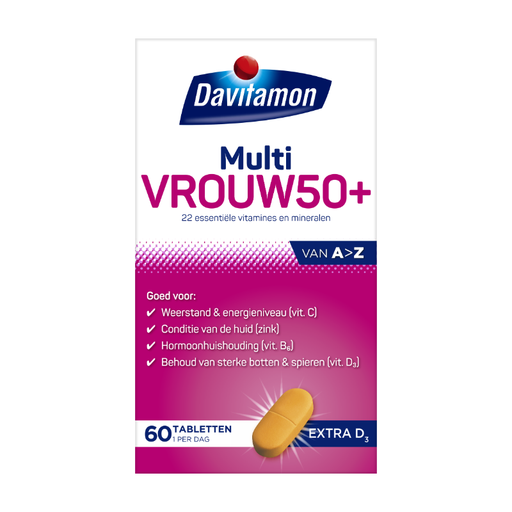
Why it suits this profile: A formula for women aged 50 and over, with a focus on vitamin D, calcium, magnesium and daily use.
The packaging is specifically aimed at women aged 50 and over. The nutritional values per tablet make it easier to compare with other vitamins for women aged 50+.
60 tablets; one tablet a day; contains, among other nutrients, 10 micrograms of vitamin D3, 160 mg of calcium and 75 mg of magnesium per daily dosage.
We have compiled a complete, up-to-date list of products that fully meet these strict selection criteria and the applicable European safety regulations.
That depends on your age, diet and stage of life. Many formulas contain vitamin D, B vitamins, vitamin C, zinc and iron. If you are trying to conceive, folic acid for women is an important consideration. Do not automatically take several products at once: first compare the total daily amounts.
Sometimes, but check the labels first. A multivitamin may already contain magnesium, iron or zinc. An additional magnesium for women or iron supplement could therefore result in an unnecessarily high total intake. If you are experiencing tiredness, have a confirmed deficiency, are pregnant or are taking medicines, it is sensible to consult a doctor or pharmacist.
The recommended period of use varies from product to product. Follow the recommended dosage and the warnings on the packaging. With formulas containing herbs, such as a hormone balance supplement or menopause product, extra caution is needed if you take medicines or have medical complaints. A supplement complements a varied diet and does not replace a healthy nutritional foundation.
