
Vandaag of morgen in huis

Kwaliteit gegarandeerd

Welkomstaanbiedingen ontgrendelen: GRATIS bezorging | Tot 80% korting | Gratis 30 dagen JoyPlus-proefperiode
Download de app
If you’re looking for vitamins for women, you’ll soon come across dozens of products featuring terms such as “high strength”, “hormone balance” and “extra energy”. This can make it difficult to compare them. A supplement may suit your age or stage of life, but still be unnecessary if you’re already taking several other products.
So the right choice doesn’t start with a bold claim on the front of the pack. It starts with the ingredients, dosage and warnings on the label.
A product containing lots of microgrammes or milligrams may look appealing, but more isn’t always better. It’s particularly important to count your total intake from food and other supplements when it comes to biotin for hair, skin and nails, vitamin D, iron and vitamin A.
Check the reference intake (RI). This helps you assess the amount per day in context. Also check the recommended period of use and maximum daily dose.
Terms such as “hormone balance”, “libido supplements for women” or “menopause support” often describe how a product is positioned. Claims about herbs such as maca, sage, chasteberry or black cohosh aren’t always approved health claims.
According to product information from various brands, some claims are still being assessed by the European authorities. So don’t treat these claims as a guaranteed effect. Always check which vitamins and minerals are actually included, and in what amounts.
A standard multivitamin for women isn’t automatically suitable during pregnancy, while breastfeeding or after the menopause. For example, pregnancy supplements may contain folic acid, vitamin D and DHA, while a formula for women aged 50 and over may have a different focus.
Don’t combine a women’s multivitamin with a menopause supplement, hair product or magnesium supplement without checking first. This helps you avoid taking duplicate amounts.
Don’t compare products by the number of tablets in the pack alone. Check the amount of each nutrient per recommended daily dose. For example, a pack of 120 tablets may be intended for one tablet a day, while another product may recommend two capsules.
Biotin, zinc and B vitamins are often used in products for hair, skin and nails. If you’re considering a biotin for hair, skin and nails supplement, check the warnings too. According to the product information, biotin can affect laboratory test results. Tell your doctor or laboratory that you’re taking it before having a blood test.
Check whether a product is vegan, vegetarian, gluten-free or lactose-free if that matters to you. Fish oil capsules, for example, aren’t suitable for vegans. A liquid multivitamin can be useful if you find tablets difficult to swallow, but check the sugar, sweeteners and caffeine content, as well as storage instructions after opening.
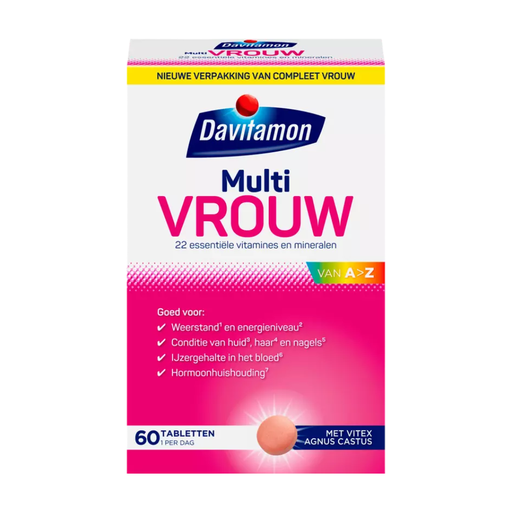
Why it suits this profile: An everyday multivitamin for women who want to combine several vitamins and minerals in one product.
The ingredients and RI percentages are listed per daily dose. This makes it easier to compare products than relying on the packaging alone.
22 vitamins and minerals, plus Vitex agnus castus extract; recommended use of 1–2 tablets a day.
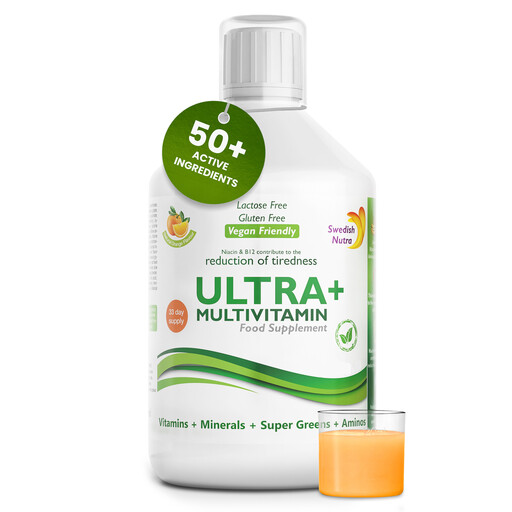
Why it suits this profile: A liquid option for adults who don’t want to swallow tablets and are looking for a vegan formula.
The product information gives the amount per 15 ml and warns that each dose contains 63 mg of caffeine. This makes it less suitable during pregnancy or while breastfeeding.
33 doses of 15 ml; vegan, gluten-free and lactose-free according to the product information.
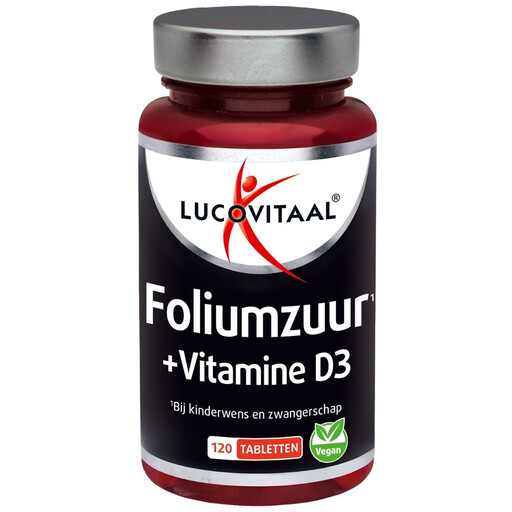
Why it suits this profile: A targeted option for women who want to supplement their folic acid intake during pregnancy according to a clear daily routine.
The formula doesn’t contain a broad mix of extra herbs. Each tablet provides 400 mcg of folic acid and 10 mcg of vitamin D3.
1 tablet a day; 120 tablets per pack; vegan according to the product information.
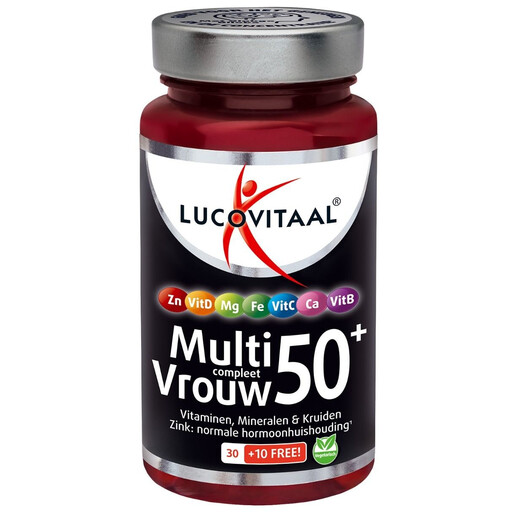
Why it suits this profile: A formula specifically labelled for women aged 50 and over, with a recommended dose of one tablet a day.
The age group is clearly stated. Check that the iron, iodine and vitamin K suit your personal circumstances and any medication you take.
Includes vitamin D3, calcium, iron, vitamin B12 and 400 mcg of folic acid; vegan according to the product information.
We’ve put together a complete, up-to-date list of products that meet these strict selection criteria and comply with current European safety regulations.
It depends on your age, diet and stage of life. Many products contain vitamin D, B vitamins, vitamin C and zinc, and sometimes iron. Folic acid is an important consideration for women trying to conceive. Always check the dosage and, if you’re unsure, ask your GP, midwife or pharmacist for advice.
This could lead to you taking duplicate amounts of nutrients such as vitamin D, zinc, iron or vitamin B6. Check both labels before combining products. Take extra care with herbs such as sage, maca, chasteberry or black cohosh if you take medication, are pregnant or breastfeeding, or have a hormone-sensitive condition.
To work out how long a pack will last, divide the number of tablets or capsules by the recommended daily dose. A pack of 60 tablets taken at one tablet a day will last around 60 days. For liquid products, the number of millilitres and the daily dose are usually stated. After opening, check any refrigeration and use-by instructions.
