
Vandaag of morgen in huis

Kwaliteit gegarandeerd

Welkomstaanbiedingen ontgrendelen: GRATIS bezorging | Tot 80% korting | Gratis 30 dagen JoyPlus-proefperiode
Download de app
A bottle of vitamins for women may seem like a quick purchase. Yet multivitamins vary considerably in dosage, ingredients and target group. A formula for everyday use is not automatically suitable during pregnancy, after menopause or when you already take other supplements.
As a Joybuy Product Recommendation Officer, I focus primarily on verifiable information on the label: the composition, recommended dosage, target group and warnings. This helps you avoid paying mainly for a long ingredient list or appealing claims.
Some women’s multivitamins contain dozens of vitamins, minerals, plant extracts and enzymes. That may sound comprehensive, but more ingredients do not automatically mean you need them. First check whether the formula suits your age, diet and stage of life.
A multivitamin for women containing iron may be a logical choice for some women who menstruate, but less suitable if you already take iron. Vitamin A, iodine, vitamin K and herbal ingredients also deserve extra attention when taking medication or during pregnancy.
Brands sometimes associate ingredients such as sage, maca, chasteberry, ginkgo biloba or black cohosh with menopausal symptoms, hormone balance or concentration. According to the product information provided by the brands concerned, some claims about plant extracts are still awaiting European approval. Do not therefore regard such statements as established medical outcomes.
Also pay attention to the serving size. A pack containing 120 capsules, for example, may last 60 days if the recommended dosage is two capsules per day.
Do you take a multivitamin, vitamin D, magnesium and a hair or skin supplement at the same time? Add up the amounts from all products. It is particularly sensible to review the complete label for vitamin B12 and folic acid, iron, vitamin A, vitamin D, iodine and zinc.
During pregnancy or breastfeeding, or if you have a medical condition or take medication, it is advisable to consult a doctor, pharmacist or midwife. Supplements are not a substitute for a varied diet.
Do not look only at the number of tablets in the pack. Check:
According to the product information, Body & Fit Multi Women contains one tablet per day and 60 tablets per pack. The formula includes vitamin D3, vitamin C, iron, zinc, iodine, magnesium and folic acid, among other nutrients. This makes the composition relatively easy to compare with other multivitamins for women.
The choice of vitamins and minerals for women depends on your stage of life:
Check whether the product contains iron, iodine, fish oil, gelatine, sweeteners or herbs. One supplement may be described as vegan in the product information, while another may contain fish oil or fish gelatine.
Extra caution is needed with menopause products. For example, Ymea’s product information states that sage may interact with certain medicines. For some products containing black cohosh, people with a history of liver problems are advised to seek medical advice first.
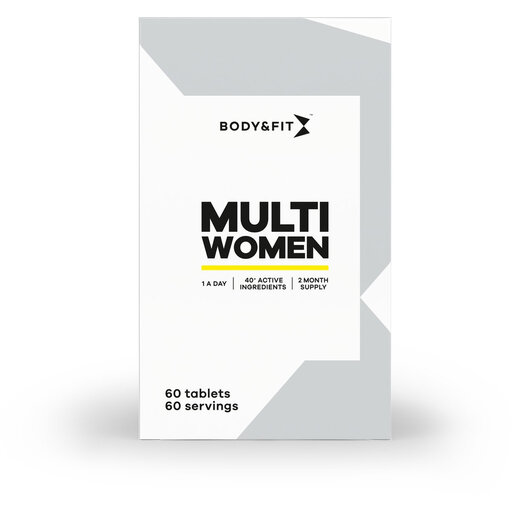
Why it may be a good fit: A practical daily multivitamin for adult women who prefer to take one tablet per day.
The product page states the amount per tablet and provides a clear recommended dosage, allowing you to monitor your daily intake.
60 tablets, one tablet per day and a broad combination of vitamins and minerals.
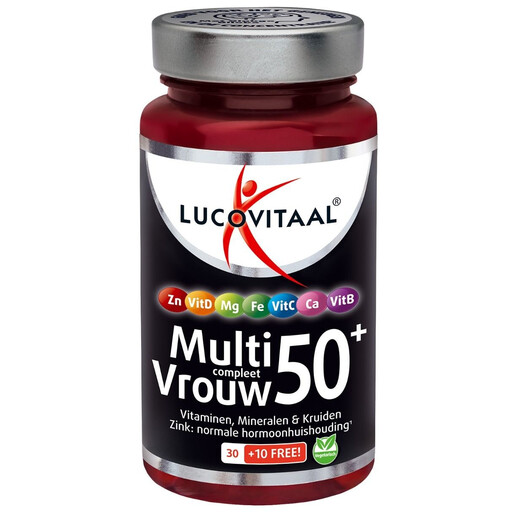
Why it may be a good fit: According to the product description, this formula is intended for women aged 50 and over and provides one tablet per day.
The age recommendation is clearly stated. However, check whether vitamin K, iodine and iron are appropriate for your personal circumstances.
The composition includes vitamin D3, calcium, vitamin B12, folic acid, iron and iodine, among other nutrients.
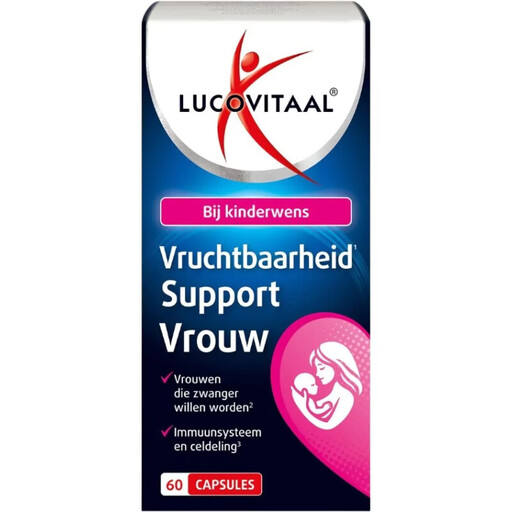
Why it may be a good fit: Designed for women who want to become pregnant, with folic acid, vitamin D, iron, zinc and DHA from fish oil.
The presence of fish oil and fish gelatine is stated. This is not suitable for people following a vegan diet or avoiding fish-derived ingredients.
For each daily capsule, the label states 400 micrograms of folic acid and 200 mg of DHA.
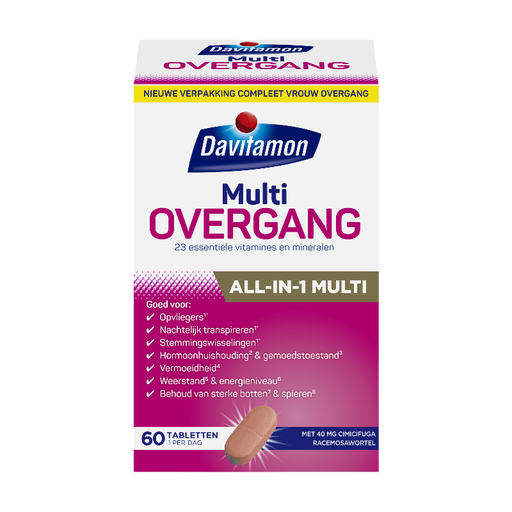
Why it may be a good fit: A daily multivitamin containing vitamins, minerals and 40 mg of black cohosh extract, according to the product label.
The product information makes no specific health claim for black cohosh. The label also includes warnings relating to pregnancy, breastfeeding and liver disease.
The formula includes vitamin D3, magnesium, calcium, vitamin B6, zinc and iron, among other nutrients.
Explore a current selection of vitamins for adult women and compare formulas, dosages and target groups.
Start by considering your stage of life and dietary pattern. For everyday use, a general women’s multivitamin may be sufficient. If you are trying to conceive, are pregnant, have recently given birth or are going through menopause, a targeted formula may be more appropriate. Always compare your total intake with that of any other supplements you use.
According to the product information for the selected prenatal formulas, they include folic acid and vitamin D, among other nutrients. Dutch recommendations for folic acid around pregnancy are specific and time-sensitive. Discuss your personal circumstances with a midwife or doctor, especially if you are already taking a multivitamin.
That depends on the dosage. A pack containing 60 tablets, taken at one tablet per day, lasts approximately two months. With two capsules per day, 64 capsules last around 32 days. Calculate based on the daily dose rather than simply counting the number of units shown on the front of the pack.
