
Vandaag of morgen in huis

Kwaliteit gegarandeerd

Welkomstaanbiedingen ontgrendelen: GRATIS bezorging | Tot 80% korting | Gratis 30 dagen JoyPlus-proefperiode
Download de app
A pot of vitamins for women might seem like a quick choice: look at the number of ingredients, a high dosage and an appealing promise on the label. Yet sometimes you pay for components you don't need, while an important mineral or a suitable dosage is missing. The right choice depends mainly on your life stage, diet and the purpose for which you're looking for a supplement.
A high percentage of the reference intake sounds convincing, but more isn't automatically better. Particularly with vitamin A, iron, iodine and certain B vitamins, it's wise to count your total intake from food and other supplements. Always check the composition per recommended daily dose, not just the front of the packaging.
A standard women's multivitamin isn't necessarily suitable during pregnancy, breastfeeding or after the menopause. For women who are trying to conceive, folic acid and vitamin D are important considerations, for example. A supplement for the menopause may contain plant extracts that require extra caution if you're taking medication.
Claims about sage, maca, chasteberry, wild yam or black cohosh are not the same as a proven medical effect. According to product information from Ymea, Lucovitaal and Davitamon, various claims about plant extracts are still under review for European approval. So look at which vitamins and minerals are actually in the formula and treat botanical ingredients as additional product features, not as a guarantee.
Compare products on the amount per day. One tablet might contain 10 micrograms of vitamin D, while another formula contains 20 micrograms. Also check whether the advice is one or two tablets per day. This way you compare products based on the actual daily intake.
Also pay attention to combinations. Are you already taking magnesium, iron, vitamin D or a separate vitamin B12 and folic acid? Add the amounts together before adding a second product.
For vitamins for women 50+, vitamin D, calcium, vitamin K and B vitamins can be relevant comparison points. According to the product description, Lucovitaal Multi 50+ contains, among other things, vitamin D3, vitamin K, calcium, iron, iodine and B vitamins. The product is vegan according to the stated information and contains ginkgo biloba.
For women who are trying to conceive or are pregnant, look specifically at folic acid for getting pregnant, vitamin D and possibly DHA. A pregnancy formula isn't automatically suitable for everyone; if you're taking medication, have a medical condition, are pregnant or breastfeeding, consult a doctor or midwife.
A supplement you forget to take daily doesn't fit your routine. Choose between a tablet, capsule, softgel or melt-in-the-mouth tablet. Lucovitaal Vitamin B12 & Folic Acid, for example, consists of vegan melt-in-the-mouth tablets. Also check allergens, sweeteners and excipients. If you eat a vegan diet, you should also check whether the entire formula is vegan; a product with fish oil or fish gelatine doesn't qualify.
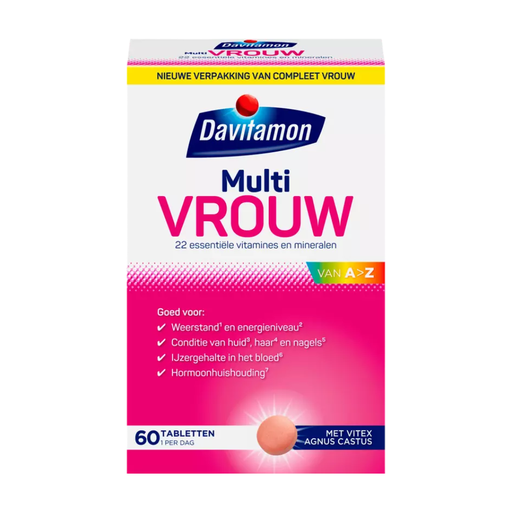
Why this fits the profile: A daily multivitamin for adult women who want one product with multiple vitamins and minerals. The recommended intake is 1 to 2 tablets per day according to the product information.
The composition and dosages per tablet are listed, so you can check the daily amount rather than relying solely on marketing text.
Contains, among other things, B vitamins, vitamin C and D3, iron, magnesium, zinc and iodine. The formula also contains Vitex agnus castus; check the warnings if you're taking medication.
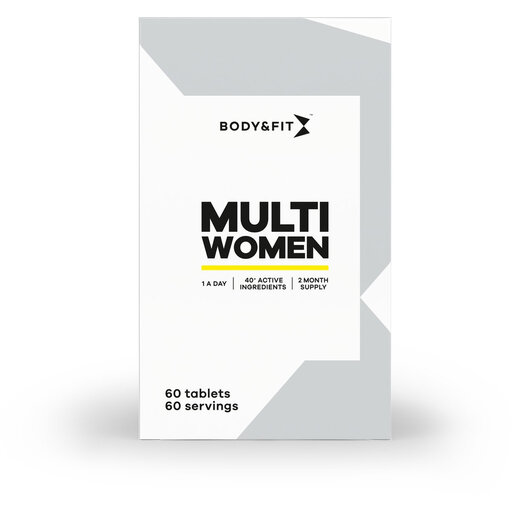
Why this fits the profile: Suitable for anyone who wants to compare many ingredients in one tablet, including vitamins, minerals, plant extracts and enzymes.
The product information lists the amounts per tablet, such as 20 micrograms of vitamin D3, 14 mg of iron, 150 micrograms of iodine and 56.3 mg of magnesium.
More than 30 listed active ingredients and 60 daily portions at 1 tablet per day. According to the product information, the product is vegan.
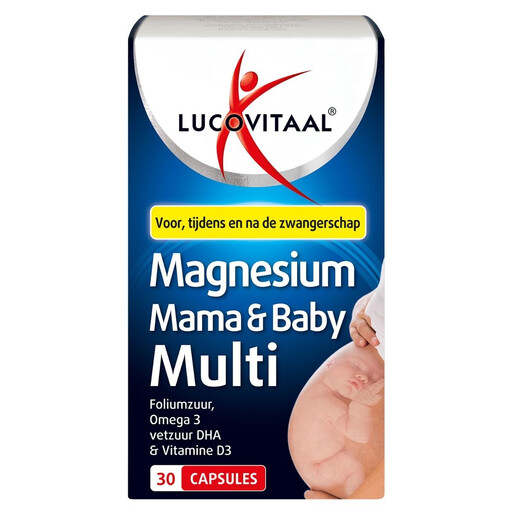
Why this fits the profile: Aimed at women who are trying to conceive, are pregnant or are looking for a formula with folic acid, vitamin D3, magnesium and DHA after pregnancy.
The product description explicitly states the target group and the daily amounts of DHA. Always check whether the formula suits your personal situation.
Contains, according to the label, 200 mg DHA, 100 mg EPA, folic acid and vitamin D3. The product information mentions use before, during and after pregnancy.
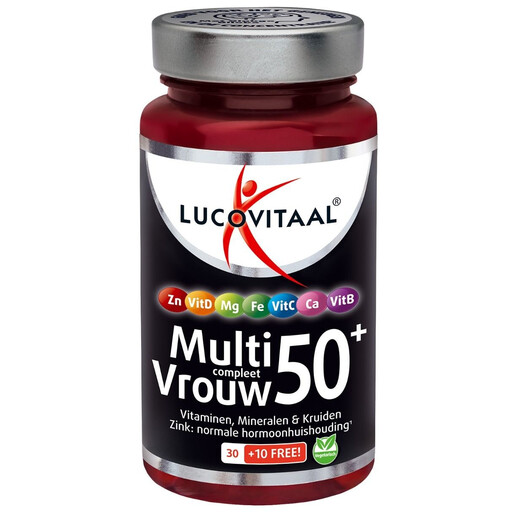
Why this fits the profile: For women aged 50 and over who want to compare a formula with vitamin K, calcium, vitamin D3 and a vegan product specification.
The nutritional values are shown per tablet. This means you can compare calcium, iron, iodine and vitamin D directly against other women's multivitamins.
Contains, according to the product information, vitamin A, B-complex, C, D3, E and K plus calcium, iron and iodine. Ginkgo biloba is included as a plant extract.
Biotin for hair and skin often appears in high dosages. Lucovitaal Biotin 10,000 Mcg Forte contains, according to the label, 10,000 micrograms of biotin per lozenge. That's a clear product specification, but a high dosage doesn't automatically make the product suitable. Report biotin use during medical tests, as high intakes can affect some laboratory tests.
The same applies to magnesium for women, vitamin B12 and folic acid: look at the amount, form and combination with other supplements. With products for women's hormone balance or the menopause, extra caution is important if you're using hormonal medication, anticoagulants or other medicines.
We've put together a full, up-to-date list of products that fully meet these strict selection criteria and comply with current European safety regulations.
With vitamins during pregnancy and the period before, pay particular attention to folic acid and vitamin D. Products such as Lucovitaal Folic Acid + Vitamin D3 state 400 micrograms of folic acid and 10 micrograms of vitamin D3 per tablet. Discuss your choice with a midwife or doctor, especially if you're taking medication or have a medical condition.
Sometimes you can, but first check for overlap in vitamin A, D, iron, iodine, magnesium and folic acid. Combining a multivitamin with a separate product for hair, skin or the menopause can significantly increase your total intake. Follow the recommended dosage on the label and seek professional advice if in doubt.
The expiry date is on the packaging and applies as long as the product is stored according to the storage instructions. Do not exceed the recommended daily amount. Stop if you experience discomfort and consult a healthcare professional if symptoms persist or if you are pregnant, breastfeeding or taking medication.
