
Vandaag of morgen in huis

Kwaliteit gegarandeerd

Welkomstaanbiedingen ontgrendelen: GRATIS bezorging | Tot 80% korting | Gratis 30 dagen JoyPlus-proefperiode
Download de app
Choosing a suitable vitamin supplement for a child may seem straightforward, but there are significant differences between drops, liquid multivitamins, chewable tablets and gummies. Age, dosage, ingredients and how the product is taken all determine whether it fits into your daily routine.
Pay particular attention to these common pitfalls:
First, check the intended age group and the recommended daily amount. For babies and young children, vitamin D drops are often more straightforward than a comprehensive vitamin supplement. In the Netherlands, children up to the age of 4 are generally advised to take 10 micrograms of vitamin D every day. For children aged 4 and over, additional vitamin D may be relevant according to the product information if they spend little time outdoors or have dark skin.
Always check the latest information from the Netherlands Nutrition Centre or the government, and follow the label. The recommended amount varies by product: some drops provide 10 micrograms in 5 drops, while others do so in 10 drops.
When choosing children’s vitamins, look beyond the listed vitamins and check the excipients and allergens too. Important points include:
A claim such as “free from artificial colourings” should be read as a product specification, not as proof that the product is suitable for every child.
Drops are usually practical for babies. A parent can give them on a spoon without the child having to chew. For toddlers, a liquid multivitamin can be useful, for example when swallowing or chewing is still difficult. Children aged 3 and over can often manage chewable vitamins or children’s multivitamin gummies.
Make sure a responsible adult supervises use. Gummies and chewable tablets must not be treated like sweets. Keep the container out of the reach of young children and do not exceed the recommended daily dose.
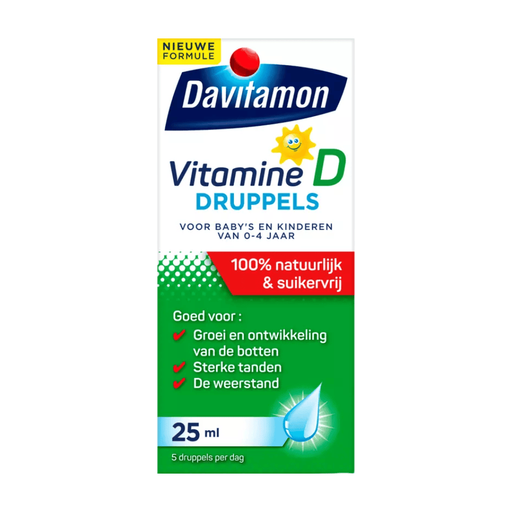
Why it suits this profile: A simple choice for parents who only want to supplement vitamin D and are not looking for a complete multivitamin. According to the product information, 5 drops provide 10 micrograms of vitamin D3.
The dosage is clearly stated and, according to the label, the formula contains only sunflower oil and vitamin D.
Suitable for babies and children up to the age of 4 according to the product description; oil providing 10 micrograms of vitamin D3 per daily dose.
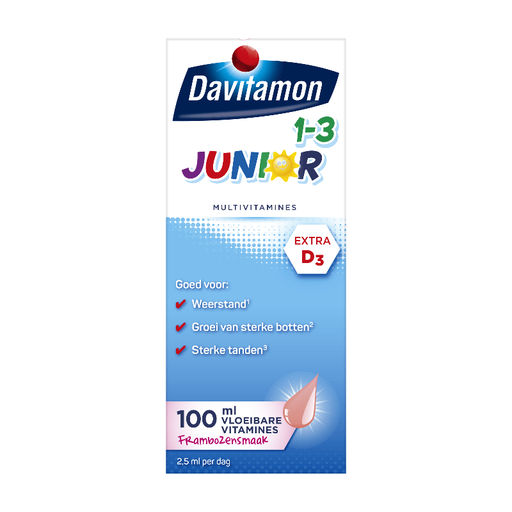
Why it suits this profile: For parents of toddlers who want to combine several vitamins in a liquid multivitamin.
The dosage is 2.5 ml per day and the product comes with a measuring cap, so there is no need to guess the amount.
According to the label, contains 13 vitamins, including 10 micrograms of vitamin D3 per daily dose; suitable for children aged 1 to 3.
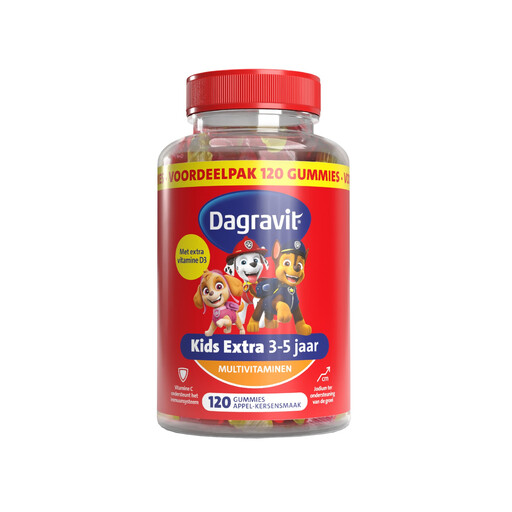
Why it suits this profile: An option for children aged 3 and over who struggle with tablets and are happy with a chewable format with apple and cherry flavour.
The packaging clearly states that the product is for children aged 3 and over and that the recommended amount is 1–2 gummies per day.
According to the product information, the daily dose of 2 gummies contains 10 micrograms of vitamin D3, plus vitamin C, vitamin E, B vitamins, zinc and iodine.
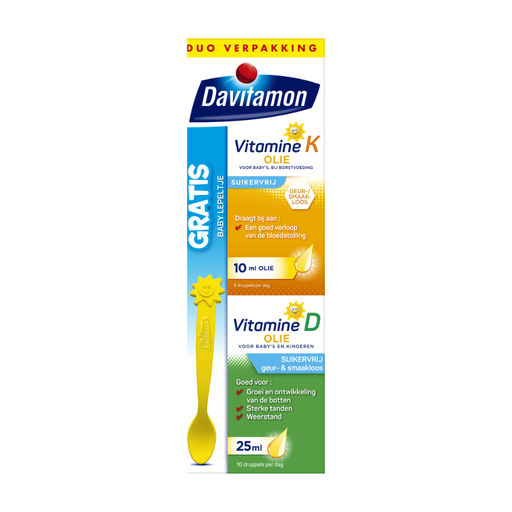
Why it suits this profile: For parents who want to combine vitamin D for babies and children with vitamin K for a breastfed baby during the recommended period.
The two oils have separate drop dosages: 10 drops of vitamin D and 5 drops of vitamin K according to the label.
Sugar-, gluten- and lactose-free according to the product description; contains refined peanut oil, which should be taken into account in the case of allergies.
We have put together a complete, up-to-date list of products that fully meet these strict selection criteria and the applicable European safety regulations.
That depends on their age, diet and personal circumstances. Liquid multivitamins and melt-in-the-mouth tablets are available for children aged 1 to 3. From the age of 3, chewable vitamins, gummies and chewable tablets are available. Always check the age indication and dosage. A vitamin supplement for children is not a substitute for a varied diet.
Gummies can be practical when a child does not want to swallow a tablet. However, check the sugar content, sweeteners used, gelatine and recommended amount. Give them under supervision and store them out of reach. A gummy should not be treated like a sweet.
Not without checking the total amount first. Different children’s vitamins may already contain vitamin D. Add up the amount from all products and follow the instructions on the packaging. If in doubt, or in the event of medication use, a medical condition or an allergy, consult your GP, pharmacist or child health clinic.
