
Vandaag of morgen in huis

Kwaliteit gegarandeerd

Welkomstaanbiedingen ontgrendelen: GRATIS bezorging | Tot 80% korting | Gratis 30 dagen JoyPlus-proefperiode
Download de app
Buying a tub of children’s vitamins seems simple, until you have to choose between drops, gummies, chewable tablets and drink powders. Age range, dosage, ingredients and ease of use vary considerably from one product to another. A cheerful package therefore says little about whether a supplement is right for your child.
The most common buying mistakes are:
Always start with your child’s age. For babies, vitamin D drops are usually easier to dose than a multivitamin. Chewable tablets and gummies are generally intended for children who can chew safely.
Pay attention to the difference between:
According to product information from various brands, the Dutch Health Council advises 10 micrograms of vitamin D daily for young children. If in doubt, follow the advice of your child health clinic, GP or pharmacist.
Don’t just look at the front of the packaging; check the full ingredients list too. In particular, look for:
A sugar-free formula does not automatically mean that a product contains no sweeteners. With some products, excessive consumption of the sweeteners used may have a laxative effect.
The best format is above all the one your child can use safely and as instructed. Drops are convenient for babies, while chewable multivitamin tablets may be suitable for children who can chew tablets properly. Gummies are practical for children who struggle to swallow, but always keep them out of reach. They can look like sweets.
Also pay attention to:
Food supplements are not a substitute for a varied diet. Never give more than the recommended daily amount.
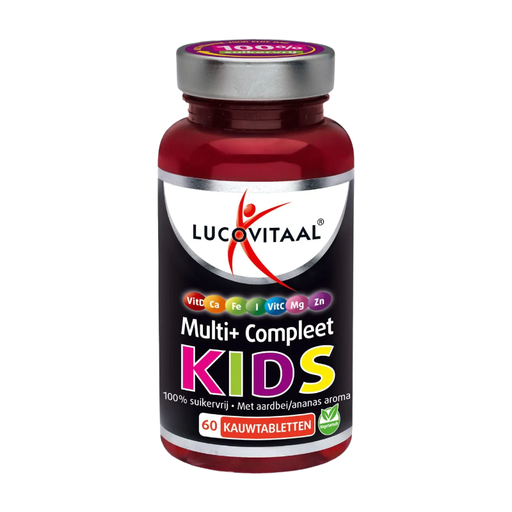
Why it suits this profile: According to the product description, these chewable tablets are intended for children aged 3 to 12. The dosage and age range are clearly stated.
The age limit helps prevent you from choosing an adult formula for a younger child. Always check the current packaging and recommended dosage.
Chewable tablet with strawberry and pineapple flavour; according to the product description, sugar-free and free from artificial flavourings and colourings.
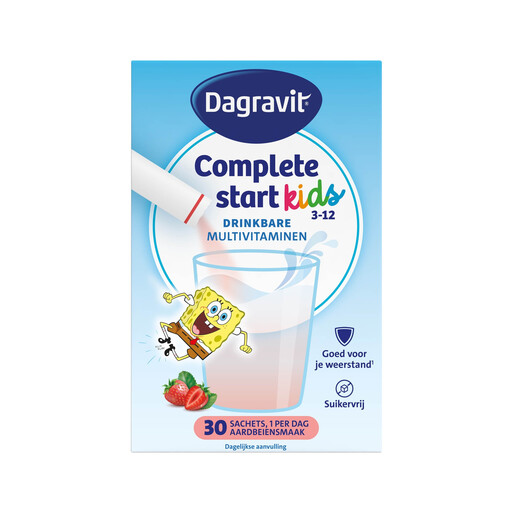
Why it suits this profile: For children aged 3 to 12 who would rather have a drink than take a tablet. Dissolve one sachet in 200 ml of water.
The sachet format makes the amount per serving clear. There is no need to combine several gummies or tablets.
According to the product information, lactose-, gluten- and sugar-free; contains vitamin D3, C and B vitamins, calcium and zinc, among other nutrients.
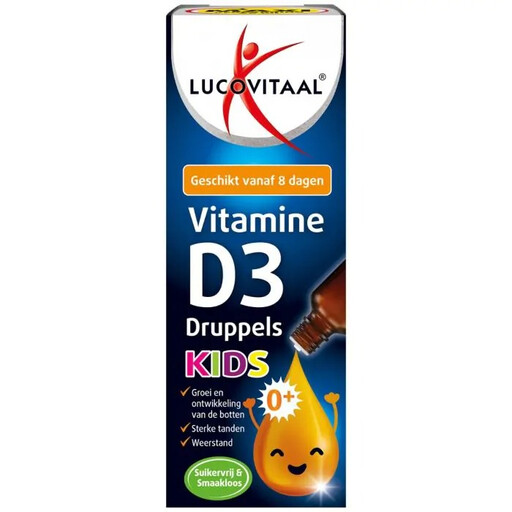
Why it suits this profile: A practical choice for parents who only want to give vitamin D and are not looking for a broad multivitamin. According to the product information, it is suitable from 8 days after birth.
According to the label, the formula contains only sunflower oil and vitamin D3. This makes the ingredients list quick to check.
Dropper bottle for easy dosing; according to the usage instructions, take 6 drops once a day, preferably during or after a feed.
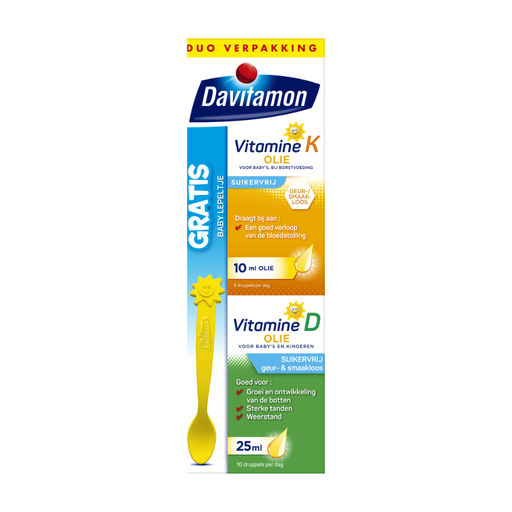
Why it suits this profile: According to the product description, this combination pack has been developed for breastfed babies and contains separate bottles of vitamin D and vitamin K.
The two oils have separate dosing instructions. This helps prevent confusion, but always check which dosage is right for your baby.
According to the product information, contains 10 micrograms of vitamin D per daily dose and a separate vitamin K product; contains refined peanut oil.
We’ve put together a complete, up-to-date list of products that fully meet these strict selection criteria and the applicable European safety regulations.
This depends on their age, diet and individual circumstances. Vitamin D is a commonly discussed supplement for young children. A multivitamin may contain several vitamins and minerals, but it is not a substitute for a varied diet. Discuss any specific needs with your child health clinic, GP or pharmacist.
Not every gummy is suitable for toddlers. Check the minimum age, recommended amount and whether your child can chew safely. Many vitamin gummies for children are only intended for ages 3 or 5 and above. Also keep them out of reach, as their shape and flavour can make them look like sweets.
Follow the best-before date, storage instructions and recommended period after opening shown on the packaging. Some products, such as drops, have a limited shelf life once opened. Do not use a supplement if its smell, colour or texture has clearly changed. Only combine different children’s vitamins after checking the total dosage.
