
Vandaag of morgen in huis

Kwaliteit gegarandeerd

Welkomstaanbiedingen ontgrendelen: GRATIS bezorging | Tot 80% korting | Gratis 30 dagen JoyPlus-proefperiode
Download de app
When you buy vitamins and food supplements online, you quickly come across high doses, broad health claims and large packs. This can make comparisons difficult. A product labelled “extra strong” will not automatically suit your diet, age or intended use.
As a Joybuy Product Recommendation Officer, I filter product information based on practical details: dosage, ingredients, format, quantity and usage restrictions. This helps you see more quickly which supplements suit your circumstances and which marketing claims should be viewed with a degree of caution.
A high amount may sound appealing, but it is not necessary for everyone. For example, Lucovitaal Vitamin C 1000 mg contains 1000 mg of vitamin C per capsule, equivalent to 1250% of the reference intake. This is a verifiable product specification, not proof that this dose is suitable for every adult. According to the product information, excessive use may cause gastrointestinal discomfort in sensitive individuals.
Pay attention to:
“Magnesium” or “omega 3” does not tell you enough. Check the form and the actual amount of active ingredient. With fish oil, the difference between total fish oil and the individual amounts of EPA and DHA is important. With magnesium, check whether the stated amount refers to the compound or to elemental magnesium.
The capsule itself also matters. For example, a vitamin D3 capsule containing gelatine is not vegan, whereas a capsule made from hydroxypropyl methylcellulose may be plant-based.
Food supplements are intended to complement a varied diet. They do not replace a meal and will not automatically resolve persistent symptoms. Products for bloating or irritable bowel syndrome may be a different type of product, such as a medical device. In that case, follow the instructions for use and check warnings relating to medication, age and allergies.
If you experience persistent fatigue, abdominal pain, weight problems or other symptoms, it is sensible to consult a doctor or pharmacist.
A supplement you forget to take every day offers little practical benefit. Check how many capsules or tablets you need to take each day. Lucovitaal Vitamin D3 25 mcg is available in a pack of 120 capsules and in a 365-capsule version. Both product descriptions state that you should take one capsule per day, but the pack size determines how often you need to reorder.
For magnesium bisglycinate, Lucovitaal’s product information states 375 mg and recommends taking two tablets per day. The pack contains 90 tablets. Also note the warning that it may have a laxative effect.
Always check the complete ingredients list. Important examples include:
The statement “contains none of the 14 major EU allergens” applies only to the specific product and the product information provided. Check the label again before use, particularly if you have allergies or intolerances.
A vitamin, food supplement and medical device are not the same thing. The Lucovitaal IBS Capsules and Bloating Relief Capsules are described as medical devices. The former is intended for adults and children aged 12 and over experiencing symptoms such as gas, diarrhoea or constipation; the latter is intended for abdominal pain, pressure, belching and flatulence. These product descriptions are not a medical diagnosis and are not a substitute for professional advice.
Obesimed Forte and Obesimed Max Forte are also medical devices intended for adults. The product information links their use to a calorie-restricted diet or a specific target group. Read the leaflet before ordering, and do not combine such products with medication or other remedies without advice.
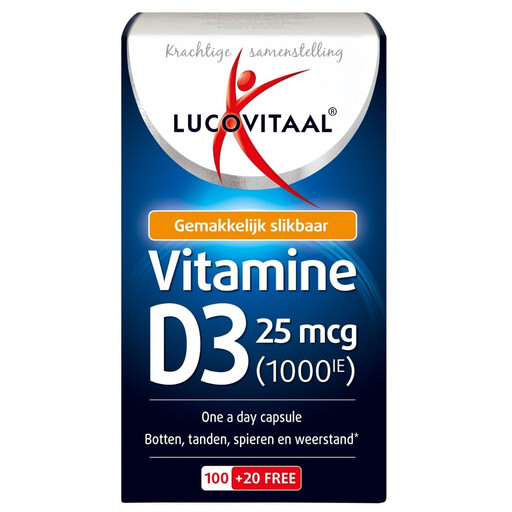
Why it suits this profile: A simple once-daily formula with 120 capsules, suitable for adults who want to add vitamin D3 without an extensive blend.
The 25 mcg dosage and recommendation to take one capsule per day are clearly stated. The formula does not contain an unnecessary combination of several vitamins.
120 capsules, 25 mcg of vitamin D3 per capsule and a small capsule. Please note: this product contains gelatine.
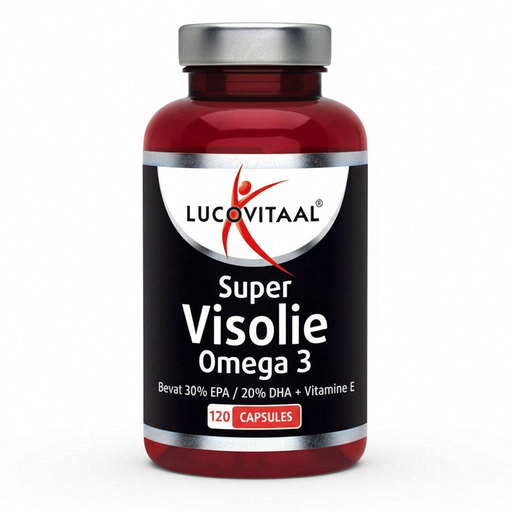
Why it suits this profile: For shoppers who look beyond “omega 3” and want to check the EPA, DHA and total daily amount.
The product specification states 2000 mg of fish oil, 1204 mg of omega 3, 600 mg of EPA and 400 mg of DHA per two capsules. This means you do not have to rely on a marketing term alone.
120 capsules with clear EPA and DHA values. Contains fish and is not vegan; according to the product information, it is not suitable during pregnancy or breastfeeding.

Why it suits this profile: A vegan magnesium product for adults specifically looking for magnesium bisglycinate and able to follow a consistent daily routine.
The form, quantity and usage instructions are specified: 375 mg per day, divided between two tablets. The possible laxative effect is also stated.
Vegan formula, 90 tablets and a clearly stated form: magnesium bisglycinate.
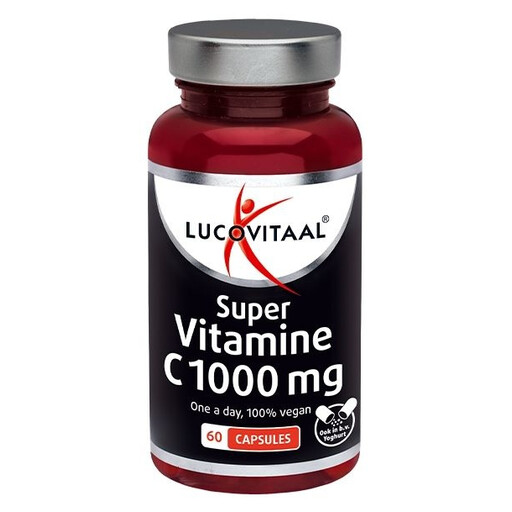
Why it suits this profile: A capsule with one clearly defined main ingredient for adults who value a vegan formula and simple dosage.
The product information states 1000 mg of vitamin C per capsule, 60 capsules and one capsule per day. The capsule can be opened and mixed with yoghurt or juice if preferred.
Vegan capsule, one product per day and none of the 14 major EU allergens according to the product information provided.
We have put together a complete, up-to-date list of products that fully meet these strict selection criteria and the applicable European safety regulations.
This depends on your diet, age, lifestyle and personal circumstances. First consider what you actually need and avoid doubling up on doses from, for example, a multivitamin, vitamin D3 and a separate zinc product. Check the recommended amount on the label. If you are pregnant, take medication or have a diagnosed deficiency, it is advisable to seek guidance from a doctor or pharmacist.
Follow the expiry date and storage instructions on the packaging. Many products should be stored in a cool, dry place away from direct sunlight. According to the product information, some supplements, such as fish oil, retain their quality better in the fridge after opening. Close containers securely and do not use a product if its smell, colour or texture has clearly changed.
Do not look only at the price of the pack. Divide the price by the number of daily doses. A tub containing 120 tablets may appear more expensive than a pack of 30 tablets, but it could work out cheaper per day. Also compare the amount of active ingredient, the dosage and any delivery costs. This allows you to assess the true cost rather than simply the price shown on the product page.
