
Vandaag of morgen in huis

Kwaliteit gegarandeerd

Welkomstaanbiedingen ontgrendelen: GRATIS bezorging | Tot 80% korting | Gratis 30 dagen JoyPlus-proefperiode
Download de app
There’s a wide range of vitamins and food supplements available online for immune support, bladder health, sleep and skincare. But products differ in more than just brand or price. A high dose isn’t automatically right for you, and a large pack may be inconvenient if you don’t use the product every day.
Use this practical checklist to compare products based on details you can verify. That way, you’re less likely to pay mainly for an attractive claim or colourful packaging.
Percentages above the recommended reference intake can quickly catch your eye on packaging. But that alone doesn’t mean a product is suitable for everyone. Check the amount per tablet or daily dose, the recommended age and any warnings.
For example, a product containing 1,000 mg of vitamin C isn’t the same as a multivitamin with moderate amounts of several nutrients. So start by thinking about your needs: are you looking for a vitamin C supplement, a multivitamin for adults or a standalone zinc supplement?
According to information provided by brands, vitamins C and D and zinc can contribute to the normal function of the immune system. These permitted nutrition claims don’t guarantee that a supplement will prevent illness or treat symptoms. Claims for herbal products, such as an echinacea supplement or sleep supplement, may also depend on European approval or the wording on the label.
Always check:
A food supplement is no substitute for a varied diet. If you have persistent symptoms, take medication, are pregnant or have a medical condition, it’s sensible to speak to a doctor or pharmacist.
A tub of 300 tablets may look like good value, but compare the cost per recommended daily dose. Some products require four chewable tablets a day, while others call for just one capsule or tablet. Shelf life, storage and pack size also matter.
Check the ingredients list and nutrition table. Look at the form of the nutrient, the amount per serving and the reference intake (RI). A supplement may combine several ingredients, such as vitamin C with zinc and echinacea, but that doesn’t automatically make it suitable to take alongside other supplements.
If you already take a multivitamin, check that you’re not unnecessarily doubling up on the same vitamins and minerals. This is particularly relevant for vitamin D3, zinc, iron and vitamin A.
A product you can take consistently may fit your routine better than one with a complicated schedule. Check whether you should take the supplement with water, with a meal or at a particular time of day.
Examples from the range:
Always follow the recommended dosage on the pack. Don’t exceed it.
If you’re looking for vegan supplements or sugar-free vitamins, check the full ingredients list rather than just the front of the pack. Look out for gelatine, milk ingredients, sweeteners and other additives.
Also distinguish between:
Use a medical device according to its instructions. If you have urinary symptoms or recurring problems, self-care is no substitute for medical advice.
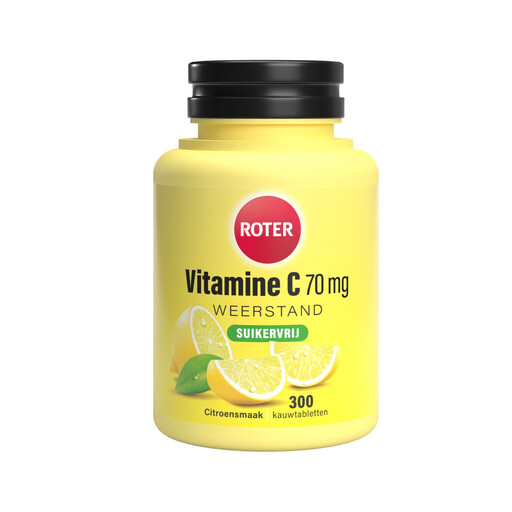
Why it suits this profile: A large number of chewable tablets and a sugar-free formula may suit anyone who wants to add vitamin C to their daily routine with ease.
The product information clearly states that the recommended daily dose for adults is four tablets. This makes it easier to estimate how long the pack will last.
300 chewable tablets, lemon flavour according to the product description, and no sugar in the formula.
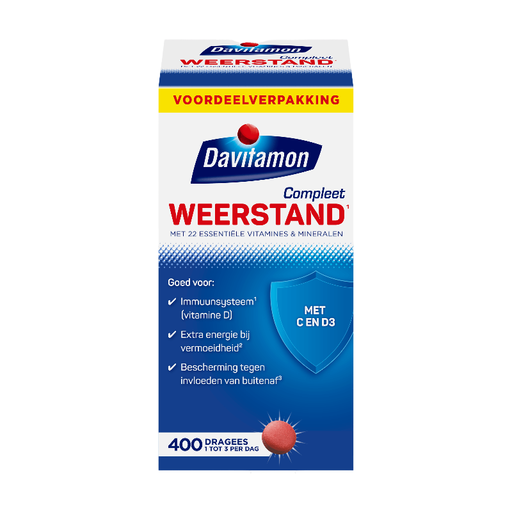
Why it suits this profile: If you’re looking for a broad-spectrum product, the product information says this formula combines a range of vitamins and minerals.
The ingredients and amounts per one to three dragees are specified, making it easier to compare with other multivitamins for adults.
Contains vitamins C and D3, zinc, selenium and iron, among other ingredients; the product information describes a formula free from gluten, lactose and gelatine.
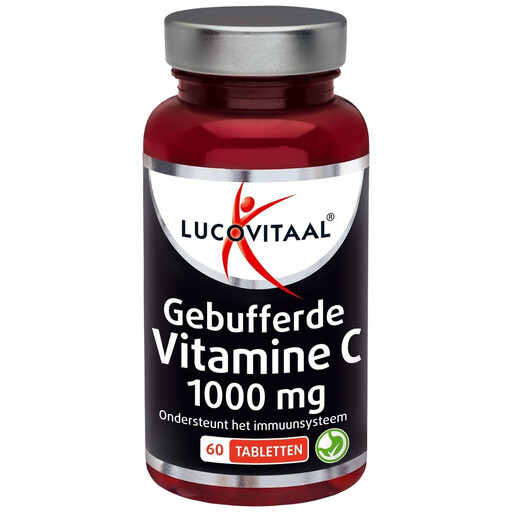
Why it suits this profile: This product is aimed at adults and children aged 12 and over who prefer taking one tablet a day and are specifically looking for a buffered form of vitamin C.
The one-tablet daily dose and the amount of 1,000 mg of vitamin C are clearly stated. This lets you check your daily intake in advance.
Buffered vitamin C with calcium and magnesium ascorbate; according to the product information, it’s vegan and suitable from the age of 12.
For bladder support, cranberry capsules are a food supplement, while Lucovitaal Bladder Infection Direct is described as a medical device. The product information lists D-mannose and a limit on how long it should be used. Read the instructions and contact a healthcare professional if you have pain, a fever, blood in your urine or persistent symptoms.
A sleep supplement containing valerian, passionflower, vitamin B12 and melatonin calls for extra attention to warnings. Valdispert’s product information mentions possible effects on your ability to drive, as well as restrictions for certain conditions or medications.
A probiotic skin serum is a cosmetic product, not a food supplement. Germinal Deep Action comes in ampoules for external use. OLAY Vitamin C Serum contains vitamin C, AHA and niacinamide; according to the product information, use UV protection during the day and stop using it if irritation occurs.
We’ve put together a full, up-to-date list of products that meet these strict selection criteria and the applicable European safety requirements.
Check the best-before date on the pack and follow the storage advice. Many products should be kept in a cool, dry, dark place. Close tubs tightly and keep them out of reach of young children.
This depends on the ingredients, but first check for overlap in vitamins D and C, zinc, iron and vitamin A. Add up the amounts from all your products and follow the recommended doses. If you take medication or have a medical condition, you can discuss this with a doctor or pharmacist beforehand.
Compare the price per daily dose, not just the number of capsules or tablets. A large pack is only practical if the recommended daily intake, shelf life and format suit you. This helps you avoid finding that a low price per item has led to a less suitable purchase.
