
Vandaag of morgen in huis

Kwaliteit gegarandeerd

Welkomstaanbiedingen ontgrendelen: GRATIS bezorging | Tot 80% korting | Gratis 30 dagen JoyPlus-proefperiode
Download de app
When you search for vitamins and food supplements, you’ll quickly come across dozens of pots labelled “high dose”, “complex” and “extra immunity”. This makes comparing them tricky. A higher dosage isn’t automatically the right choice, and a long list of ingredients means little if you don’t know what you want the product for.
As Joybuy Product Recommendation Officer, I filter market information by practical criteria: composition, daily dosage, format, target audience and dietary preferences. That way, you avoid paying for ingredients you don’t need.
“High dose” or “extra strength” sounds appealing, but more isn’t always necessary. Look at the amount per recommended daily dose and compare it with the reference intake (RI) on the label. Also watch out for double intake when you use multiple products, such as a multivitamin alongside calcium magnesium zinc.
A brand can describe the properties of herbs, collagen or bacterial strains. Don’t treat such claims as guaranteed results. According to the brand’s own research or the product description, a formula might be intended for energy, skin or gut health. Always check which health claims are permitted under European regulations and what actually appears on the label.
With Lucovitaal Super Collagen, for example, it states that vitamin C contributes to normal collagen formation. That’s quite different from a guarantee of visible skin results.
A capsule, tablet, melt tablet or chewable tablet isn’t suitable for everyone. If you struggle with swallowing, you could look at chewable vitamin tablets or melt tablets. Probiotics sometimes need extra attention when it comes to storage. The Lucovitaal 3-in-1 Bioticomel, for instance, notes that the packaging can be kept in the fridge after opening. Always follow the current instructions on the packaging.
Don’t start with the brand – start with your goal:
Also check for allergens and suitability for children, pregnant women or people taking medication.
A pot of 180 tablets might seem good value, but calculate how long it will last based on the recommended dosage. Centrum Select 50+ states one tablet per day and contains 180 tablets. With some chewable tablets, the dosage varies by age: according to the product information, children from 3 years take one tablet per day, while adults from 12 years take two tablets per day.
Watch out for contradictions between the product page and the packaging. With Lucovitaal Calcium Magnesium Zinc, the information mentions both one and two tablets per day. In such a case, use the most recent packaging or ask a healthcare professional for advice.
A multivitamin for men or multivitamin for women may have a targeted formula, but above all compare the nutritional values. For women trying to conceive, folic acid is a key consideration; a general women’s product isn’t automatically a substitute for personal advice.
For supplements for the over-50s, vitamin D, B vitamins, calcium and magnesium may be relevant. However, needs vary from person to person. Also check whether the product is vegan, vegetarian, gluten-free or lactose-free. Product information can differ on this point, so read the label before purchasing.
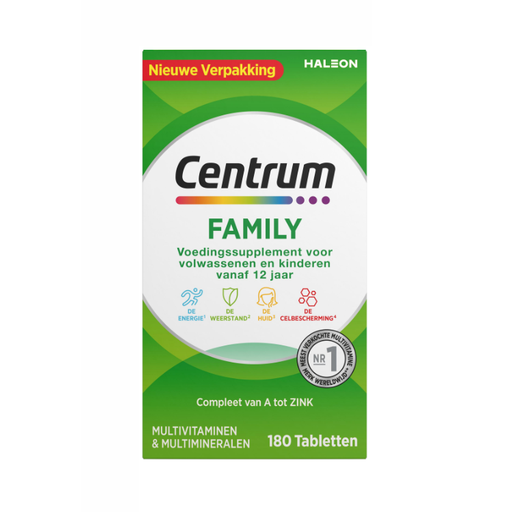
Why This Fits Their Persona: A bulk pack for adults and children from 12 years who want one daily multivitamin.
The product information states the amount per tablet and a recommended dosage of one tablet per day.
180 tablets; contains, among others, vitamin A, B-complex, C, D, E, K and several minerals; according to the product information, gluten- and lactose-free.
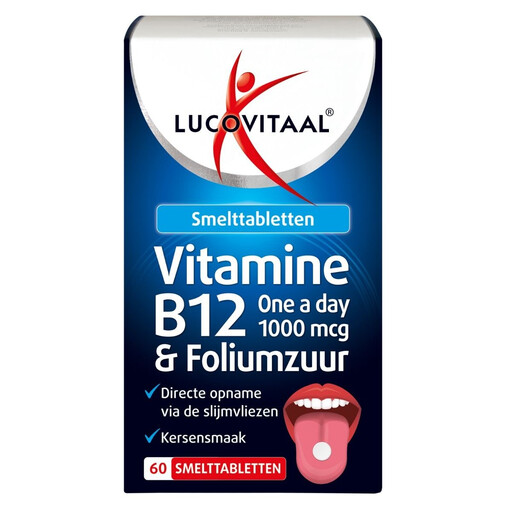
Why This Fits Their Persona: For adults who prefer a targeted formula and a melt tablet over a standard capsule.
The amount is clearly specified: 1000 mcg B12 and 300 mcg folic acid per tablet. The effect of the melt format should not be separated from the label information.
60 vegan melt tablets; one tablet per day according to the product information; none of the 14 main EU allergens listed.
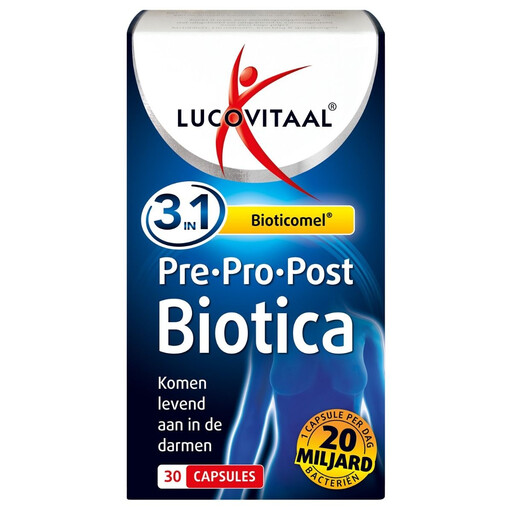
Why This Fits Their Persona: For adults who want to combine probiotics with prebiotics and postbiotics in one daily capsule.
The label lists six live bacterial strains, 20 billion CFU, 60 mg prebiotics and 2 billion postbiotics. Check the storage instructions after opening.
30 capsules; one capsule per day; vegan according to the product information; also contains 60 mg vitamin C.
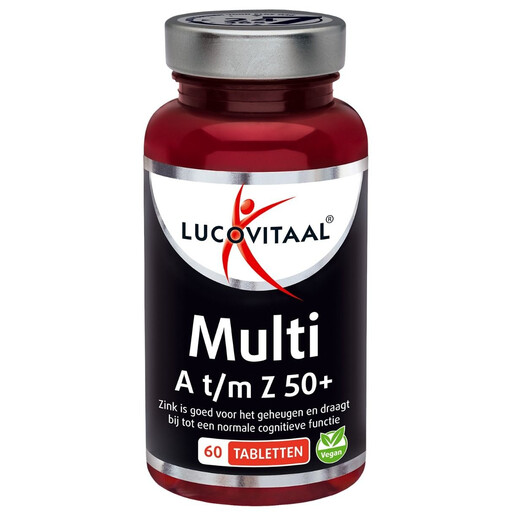
Why This Fits Their Persona: For men and women aged 50 and over who want one daily tablet with multiple vitamins and minerals.
The formula and target audience are clearly stated. You can check the amounts per nutrient rather than relying solely on the term 50+.
60 vegan tablets; one tablet per day; according to the product information, contains, among others, vitamin D, calcium, magnesium, zinc and B12.
For supplements for energy and immunity, multivitamins with B vitamins, vitamin C, vitamin D and zinc are popular. The product description of Lucovitaal Multi Complete Vitamins & Minerals mentions these nutrients, but check the exact amounts and the recommended age.
If you’re specifically looking for supplements for skin and hair, you could consider a collagen supplement or a formula with vitamin C, zinc and biotin. According to the product information, Lucovitaal Super Collagen contains 2000 mg of hydrolysed collagen per daily dose and vitamin C. The vegan variant states 500 mg of collagen from eggshell membrane; “vegan” and “vegetarian” are not the same, so check the current packaging.
Separate options exist for men and women, such as Lucovitaal Multivitamin for Men and Lucovitaal Multivitamin for Women. The women’s variant lists extra folic acid, while the men’s variant contains, among others, zinc. This makes these products targeted, but not automatically suitable for every individual situation.
Browse a current selection of vitamins and food supplements with filters for composition, target audience, dosage and format.
Check the expiry date, the recommended dosage and the storage instructions. A product with 60 tablets, at one tablet per day, will last about two months. Do not use a pack if the seal is damaged or if the product has been stored incorrectly.
This can lead to double intake of the same vitamins or minerals. So compare all labels, especially for vitamin D, zinc, iron, calcium and vitamin A. Are you taking medication, pregnant or breastfeeding, or do you have a medical condition? If so, first ask a doctor, pharmacist or other qualified healthcare professional for advice.
No. “Vegan” describes the origin of the ingredients, not whether the product suits your nutritional needs. Check the dosage, allergens, age limit and any warnings. With probiotics, the bacterial strains and storage method can also be more important than just the vegan label.
