
Vandaag of morgen in huis

Kwaliteit gegarandeerd

Welkomstaanbiedingen ontgrendelen: GRATIS bezorging | Tot 80% korting | Gratis 30 dagen JoyPlus-proefperiode
Download de app
When you buy vitamins and food supplements, you’ll quickly come across terms like “high dose”, “support” and “complete formula”. On their own, these words don’t mean much. A supplement needs to suit your age, lifestyle, diet and the reason you want to take it.
Whether you’re looking for multivitamins, vitamins for men, vitamins for women, vitamins for children or a targeted product like a magnesium supplement: always compare the ingredients and the recommended dosage. That way, you avoid paying for nutrients you don’t need, or accidentally combining several products.
A product labelled “MAXI” or “high dose” can be useful if you’re deliberately aiming for a higher intake, but more isn’t necessary for everyone. Pay attention to the amount per daily dose, not just the amount per tablet or capsule. Also check the reference intake (RI) on the label.
With a multivitamin, different products can contain the same nutrients, such as vitamin D, zinc, magnesium or vitamin B6. If you’re also taking a separate zinc supplement, magnesium supplement or vitamin gummies, you could unintentionally be stacking them.
A brand may promote certain properties of a product, but that doesn’t make every claim a guaranteed effect. According to Ymea’s own information, some claims about sage, maca, cayenne and artichoke, for example, are still awaiting European approval. So look instead at the actual ingredients, amounts and authorised health claims.
A libido supplement, testosterone support or menopause supplement does not replace a medical assessment. If you’re taking medication, are pregnant, breastfeeding or have an existing condition, it’s wise to consult a doctor or pharmacist.
Gummy vitamins and chewable tablets are easy to take, but they sometimes contain sweeteners. Overuse can have a laxative effect. Also, gummies aren’t automatically suitable for children: always check the minimum age.
Also watch out for allergens. A glucosamine chondroitin MSM product, for example, may contain shellfish. Omega 3 fish oil is not vegan and may contain fish or soya. “Vegetarian”, “vegan”, “gluten-free” and “lactose-free” are different properties; check them separately.
A general multivitamin is not the same as a product for a specific group. Examples:
Always read who the product is intended for. A product for adults is not automatically suitable for children.
Don’t just compare the number of tablets. Look at the recommended daily amount and work out how many days a pack will last. A pot of 120 tablets, for example, may last 120 days at one tablet per day, but only 60 days at two tablets per day.
With smartsleep SLEEP+, the product information is based on 1 capsule per evening and 30 capsules per pack. The product contains 1 mg of melatonin per capsule. According to the usage information, it is not intended for people under 18, and you should not drive or operate machinery after taking it.
The form affects ease of use, but not automatically its suitability. Look out for:
A calcium supplement, for example, may be combined with vitamin D3. A magnesium supplement may be targeted at a specific magnesium compound. Compare the elemental amount when it’s stated on the label, and always follow the recommended dosage.

Why this fits the profile: An easy choice for adults and children from 3 years old who prefer chewing to swallowing tablets. Check the age and daily dosage per age group on the packaging.
The product information clearly states a minimum age of 3 years, a chewable form and the vitamins and minerals it contains. This lets you compare on content rather than just marketing terms.
Chewable tablets, a combination of vitamins and minerals and, according to the product information, free from artificial flavours and colours.

Why this fits the profile: Suitable for adults who want to compare the specific magnesium form and dosage, and who are looking for a vegan product.
The packaging states magnesium bisglycinate and 375 mg per recommended daily dose. This means you can compare the ingredients directly with other magnesium products.
90 tablets, vegan formula and a clearly stated magnesium compound. The product information notes that a laxative effect may occur.
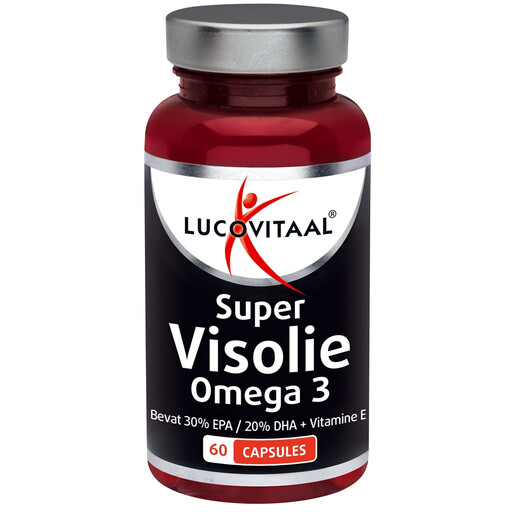
Why this fits the profile: For adults who want to add targeted omega 3 fish oil with EPA and DHA to their daily routine.
The ingredients specify per two capsules 1,204 mg omega 3, including 600 mg EPA and 400 mg DHA. That’s clearer than just the term “fish oil”.
60 capsules, added vitamin E and a clear EPA and DHA listing. The product contains fish and soya and is not vegan.

Why this fits the profile: For adults who find a chewable form convenient and who specifically look for biotin and zinc in a hair vitamin.
The product information states the recommended amount of two gummies and lists the nutrients per daily dose. This stops you from selecting based on flavour alone.
60 gummies, vegan according to the product details and 5,000 µg biotin per daily dose. Contains sweeteners and must be used within the stated period after opening.
We’ve put together a full, up-to-date list of products that fully meet these strict selection criteria and comply with current European safety regulations.
This varies per product, dosage and personal situation. A pack usually gives a recommended daily dose and storage advice. Don’t use a supplement for longer or at a higher dose than stated without professional advice.
Sometimes you can, but first check whether ingredients overlap. A multivitamin, for example, may already contain vitamin D, zinc, magnesium or calcium. Add up the amounts from all products and, if in doubt, ask a doctor or pharmacist for advice.
Not automatically. Check the minimum age, recommended amount and warnings. Some products are intended from 3 years old, others only from 5 years old. Also keep gummies out of reach of children, as they can easily be mistaken for sweets.
