
Vandaag of morgen in huis

Kwaliteit gegarandeerd

Welkomstaanbiedingen ontgrendelen: GRATIS bezorging | Tot 80% korting | Gratis 30 dagen JoyPlus-proefperiode
Download de app
A tub of vitamins and food supplements may seem like a quick choice. Yet products vary considerably in dosage, target audience, ingredients and ease of use. An eye-catching label featuring words such as “forte”, “maxi” or “complete” does not tell you much on its own. The important question is: does the formula suit your needs and how you intend to use it?
In this guide, you’ll learn what to look for when choosing multivitamins, vitamin D3, magnesium bisglycinate, omega 3 fish oil, collagen supplements and products for hair, skin, men, women or children.
More micrograms or milligrams may sound appealing, but they could be unnecessary if you already use other supplements. Therefore, check the recommended daily dosage and add up overlapping nutrients. This is particularly important for vitamin D, zinc, vitamin B6, iron and biotin.
For example, a vitamin D3 capsule containing 75 mcg is a different choice from one containing 25 mcg. According to the product information, Lucovitaal Vitamin D3 75 mcg is intended for adults and is not suitable for children under 10. Don’t choose based solely on the number displayed on the front.
A supplement is no substitute for a varied diet and healthy lifestyle. In addition, legally permitted claims apply to specific nutrients and conditions. For example, a brand may state that vitamin C contributes to the normal function of the immune system. This does not mean that the product as a whole prevents or treats illness.
According to the brands’ own product information, certain ingredients contribute to functions such as normal energy-yielding metabolism, and the normal condition of the skin, hair, bones or nervous system. Treat this as information about the formulation, not as a medical promise.
Gummies and chewable tablets are convenient to use, but always check the amount per gummy or tablet. Also look out for sweeteners, allergens and the shelf life after opening. A product that tastes pleasant is not automatically suitable for every age group or for use alongside other supplements.
Don’t just compare the number of capsules in a pack; focus primarily on the daily dosage. With omega 3, for example, the total fish oil content is less informative than the amount of EPA and DHA. Lucovitaal Fish Oil Super Omega 3 states that two capsules provide 1,204 mg of omega 3, including 600 mg of EPA and 400 mg of DHA. The product also contains 400 mg of evening primrose oil and 30 mg of vitamin E.
With magnesium bisglycinate, check whether the stated amount refers to magnesium itself or to the compound. Lucovitaal Magnesium 375 mg Bisglycinate states that the daily dosage of two tablets provides 375 mg of magnesium.
A supplement for adults is not automatically suitable for teenagers, children or pregnant women. Therefore, check:
There are separate multivitamins for children aged 5 and over, such as Lucovitaal Multi+ Vitamins Gummies for Kids. Davitamon Boost Teen is tailored to teenagers aged 12 and over. A supplement for women after pregnancy has a different formulation again, including folic acid, iron and vitamin D3.
Capsules are practical for daily use, while gummies and chewable tablets may be suitable for people who find tablets difficult to swallow. Look out for fish, gelatine, milk, soya, gluten and sweeteners. If you want a vegan option, you should also check the capsule material.
Also follow the storage instructions. According to the product information, omega 3 can be stored in the fridge after opening. Gummies often need to be used within a specific period after opening. Keep all supplements out of the reach of young children.
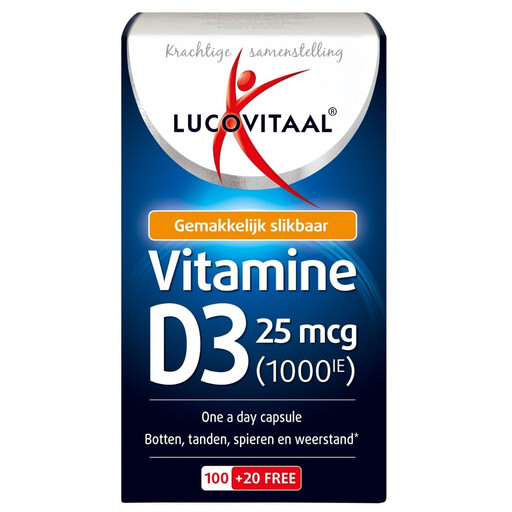
Why it suits this profile: A straightforward choice for adults who want to take one capsule a day without using an extensive multivitamin formula.
The amount of vitamin D3 is clearly stated: 25 mcg per capsule. This lets you compare it accurately with other dosages instead of focusing only on the wording on the packaging.
120 capsules, one capsule a day and a small capsule, according to the product information.
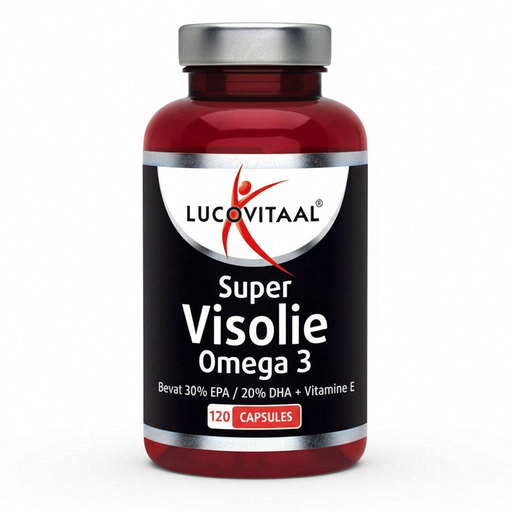
Why it suits this profile: Suitable for adults who primarily want to compare the amount of EPA and DHA per daily dosage when choosing omega 3.
The product information specifies 600 mg of EPA and 400 mg of DHA separately per two capsules. It also clearly states that the product contains fish and is not intended for pregnant or breastfeeding women.
120 capsules, EPA and DHA listed separately, plus vitamin E and omega 6 in the formula.

Why it suits this profile: A targeted choice for adults and older people looking for magnesium bisglycinate as a standalone supplement.
The form, amount and dosage are described clearly: magnesium bisglycinate, 375 mg per two tablets and one daily intake. The label also states that it may have a laxative effect.
90 tablets, a vegan formula and 100% of the reference intake per daily dosage, as stated.
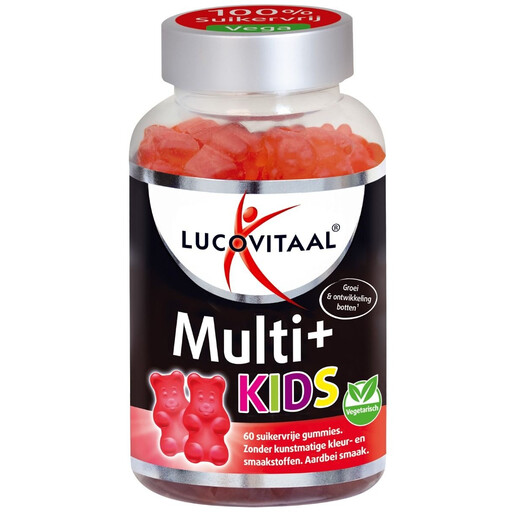
Why it suits this profile: The gummy format and strawberry flavour may be practical for children aged 5 and over who find tablets difficult to take.
The minimum age and daily amount are clearly stated: suitable from age 5 and one gummy per day. According to the product information, excessive use may have a laxative effect.
60 gummies containing vitamin C, vitamin D3, vitamin B12 and biotin, according to the product formulation.
We’ve put together a complete, up-to-date list of products that fully meet these strict selection criteria and the applicable European safety regulations.
This depends on the formulation, dosage and reason for use. Follow the instructions on the label and regularly check whether you still need a supplement. Don’t use several products containing the same vitamins or minerals without considering your total intake.
A multivitamin can be practical if you want to combine several nutrients. Individual supplements, such as vitamin D3 or magnesium bisglycinate, give you more control over the dosage. Compare the price per daily dosage, not just the price per pack.
Not always without taking certain factors into account. Check for overlapping ingredients, such as vitamin D3, zinc, magnesium, iron and vitamin B12. If you are pregnant or breastfeeding, have a medical condition or take medication, you should seek advice from a doctor or pharmacist.
