
Vandaag of morgen in huis

Kwaliteit gegarandeerd

Welkomstaanbiedingen ontgrendelen: GRATIS bezorging | Tot 80% korting | Gratis 30 dagen JoyPlus-proefperiode
Download de app
When you search online for vitamins and food supplements, you’ll quickly come across hundreds of pots, gummies, capsules and powders. One formula is aimed at energy, another at muscles, sleep, hair or digestion. But eye-catching packaging tells you little about whether a product is right for you.
This guide helps you compare products using facts you can check. That way, you can avoid paying for ingredients you don’t need, misjudging a dose or choosing a supplement that isn’t suitable for your age or lifestyle.
Multivitamins sometimes contain dozens of vitamins and minerals. That can be convenient, but check the daily dose first. A product with lots of ingredients can lead to unnecessary overlap if you also take, for example, magnesium, zinc, vitamin B12 or hair vitamins.
Check the recommended daily amount and the reference intake. The amount per tablet or gummy matters more than the number of ingredients listed on the front of the pack.
An authorised nutrition claim only applies under certain conditions. According to a brand’s product information, for example, a vitamin may contribute to the normal function of a particular process in the body. That doesn’t mean the supplement treats a medical condition or is guaranteed to produce a noticeable result.
It’s worth taking extra care with products for sleep, weight management, skin or hair. Melatonin products come with specific usage advice. Products such as Obesimed also fall into the category of medical devices and aren’t ordinary multivitamins.
A capsule you need to take every day won’t suit everyone. Gummies may be easier to take, but they contain sweeteners and can have a laxative effect if consumed in excess. Powders are convenient for people who exercise, but allergens such as milk, soya or gluten may be a concern.
So don’t just look at the price per pack. Consider the price per daily dose, shelf life and storage instructions too.
Always compare the amount of active ingredient per recommended daily dose. With magnesium, for example, there can be a significant difference between 300 mg and 375 mg. Also check whether the figure refers to the mineral itself or the total compound, such as magnesium bisglycinate.
The same applies to vitamin B12, zinc, calcium and vitamin D: more isn’t automatically necessary. Only use different products with overlapping ingredients if you’ve checked that doing so is appropriate.
The chemical form can be a factor when choosing a product. Examples include magnesium citrate, magnesium bisglycinate, zinc methionine and different forms of vitamin B12. The product description states which form is used; whether it’s right for you may depend on your diet, medication and medical circumstances.
Also check the allergen information. Whey protein usually contains milk. Some formulas may contain soya, gluten, nuts or traces of these allergens. If you follow a vegan diet, some capsules and tablets are clearly labelled as vegan, but check the current packaging too.
Children’s vitamins aren’t simply smaller versions of adult multivitamins. Check the stated age, daily dose and warnings. A product for children aged 5 and over isn’t automatically suitable for younger children.
If you’re pregnant or breastfeeding, have a medical condition or take medication, it’s sensible to speak to a doctor or pharmacist. Food supplements are no substitute for a varied diet and healthy lifestyle.
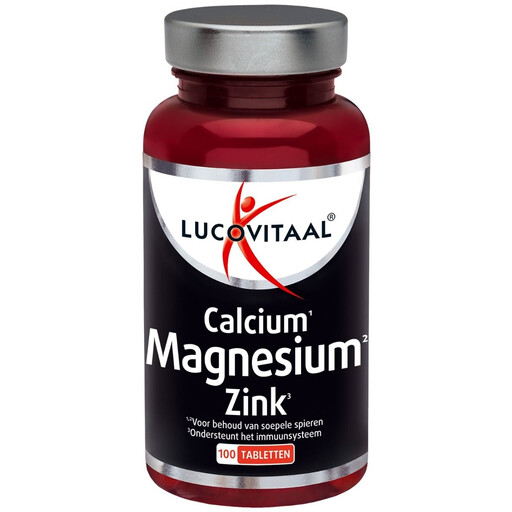
Why it suits this profile: A combined formula can be a practical choice for adults who want to compare calcium, magnesium and zinc in one product rather than buying three separate pots.
The amounts per tablet are listed: 300 mg magnesium, 120 mg calcium and 9,3 mg zinc. This makes it easier to check for overlap with other supplements.
100 tablets, a combination of three minerals and clear usage instructions. According to the product information, the formula is suitable for adults.

Why it suits this profile: A good option for adults who want a convenient way to supplement their daily protein intake around fitness or other physical activity.
The product information states that each 32 g serving contains around 24 g of protein and lists milk and soya as allergens. You can compare the serving with your own protein needs.
Whey isolate, whey concentrate and hydrolysed whey peptides; each serving contains around 119 kcal, 24 g of protein and 1,2 g of sugar, according to the stated nutritional values.
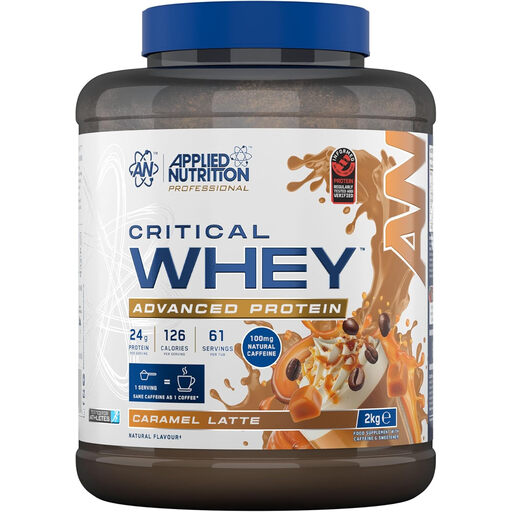
Why it suits this profile: A larger pack suits people who exercise and use protein powder regularly, and who check their serving size and caffeine intake in advance.
The Caramel Latte variety lists 100 mg of caffeine per 33 g serving. This makes it easier to avoid taking the product without realising it alongside coffee or a pre-workout supplement.
2 kg pack, around 24 g of protein per serving and a blend of whey concentrate, whey isolate, hydrolysed whey and milk protein. Contains milk and may contain traces of other allergens.
We’ve put together a complete, up-to-date list of products that meet these strict selection criteria and the current European safety requirements.
A multivitamin combines several nutrients in one formula. An individual supplement, such as magnesium, vitamin B12 or zinc, focuses on one specific nutrient. Only choose a combination if the doses are suitable for your diet and any other products you take.
That depends on the product, the dose and your personal circumstances. Check the expiry date, storage temperature and instructions on the packaging. Once opened, gummies may need to be used within a certain period. If you’re taking supplements long term or using several at once, it’s sensible to speak to a doctor or pharmacist.
Not necessarily. Children’s vitamins are formulated for a specific age group and often have a different dose. Check whether the product is intended for children aged 3 or 5 and over, and keep the packaging out of reach of young children.
