
Vandaag of morgen in huis

Kwaliteit gegarandeerd

Welkomstaanbiedingen ontgrendelen: GRATIS bezorging | Tot 80% korting | Gratis 30 dagen JoyPlus-proefperiode
Download de app
Anyone looking to buy vitamins is soon faced with dozens of bottles, gummies, drops and effervescent tablets. An attractive package, however, says little about the ingredients, recommended dosage or suitability for your age. Use this practical checklist to compare multivitamins, vitamin gummies and other food supplements based on verifiable product information.
A product containing lots of vitamins and minerals is not automatically suitable for everyone. First check which nutrients you are actually looking for. A multivitamin for adults, for example, may contain different amounts from multivitamins for children. Also look out for ingredients such as caffeine, sweeteners, allergens and botanical extracts.
Sugar-free vitamins often contain sweeteners such as maltitol, sorbitol, xylitol, sucralose or acesulfame-K. These can improve the taste, but excessive consumption may have a laxative effect with some products. Always check the ingredients list and the recommended daily amount.
An authorised nutrition claim describes the role of a nutrient under certain conditions. It does not guarantee that you will correct a deficiency or resolve a specific problem. According to brands’ product information, vitamin C, vitamin D and vitamin B12, for example, can contribute to normal bodily functions. This does not mean that a supplement replaces a varied diet, medical advice or treatment.
Do not just look at the number of gummies or tablets. Focus especially on the amount per daily dose. Check whether the amount is stated in micrograms (µg) or milligrams (mg), as well as the percentage RI, or reference intake. A high percentage is not automatically necessary or desirable.
For example:
Never use several products containing the same nutrients without checking your total intake.
Age limits and dosages are particularly important for babies and children. Vitamin drops for babies are often easier to dose than gummies, which are also unsuitable for young children. Check whether a product contains sugar, gelatine, peanut oil, milk or other allergens.
Pay attention to the difference between:
Keep food supplements out of the reach of young children. If you take medication, are pregnant or breastfeeding, or have a medical condition, it is advisable to consult a doctor or pharmacist.
The most convenient format is the one you can use correctly according to the label. Gummies are easy to chew, effervescent tablets dissolve in water and liquid supplements are suitable for anyone who finds tablets difficult to take. Also check:
With some gummies, temperature changes may cause crystallisation or discolouration. According to the product information, this does not necessarily affect the taste or quality, but always check the label if in doubt.
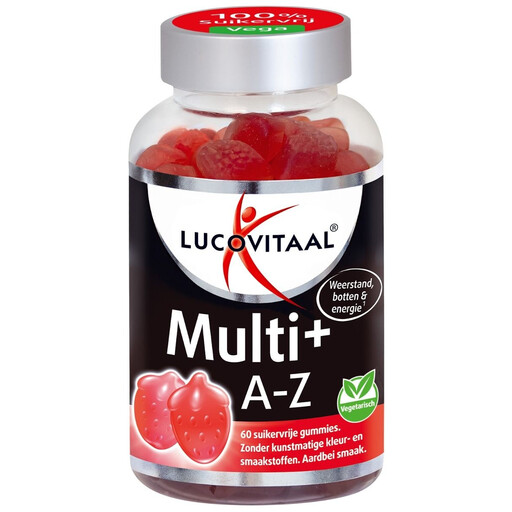
Why it suits this profile: A straightforward choice for adults looking for one daily gummy instead of several separate vitamin supplements.
The ingredients and dosage per gummy are provided in the product information. According to the label, the formula is sugar-free and contains natural sweeteners.
60 gummies, strawberry flavour, for adults, containing vitamin C, D3, B vitamins, vitamin E and zinc.
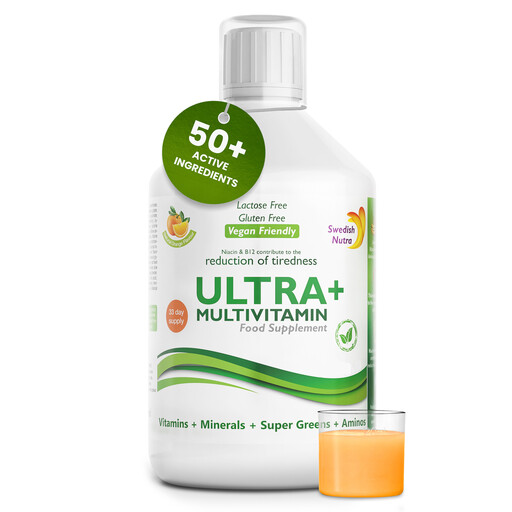
Why it suits this profile: Suitable for adults who want a vegan liquid supplement and would rather not swallow tablets.
The comprehensive ingredients list and nutritional values per 15 ml are available. This allows you to check the high dosages and the presence of caffeine for yourself.
Vegan, gluten-free and lactose-free; according to the product information, 500 ml provides approximately 33 servings. Contains 63 mg of caffeine per dose.
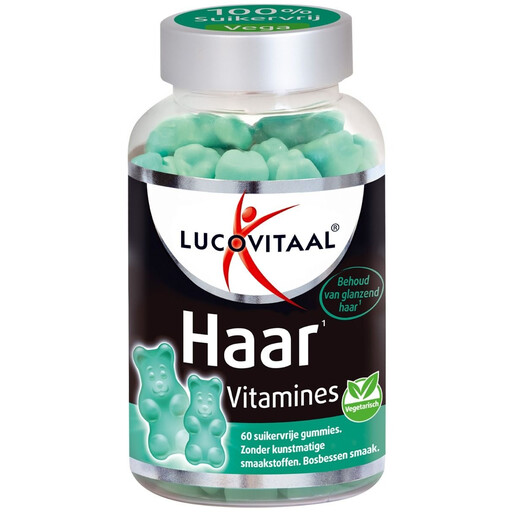
Why it suits this profile: For adults specifically looking for hair vitamins in a chewable format with blueberry flavour.
The daily dose is clearly stated as two gummies. The very high biotin content is explicitly listed, so you can take this into account when combining it with other supplements.
60 gummies, vegan and sugar-free according to the label, with biotin, zinc and several vitamins.
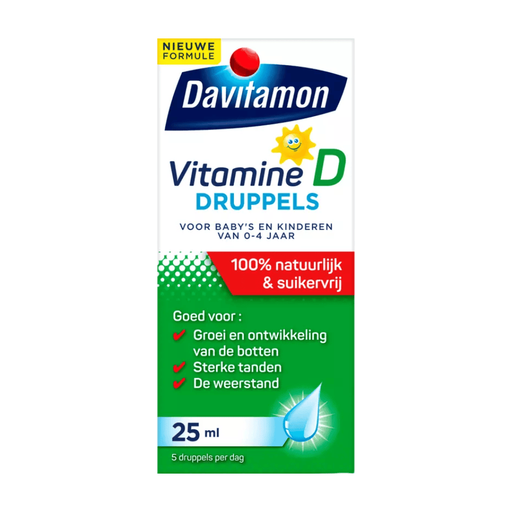
Why it suits this profile: A liquid option for babies and children up to 4 years, with a short ingredients list and a set dose of five drops per day.
The amount of vitamin D3 per daily dose is clearly stated. However, check that your child is not using another product containing vitamin D.
25 ml, oil-based, two main ingredients according to the label and suitable for children aged 0 to 4 years.
We have put together a complete, up-to-date list of products that fully meet these strict selection criteria and the applicable European safety regulations.
When it comes to topping up a vitamin deficiency, you first need to understand the cause. An iron supplement containing 14 mg of iron, vitamin C and folic acid, for example, is intended for adults and not children. If you suspect an iron deficiency, it is advisable to consult a doctor.
If you are looking for a collagen supplement, hyaluronic acid supplement or hair vitamins, pay particular attention to the amount of active ingredients per day and the formulation. Brands’ product descriptions may mention benefits; treat these as information from the manufacturer rather than a promise of personal results. For vegan vitamins, it is important to check the source of all ingredients. A product containing vitamin D3 is not always vegan either.
This depends on your age, diet, lifestyle and any medical conditions. For general supplementation, choose a formula that clearly states the daily dosage. If you suspect a deficiency, a doctor or pharmacist can help determine what is suitable.
Gummies can be practical if you find tablets difficult to take. However, check the sweetener content, age limit and recommended amount. Do not treat gummies like sweets and keep them out of the reach of children.
Always follow the expiry date and storage instructions on the packaging. Some gummies should be used within 60 days of opening; liquid supplements may need to be refrigerated and consumed within a specified period. The product packaging should always be your guide.
