
Vandaag of morgen in huis

Kwaliteit gegarandeerd

Welkomstaanbiedingen ontgrendelen: GRATIS bezorging | Tot 80% korting | Gratis 30 dagen JoyPlus-proefperiode
Download de app
The vitamin and supplement aisle can be overwhelming. Jars and bottles promise better immunity, stronger bones, or more energy. But how do you know what you really need and what to look for? Many products look alike, and marketing terms don't make the choice any easier. Before you make a purchase, it's wise to know how to navigate the common pitfalls.
A common mistake is choosing a product based on vague claims. A "complete multivitamin" sounds good, but is it tailored to your specific needs as a senior, athlete, or parent of a toddler? Another pitfall is the dosage. A high dose might seem more effective, but it isn't always necessary or better. Finally, the form is often overlooked. Large, hard-to-swallow capsules or a powder with an unpleasant taste will quickly end up unused in the cupboard.
To make an informed choice, it's helpful to check a few key specifications. This will help you compare products objectively and find a supplement that fits your lifestyle.
The effectiveness of a supplement depends heavily on the right dosage and a form you can take consistently.
Your nutritional needs change throughout your life. A generic supplement is rarely the solution for everyone.
Always look at the full ingredient list. Some supplements contain unnecessary sugars, fillers, or artificial flavours. This is especially important if you have allergies or intolerances. For example, capsules may contain gelatin (animal-derived), and powders can contain allergens like soy or milk. A clean label with recognisable ingredients is often a sign of a well-thought-out product.
Based on clear specifications and different user profiles, we've highlighted a few products that offer solutions for specific situations.
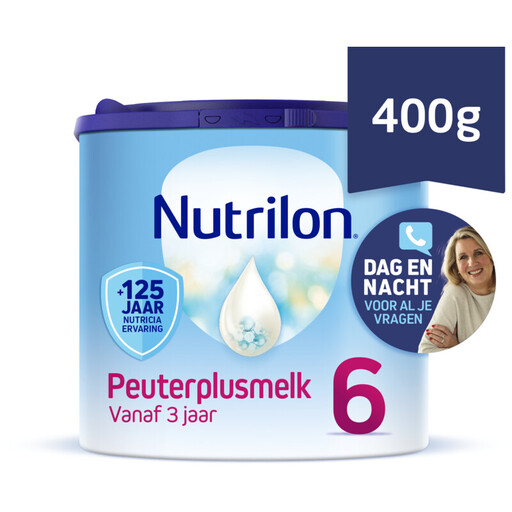
Why This Fits Their Persona: Specifically developed for the nutritional needs of toddlers from 3 years old. It's a simple way to supplement their daily nutrition as part of a varied diet.
This product bypasses the 'one-size-fits-all' pitfall by targeting a specific age group, rather than making a vague 'family' claim.
According to the manufacturer, it contains iron to support cognitive development and vitamins C and D to support the immune system.
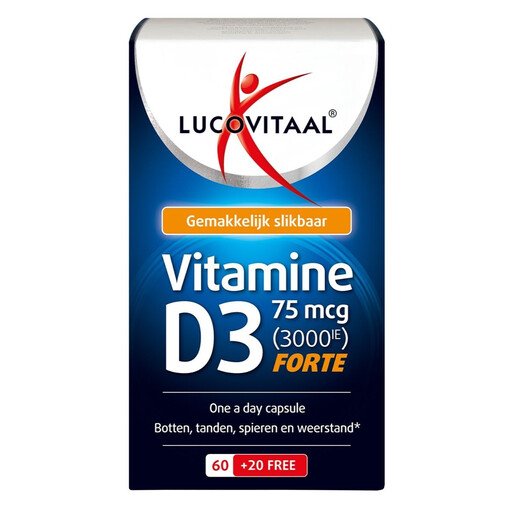
Why This Fits Their Persona: Aimed at adults and seniors with an increased need for vitamin D, as recommended by health authorities. The high dosage is intended to support bones and the immune system.
This product avoids the pitfall of an insufficient dosage. The 75 mcg is a clear, high dose that aligns with specific recommendations for the elderly.
One capsule per day is sufficient. According to the manufacturer, the softgel capsules are easy to swallow and well-absorbed.
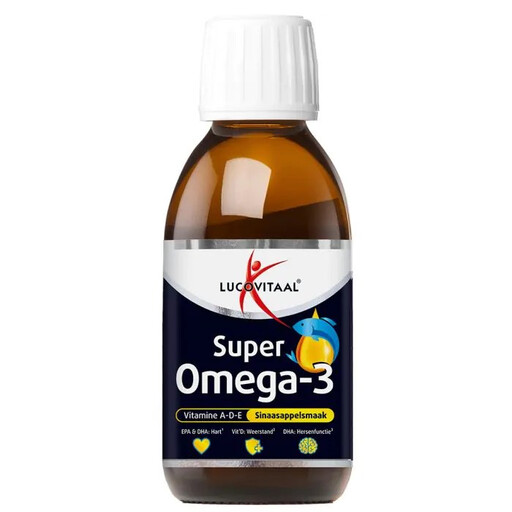
Why This Fits Their Persona: Ideal for those who have difficulty swallowing large fish oil capsules but still want a high dose of EPA and DHA. The liquid form is easy to mix into yoghurt, for example.
This product tackles the 'impractical form' pitfall. The liquid version with an orange flavour makes daily intake easy, preventing the product from being left unused in the cupboard.
Contains a high level of EPA (400 mg) and DHA (550 mg) per dose. According to the manufacturer, it is sugar-free and sweetened with stevia.
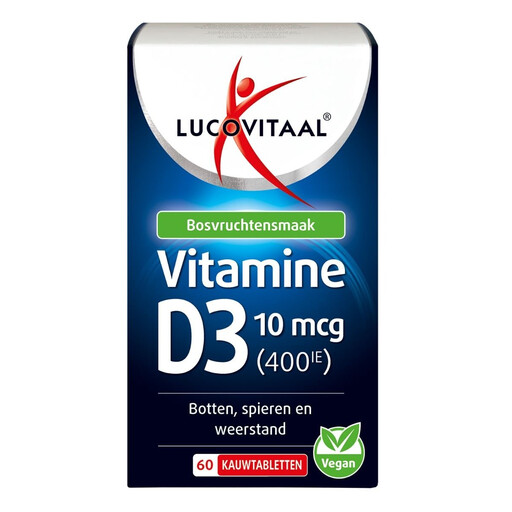
Why This Fits Their Persona: A reliable choice for those following a vegan lifestyle. Vitamin D3 is often derived from animal sources (lanolin), but this product offers a plant-based alternative.
This product avoids the pitfall of hidden animal ingredients. The 'vegan' claim is clear, ensuring it fits within a plant-based diet.
Sugar-free chewable tablet with a berry flavour. The dosage of 10 mcg aligns with the basic recommendation from health authorities for adults.
We have compiled a complete, up-to-date list of products that meet these strict selection criteria and local regulations.
Health authorities advise most adults to take a 10 mcg vitamin D supplement per day. For specific groups, such as women over 50, men over 70, people with darker skin tones, or those who get little sun exposure, a higher dosage of 20 mcg per day is recommended. Check the label for the dosage per capsule or tablet and consult a doctor or pharmacist if in doubt.
Adult milk powder, such as the one from Two Cows, is made from real cow's milk and has a long shelf life. It's a practical solution for the pantry or for use in recipes. It naturally contains calcium and is often fortified with vitamins A and D3. While its nutritional value can be comparable to fresh milk, the taste and texture are different. It's a convenient alternative, but not an identical replacement.
Combining supplements is possible, but it's important to ensure you don't consume an excessive dose of certain vitamins or minerals. For example, some multivitamins already contain vitamin D. If you also take a separate vitamin D supplement, the total intake could become too high. Read the labels carefully and add up the dosages of the same nutrient. When in doubt, it's always wise to seek professional advice.
