
Vandaag of morgen in huis

Kwaliteit gegarandeerd

Welkomstaanbiedingen ontgrendelen: GRATIS bezorging | Tot 80% korting | Gratis 30 dagen JoyPlus-proefperiode
Download de app
When searching for vitamin and mineral supplements, you quickly come across dozens of formulas featuring terms such as “complete”, “high strength” and “fast absorption”. This can make comparing products difficult. However, eye-catching packaging says little about whether a product is suitable for your daily routine.
Instead, pay particular attention to the ingredients, dosage and form. This helps you avoid paying for ingredients you are already getting from another supplement, or for a product that does not suit your diet.
A multivitamin may contain many nutrients, but that does not mean every adult needs the same formula. Some products, for example, contain iron, iodine or vitamin K. This may be relevant for one user, but less suitable if you already take other supplements or certain medicines.
Always check the full ingredients list and recommended daily dosage. Also watch out for duplicate intake when combining a multivitamin with, for example, a vitamin D supplement, magnesium supplement or zinc with copper.
A larger number on the packaging attracts attention, but does not automatically indicate the right choice. With magnesium, it is important to look at the amount of elemental magnesium, rather than just the weight of the compound.
For example, Lucovitaal Magnesium Citrate 400 mg provides a daily dose of 400 mg elemental magnesium from magnesium citrate when taking two tablets. According to the product information, a high magnesium intake may have a laxative effect for some people. Follow the label and do not simply take several magnesium products at the same time.
Claims about absorption, skin, energy or immunity are not automatically general product facts. According to a brand’s own research or product information, certain ingredients may contribute to specific normal bodily functions, but the product is not a substitute for a varied diet or medical advice.
Take extra care during pregnancy, when taking medicines, if you have a medical condition or if you have allergies. Always check the current packaging before use.
First, check the recommended daily amount: one capsule, one tablet or, for example, two tablets. Then compare the amount per serving with the reference intake (RI). A pack containing 90 tablets may last 90 days when taking one tablet a day, but only 45 days when taking two.
When choosing supplements for adults, also check the age recommendations. A product for adults is not automatically suitable for children or teenagers.
The chemical form may vary. Examples include:
With magnesium citrate, pay particular attention to how much elemental magnesium the daily serving provides. With omega-3 fish oil, do not look only at the total weight of the fish oil; check the individual amounts of EPA and DHA.
Vegans and vegetarians should check both the vegan or vegetarian label and the ingredients list. A capsule may be plant-based, for example, while the formula contains other ingredients that do not fit your eating pattern.
Also check for allergens. Fish oil contains fish, and some products may contain soya, gluten or other allergens. Choose a tablet if you do not want to swallow capsules, or an effervescent tablet if dissolving it in water fits your routine better. With effervescent tablets, take sweeteners and the recommended amount into account.
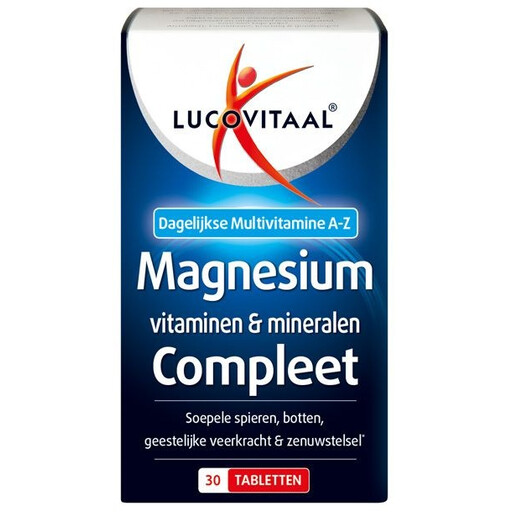
Why it suits this profile: A compact combination of vitamins, minerals and magnesium for adults who want to start with a single product.
The ingredients and daily dosage are listed for each nutrient. This allows you to compare the formula without relying solely on the term “complete”.
188 mg of magnesium per two tablets, supplemented with several vitamins and minerals. The pack contains 30 tablets.

Why it suits this profile: Suitable for users who value different forms of magnesium and a vegan capsule.
The packaging lists five forms of magnesium and the amount of elemental magnesium per daily serving. This keeps the difference between the compound and the elemental amount clear.
According to the product information, 416 mg of magnesium per two capsules. Vegan capsules, without gluten or lactose according to the stated specifications.

Why it suits this profile: A practical combination for active adults who want to include both omega 3 and magnesium in their daily routine.
The bundle lists the EPA and DHA amounts separately, along with the magnesium dosage. This means you do not have to guess the actual composition.
According to the product information, the fish oil contains 600 mg of EPA and 400 mg of DHA. The bundle also contains magnesium citrate with 400 mg of magnesium per daily dose.
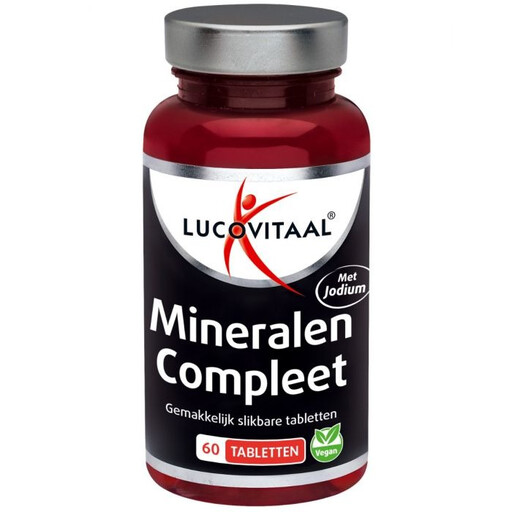
Why it suits this profile: Ideal for anyone specifically looking for a mineral combination rather than a multivitamin containing numerous vitamins.
The formula focuses on 15 minerals and includes calcium, magnesium, iron, zinc and iodine, among others. However, always check the current dosage on the label.
According to the product information, suitable for vegans and vegetarians. Contains calcium, magnesium, zinc, selenium, iodine and iron, among other minerals.
We have put together a complete, up-to-date list of products that fully meet these strict selection criteria and the applicable European safety regulations.
A collagen supplement may combine collagen with vitamin C, biotin or hyaluronic acid. Check whether the product contains animal-derived ingredients. According to the product information, the Swedish Collagen shots contain marine collagen and may contain fish.
With probiotic capsules, the number of bacterial strains, the amount per capsule and storage instructions are important. Lucovitaal Probiotics Vitamins & Minerals Complex lists six bacterial strains and recommends taking one capsule a day.
If you are looking for supplements for energy and immunity, do not rely solely on that search term. Check which vitamins and minerals have actually been added and whether the dosage suits your diet.
A multivitamin usually contains several vitamins and often minerals as well. A product described as “complete minerals” focuses mainly on minerals such as magnesium, calcium, zinc, iron and iodine. The exact composition varies by brand, so read the label carefully.
Calculate the duration of use by dividing the number of capsules or tablets by the daily dosage. A tub containing 60 tablets lasts approximately 60 days when taking one tablet a day. At two tablets a day, it lasts around 30 days.
This can lead to duplicate intake of the same nutrients. Always check all labels, particularly for vitamin D, magnesium, iron, zinc, iodine and vitamin K. If you take medicines, are pregnant or have a medical condition, consult a doctor or pharmacist first.
