
Vandaag of morgen in huis

Kwaliteit gegarandeerd

Welkomstaanbiedingen ontgrendelen: GRATIS bezorging | Tot 80% korting | Gratis 30 dagen JoyPlus-proefperiode
Download de app
Buying a vitamin D supplement may seem straightforward, but the range varies considerably in dosage, form and target audience. A 75 mcg capsule is not automatically suitable for everyone. Attractive packaging, a high number of capsules or terms such as “extra strong” also say little about what you need each day.
For consumers in the Netherlands, these are the main pitfalls to watch out for:
Vitamin D3, also known as cholecalciferol, is the form used in many supplements. The amount is usually stated in micrograms (mcg or µg) and sometimes also in IU. For example, 25 mcg is equivalent to 1000 IU, while 75 mcg is equivalent to 3000 IU.
According to product information and advice from the Dutch authorities, additional vitamin D may be relevant for, among others:
The right choice depends on your age, lifestyle, diet and any medical circumstances. A vitamin D3 25 mcg supplement is a straightforward daily option for many adults. A vitamin D3 75 mcg product provides a higher dosage, so you need to pay particularly close attention to your total intake and the advice on the label.
If you take medication, have a chronic condition, are pregnant or are unsure which product to choose, consult a doctor or pharmacist. A supplement is not a substitute for a varied diet.
Do not compare only the price of a pack. Calculate the cost per recommended daily dosage instead. A jar containing 365 capsules can be practical for daily use, while a smaller pack may be more convenient if you want to try the product first and see whether the format suits you.
Pay attention to the recommended amount:
A weekly capsule means fewer daily steps, but it also increases the risk of confusing the dosage with that of a daily product. It is therefore best to store this type of supplement separately from your daily vitamins.
Check the full ingredients list, not just the front of the packaging. Some vitamin D3 capsules contain bovine gelatine and are therefore not suitable for vegans. A capsule made with hydroxypropyl methylcellulose or a gummy may be a better fit for a plant-based diet, but always check the official product listing.
Points to look out for include:
A small softgel capsule is easy for many adults to swallow. If you would rather not use water, you could choose a melt-in-the-mouth or chewable tablet. For babies and young children, vitamin D drops are often more practical than capsules, as the drops can be given on a spoon.
Do not automatically combine vitamin D with a multivitamin, vitamin C 1000 mg, zinc and selenium or another immune-support supplement. Check the labels side by side and add up the amounts.
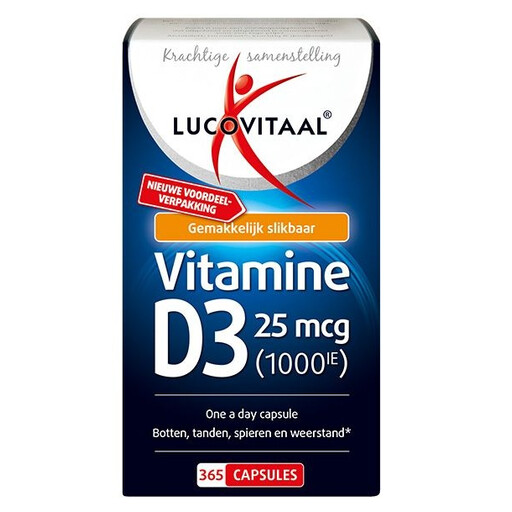
Why it suits this profile: The pack contains 365 capsules, with 25 mcg of vitamin D3 per capsule, and is intended for adults who want to take a consistent amount every day.
The dosage is clearly stated per capsule. Please note that the capsule contains gelatine and, according to the product information, is not vegan.
365 small capsules; 25 mcg of vitamin D3 per capsule; recommended use is once daily, preferably with a meal.
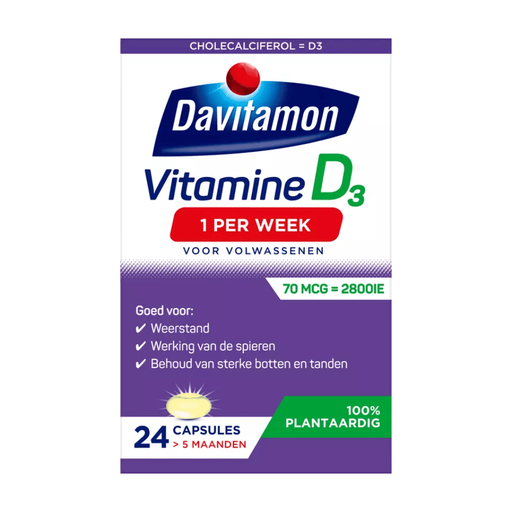
Why it suits this profile: This product is aimed at adults who prefer a plant-based formulation and a fixed weekly time for taking it.
The product information states that it has a plant-based, vegan formulation. The dosage is weekly, so you should not combine it with a daily vitamin D supplement without checking your total intake.
24 capsules; 70 mcg of vitamin D3 per capsule; once a week; according to the product information, vegan, lactose-free, gluten-free and sugar-free.
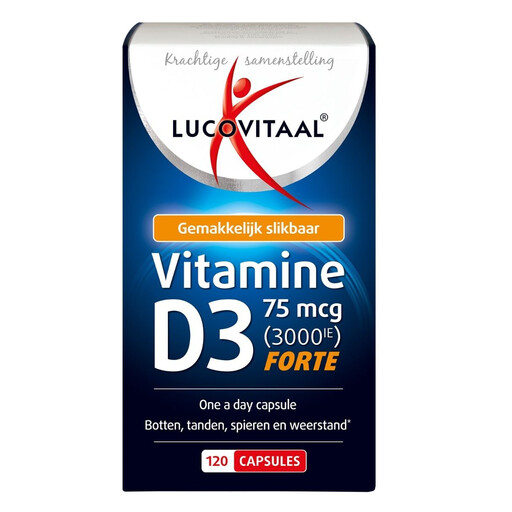
Why it suits this profile: Each capsule contains a higher amount of vitamin D3 and is intended for adults who consciously choose this dosage.
The amount of 75 mcg is stated per capsule. Check beforehand that you are not getting vitamin D from other sources and follow the label instructions.
120 softgel capsules; 75 mcg of vitamin D3 per capsule; to be taken once daily, preferably with a meal.
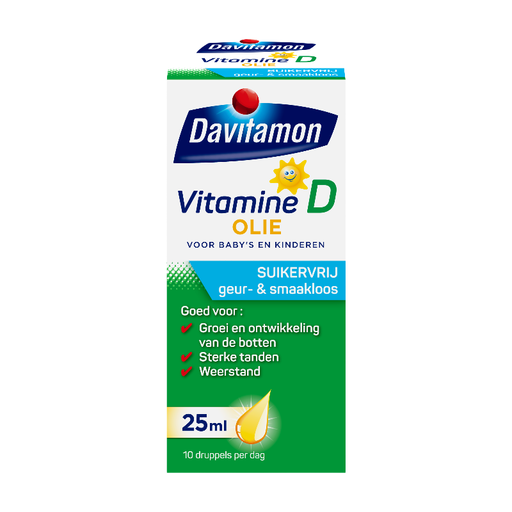
Why it suits this profile: According to the product information, this oil is intended for babies and children and is given on a spoon as 10 drops per day.
The usage instructions and age groups are specified. Note the listed peanut oil and do not use this product if you have a known peanut allergy.
25 ml; 10 mcg of vitamin D3 per daily dosage of 10 drops; according to the product information, sugar-free, gluten-free and lactose-free.
We have put together a complete, up-to-date list of products that fully meet these strict selection criteria and the applicable European safety regulations.
A vitamin D supplement is often bought alongside a vitamin C supplement or multivitamins. It is therefore important to look at the overall formulation. For example, a product containing vitamin C 1000 mg may also contain vitamin D3, zinc and selenium. Adding a separate zinc and selenium combination could then lead to an overlap.
Pay particular attention to:
Claims about immunity, bones and muscles should not be viewed separately from the nutrient and the permitted wording. According to the product information, vitamin D, vitamin C, zinc and selenium contribute to various normal bodily functions. This does not mean that a supplement prevents or treats a disease.
This depends on your personal needs, dosage and the advice on the packaging. Check regularly whether you are still using several supplements at the same time. If you use a high dosage for an extended period, are pregnant, take medication or have a medical condition, it is advisable to consult a doctor or pharmacist.
The difference is the amount of vitamin D3 per capsule: 25 mcg compared with 75 mcg. So, 75 mcg is a higher dosage. Do not choose based on the number alone. Consider your target group, the usage advice and your total intake from other products.
Not automatically. Gummies are often appealing because of their flavour, but the age limit and dosage vary from product to product. For example, a gummy containing 25 mcg may be intended for adults. For young children, vitamin D drops or a specially formulated children’s product are often more practical, provided the label confirms that they are suitable.
