
Vandaag of morgen in huis

Kwaliteit gegarandeerd

Welkomstaanbiedingen ontgrendelen: GRATIS bezorging | Tot 80% korting | Gratis 30 dagen JoyPlus-proefperiode
Download de app
For parents, buying a supplement may seem simple: choose cheerful packaging, check the flavour and add the product to your basket. Yet this is often where problems arise. The dosage, age limit and ingredients vary from one product to another. If you only look at the front of the packaging, you could end up choosing an unsuitable format or taking a double dose.
In this guide, we explain what to look for when choosing vitamin D for children, from vitamin D for babies from birth to children's vitamins for school-age children.
A melt-in-the-mouth or chewable tablet is not automatically suitable for a baby. Some products are intended for children from 1 year, while others are suitable from 3 or 6 years. Always check the age recommendation on the label, not just the product name.
For a baby, you will generally want to look for baby vitamin D in drop or oil form. Products marked 0+ may be practical, but check the instructions for use too: the number of drops providing 10 micrograms of vitamin D3 can vary from one bottle to another.
A multivitamin often contains vitamin D alongside vitamin C, B vitamins and minerals. This can be useful if you are deliberately looking for a broader supplement, but more nutrients are not automatically necessary. If your child is already taking vitamin D drops and you add a multivitamin containing vitamin D, check the total daily intake.
Gummies and chewable tablets are appealing to children, but may contain sweeteners, sugar or gelatine. A sugar-free product is not necessarily free from sweeteners. Look out for ingredients such as sorbitol, xylitol, mannitol or maltitol; excessive consumption may have a laxative effect.
According to the product information for the selected supplements, the Dutch Health Council advises that all babies and children up to 4 years old take 10 micrograms of vitamin D every day, throughout the year. For children aged 4 and over, this advice applies, according to the product information provided, in situations including limited time spent outdoors or having dark skin.
Always check that the recommended dose is suitable for your child’s age. For example, a product may provide 10 micrograms per 5 drops, 10 micrograms per 10 drops or 10 micrograms per tablet. The number of drops alone therefore tells you nothing about the amount of vitamin D3.
The label usually states vitamin D3, also known as cholecalciferol. Also check the base used in an oil-based product. Some drops contain sunflower oil, while others use purified peanut oil. Extra care is needed if your child has a known peanut allergy. For example, the Davitamon vitamin D oil product lists refined peanut oil as an ingredient.
A water-based formula can be preferable if you would rather avoid oil. According to the product description, Davitamon Vitamin D Aquosum is a water-based option with 10 drops per daily dose and a natural orange flavour.
The right format depends on your child’s age and daily routine:
It is best to give drops on a spoon and avoid letting the pipette touch the mouth or food. This helps minimise contamination of the contents. Keep every supplement out of the reach of children and follow the storage instructions on the packaging.
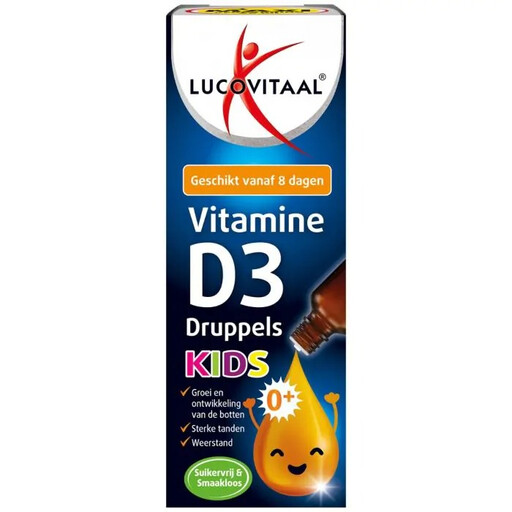
Why it suits this profile: The drop format is easy for parents who are looking for a straightforward vitamin D supplement for children from birth. According to the product information, the formula consists of sunflower oil and vitamin D3.
The packaging states a clear dosage of 6 drops once a day. However, always check the current product packaging before use.
50 ml dropper bottle; formula with two ingredients according to the product description; suitable from 8 days after birth.
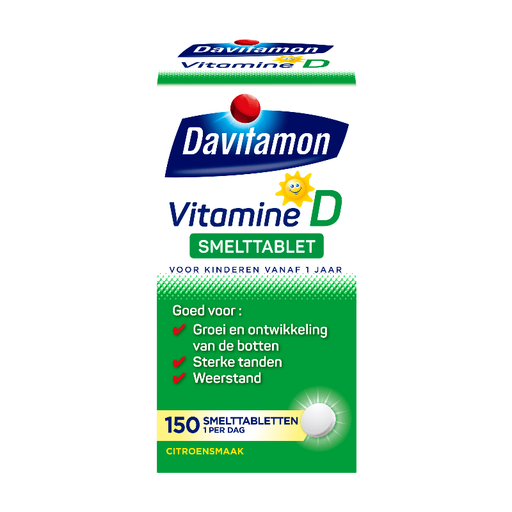
Why it suits this profile: For children from 1 year who do not want to drink water with a tablet. According to the product description, the tablet dissolves in the mouth and one tablet provides 10 micrograms of vitamin D3.
The age recommendation and daily amount are clearly stated. Give the tablet under supervision and do not choose this format for children below the specified age.
150 melt-in-the-mouth tablets; 10 micrograms of vitamin D3 per tablet; according to the product information, gluten-free, lactose-free and suitable for vegetarians.
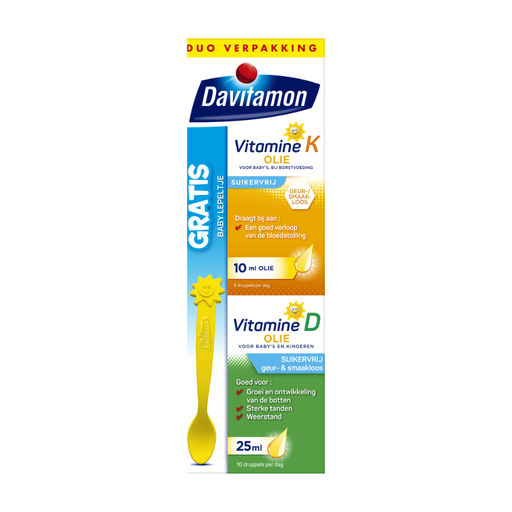
Why it suits this profile: According to the product information, this combination pack is intended for breastfed babies and combines vitamin D oil with vitamin K oil. It is suitable for parents who want to give both products in line with the relevant instructions for use.
The packaging distinguishes between the daily vitamin D dose and the temporary instructions for using vitamin K. Take extra care if there is a known allergy to peanut oil.
Combination of two oils; according to the label, sugar-free, gluten-free and lactose-free; baby spoon included.
A multivitamin may be suitable for parents who want to supplement other nutrients alongside vitamin D. For children aged 3 to 12, Dagravit Start Drinkable Multivitamins contains, according to the product description, vitamin D3, vitamin C, B vitamins and minerals, among other nutrients. The powder is dissolved in 200 ml of water and, according to the label, is free from sugar, lactose and gluten.
For children from 6 years, there are also vitamin D chewable tablets and gummies containing several vitamins. Check the difference between taking one or two gummies or tablets per day. A product that contains 10 micrograms of vitamin D per two pieces will provide a different amount when only one piece is taken.
A standalone vitamin D product is generally clearer when vitamin D is the only nutrient needed. Only choose a multivitamin after checking the full ingredients list and any overlap with other supplements.
We have compiled a complete, up-to-date list of products that fully meet these strict selection criteria and the applicable European safety regulations.
Look for a product with a clear age recommendation and dosing instructions for babies. Drops or oil are usually more practical than tablets. Check the number of drops providing 10 micrograms and look out for allergens in the carrier oil.
The shelf life varies from one product to another. Some bottles, for example, can be used for several months after opening. Always check the packaging, close the bottle securely and store it according to the stated advice. Do not use a product beyond the period after opening specified on the label.
This can only be assessed safely by looking at the total daily amount and the labels of both products. Many multivitamins already contain vitamin D. Add the amounts together and consult a doctor or pharmacist if in doubt, especially if your child takes medication or has a medical condition.
