
Vandaag of morgen in huis

Kwaliteit gegarandeerd

Welkomstaanbiedingen ontgrendelen: GRATIS bezorging | Tot 80% korting | Gratis 30 dagen JoyPlus-proefperiode
Download de app
Buying a vitamin D3 supplement seems simple until you have to choose between capsules, gummies, melt-in-the-mouth tablets, drops and a weekly dose. The differences between vitamin D 25 mcg, vitamin D 75 mcg and lower doses are not always clear either.
Marketing can also make it easy to pay too much or choose a product that is not right for your circumstances. Pay particular attention to the amount of vitamin D3 per day, the ingredients and the recommended target group.
Packaging sometimes displays large percentages of the reference intake. This does not mean that a higher amount is suitable for everyone. A capsule containing 75 mcg of vitamin D3 is equivalent to around 3000 IU, while 25 mcg of vitamin D3 corresponds to 1000 IU.
For many adults, a lower daily dose is more practical. According to recommendations from the Health Council of the Netherlands, people aged 50 and over, those who spend little time outdoors, people with dark skin and pregnant women may need additional vitamin D. People aged 70 and over generally require a higher recommended supplement. Discuss a high dose with a doctor or pharmacist, particularly if you take medication or have a medical condition.
Not every vitamin D3 product is vegan. D3 may come from lanolin, and capsules may contain beef gelatine. So do not just check the front of the packaging; also look at the ingredients and the official nutrition label.
Gummies and chewable tablets may also contain sweeteners, sugar alcohols or flavourings. This is not necessarily a problem, but it may influence your choice.
A multivitamin or product containing vitamin C, zinc and selenium may seem convenient. However, you may already be getting the same nutrients from other supplements. Add up the total daily amount before combining several products. This is particularly important for vitamin D3, as accumulating high doses is unnecessary without appropriate advice.
The amount of vitamin D is usually listed in micrograms, abbreviated as mcg or µg. Some brands also use IU:
Always check the amount per tablet, capsule, gummy or drop dose. With a weekly product, make sure you do not confuse the weekly dose with a daily dose.
Vitamin D is fat-soluble. Many capsules therefore contain an oil, such as sunflower oil, and recommend taking them with a meal.
Before buying, check:
The permitted EU claims for vitamin D include its contribution to the normal function of the immune system, the maintenance of normal bones and teeth, normal muscle function, and the absorption of calcium and phosphorus. Treat this as information about the nutrient’s role, not as a medical promise.
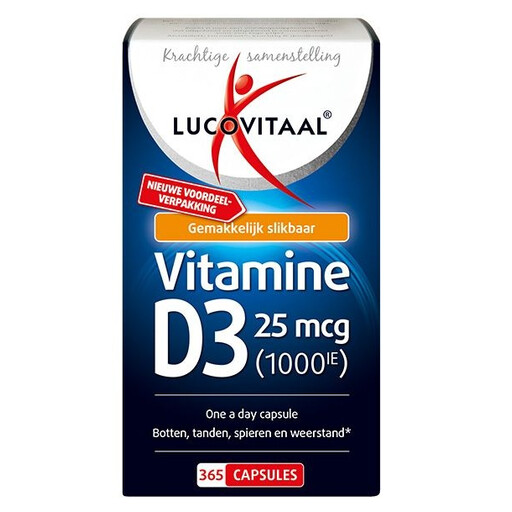
Why it suits this profile: A daily capsule containing 25 mcg, with a pack of 365 capsules, is a straightforward choice for adults looking for a consistent time to take their supplement.
The amount is clearly stated per capsule. However, check that you are not taking another source of vitamin D at the same time.
25 mcg per capsule, 365 capsules and a small softgel according to the product information. This product is not vegan and contains gelatine.
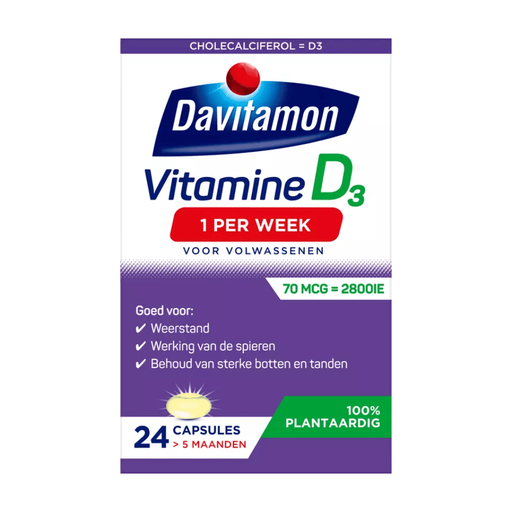
Why it suits this profile: The plant-based capsule is designed for adults who want to choose a vegan option and prefer one set time each week.
The dosage is specified as a weekly intake. This reduces the chance of taking a capsule every day without following the label.
70 mcg per capsule, 24 capsules and plant-based cholecalciferol according to the product description. Do not take the capsule every day.
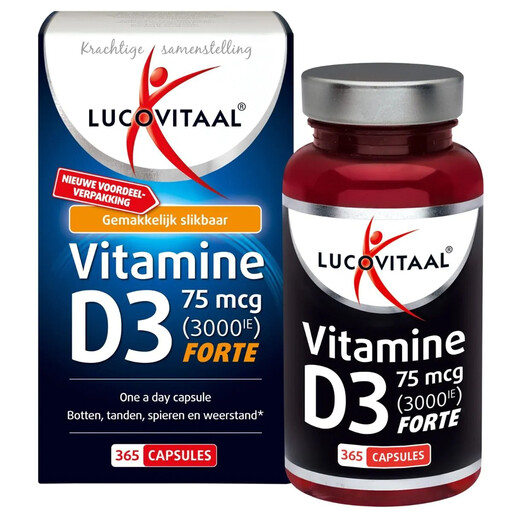
Why it suits this profile: This extra-high dose may suit adults specifically looking for 75 mcg, but it requires more attention to your total intake.
The packaging states 75 mcg per capsule and recommends one capsule per day. Do not use this product for children, and seek advice if you are unsure about long-term use.
75 mcg, around 3000 IU, and 365 capsules. The ingredients list beef gelatine, so do not choose this product if you want to buy vegan supplements.
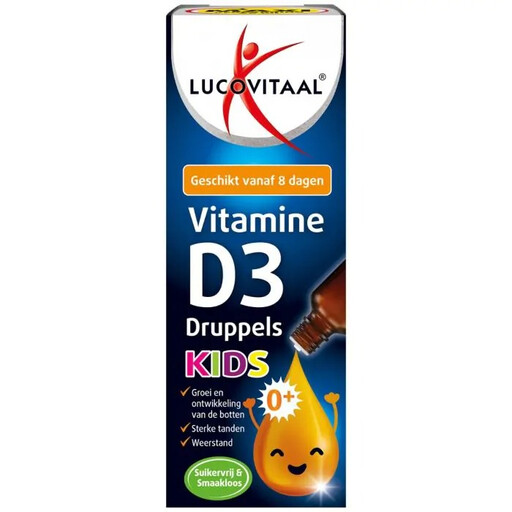
Why it suits this profile: The drop bottle is intended for children from the stated minimum age and allows the dose to be given directly on a spoon or during a feed.
The product information specifies 6 drops once a day. Only use a different dosage if advised by a healthcare professional.
Just two listed ingredients: sunflower oil and vitamin D3. The bottle includes a handy dropper and is vegan according to the product information.
We have put together a complete, up-to-date list of products that fully meet these strict selection criteria and the applicable European safety regulations.
Choose a regular time, such as at breakfast or with your evening meal. An oil-based capsule is best taken with a meal. Store the supplement according to the label, usually somewhere dry and dark, and out of the reach of young children.
For pregnant women, people with a chronic condition, children and anyone taking medication, it is sensible to consult a doctor or pharmacist. A supplement does not replace a varied diet and healthy lifestyle.
The expiry date is stated on the packaging. Once opened, additional time limits may apply, particularly for drops. For long-term use, the dosage is especially important. Regularly check whether you are taking other products that also contain vitamin D.
1000 IU is 25 mcg of vitamin D3. 3000 IU is 75 mcg. The difference is therefore the amount per dose, not a different type of vitamin D. Choose the dosage based on your needs and the label, rather than simply opting for the highest number.
They can be, provided the packaging states that they are suitable for adults and you follow the recommended amount. One example is a vegan gummy containing 25 mcg per piece. Check the sweeteners, storage instructions and any potential overlap with other supplements.
