
Vandaag of morgen in huis

Kwaliteit gegarandeerd

Welkomstaanbiedingen ontgrendelen: GRATIS bezorging | Tot 80% korting | Gratis 30 dagen JoyPlus-proefperiode
Download de app
A vitamin C serum can be a practical addition to your daily skincare routine when your skin looks dull or uneven. However, not every vitamin C face serum is the same. The form of vitamin C, concentration, packaging and combination with other active ingredients all help determine whether a product suits your skin and routine.
Many consumers mainly look for words such as “glow”, “brightening” or “anti-ageing”. On their own, these terms say very little. Below, you’ll learn which properties you can actually check and which common purchasing mistakes are best avoided.
Pure vitamin C, also known as ascorbic acid, can feel potent at a higher concentration. That does not mean a high dose is suitable for every skin type. Sensitive skin may react more quickly with a tingling or tight sensation.
Vitamin C derivatives, such as ascorbyl glucoside, 3-O-ethyl ascorbic acid and sodium ascorbyl phosphate, are different forms of vitamin C. They are often chosen for their formulation and ease of use. Always check the full ingredients list rather than looking only at the percentage shown on the front.
A serum for pigmentation or a serum for dark spots may, according to the product description, help make an uneven complexion look less noticeable. However, results vary from person to person and also depend on factors such as skin type, routine and exposure to sunlight.
A brand’s own research may mention certain percentages or results from use, but such claims are not a guaranteed outcome for every user. It is better to choose a product that clearly lists its active ingredients.
Vitamin C is sensitive to light, air and heat. Some products therefore need to be stored in a cool, dark place. For example, the product information for the Vitamin C23 Anti aging serum states that the serum should be refrigerated after opening and preferably used within two months.
Also look out for changes in colour, smell or texture. Always follow the expiry information on the packaging and close the bottle immediately after use.
For a more targeted purchase, you can read the ingredients list as follows:
A product with a lower percentage may be more practical for daily use than a highly concentrated formula. Also look for supporting ingredients such as glycerine, panthenol, squalane, ceramides or hyaluronic acid if you’re looking for a hydrating serum.
A niacinamide serum may appeal to anyone who wants to address an uneven skin texture as well as a dull complexion. Niacinamide is found in various selected products, sometimes alongside vitamin C.
Products containing AHA or salicylic acid require extra care. The Garnier SkinActive Vitamin C Fresh & Bright Sorbet Cream contains, among other ingredients, niacinamide, ascorbyl glucoside and salicylic acid. The product information warns against contact with the eyes and advises daily sun protection. The OLAY Vitamin C Serum AHA + 99% Pure Niacinamide contains lactic acid and vitamin C derivatives. According to the product information, AHA can increase sensitivity to sunlight.
Do not use several strong exfoliating products at the same time if your skin is not used to them.
A watery serum usually absorbs quickly and works well underneath a moisturiser or make-up. A capsule cream or richer vitamin C cream may feel more comfortable on dry skin or as part of an evening routine.
Also check:
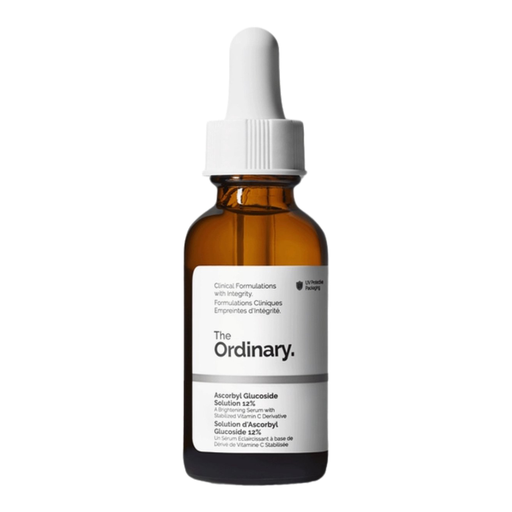
Why it suits this profile: The watery formula with 12% ascorbyl glucoside is a straightforward option for anyone who wants to start with a simple brightening serum.
The product description clearly states the form and concentration of vitamin C, so you do not have to rely solely on a general glow claim.
12% ascorbyl glucoside, a lightweight texture and, according to the product information, free from alcohol, oil and fragrance.
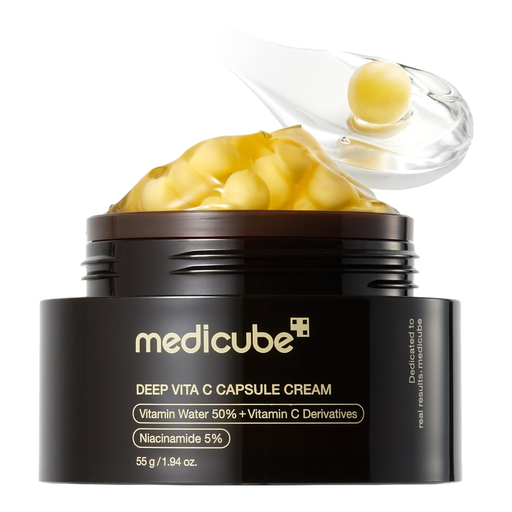
Why it suits this profile: The combination of gel and capsule offers a richer cream experience for anyone who wants to combine vitamin C and hydration in one step.
The two components are designed to be mixed just before use. This suits shoppers who pay attention to freshness and the structure of the formula.
According to the ingredients list, it contains niacinamide, vitamin C components, glycerine and sodium hyaluronate; the gel-to-capsule ratio can be adjusted.
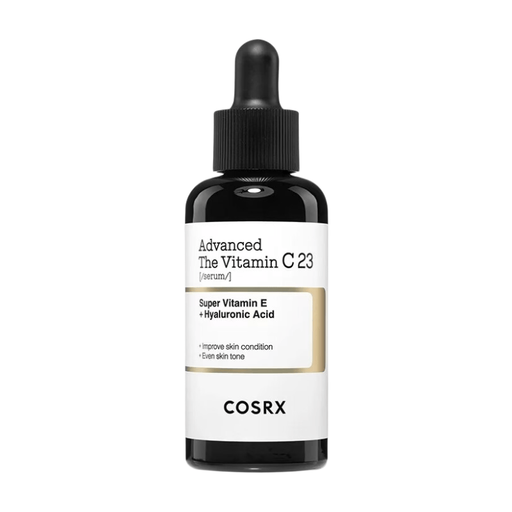
Why it suits this profile: This serum is designed for users who deliberately choose a high concentration of pure vitamin C and are prepared to follow the storage instructions.
The product information states 23% ascorbic acid, recommends a patch test and advises refrigeration after opening. This makes the usage requirements clear from the outset.
23% ascorbic acid, along with panthenol, squalane and sodium hyaluronate; according to the product information, use within two months of opening.

Why it suits this profile: The product description mentions a watery, non-sticky texture without fragrance or colourants, making it suitable for a short daily routine.
The formulation contains no fragrance or colourants. However, always check the current packaging and carry out a patch test first if you have sensitive skin.
According to the product information, it contains niacinamide, allantoin and sea buckthorn fruit extract; lightweight texture and a 30 ml volume.
Apply a vitamin C face serum after cleansing and, if desired, after toner. Use a few drops and follow with a moisturiser. A vitamin C cream can be used afterwards or instead of a serum, depending on its texture and your skin type.
During the day, sun cream is important. Vitamin C does not replace UV protection. Products containing AHA, salicylic acid or high concentrations of vitamin C require extra caution if you have sensitive or compromised skin. Do not introduce several new active products at once; this makes it easier to see how your skin reacts.
We’ve put together a complete, up-to-date list of products that fully meet these strict selection criteria and the applicable European safety regulations.
That depends on the formula and your skin. A product containing a vitamin C derivative and a lightweight texture may be intended for daily use. With pure vitamin C or a combination containing AHA, it is wiser to build up gradually. Stop using the product if you experience persistent redness, itching or irritation, and consult a healthcare professional if in doubt.
Follow the expiry date and the period-after-opening information on the packaging. In most cases, store the serum somewhere cool and away from direct sunlight. Some products, such as a serum containing 23% pure vitamin C, have additional refrigeration and usage instructions.
According to the product description, a serum for dark spots may help create a more even-looking complexion. Results are not guaranteed and vary from person to person. Daily UV protection helps prevent discolouration from becoming more noticeable. For persistent or changing spots, it is best to seek medical advice.
