
Vandaag of morgen in huis

Kwaliteit gegarandeerd

Welkomstaanbiedingen ontgrendelen: GRATIS bezorging | Tot 80% korting | Gratis 30 dagen JoyPlus-proefperiode
Download de app
A vitamin C serum can be a useful addition to a routine for a dull complexion, visible dark spots or uneven skin texture. However, not every facial serum containing vitamin C is the same. Differences include the form of vitamin C used, the concentration, the packaging and the combination of other active ingredients.
If you focus only on words such as “glow”, “anti-ageing” or “intensively brightening”, you risk choosing a product that does not feel comfortable or is quickly forgotten. Instead, look for verifiable product information rather than relying solely on marketing claims.
Pure vitamin C, also known as ascorbic acid, can feel potent. However, a higher concentration will not be comfortable for every skin type. For sensitive skin, a gentler derivative such as 3-O-ethyl ascorbic acid or ascorbyl glucoside may be more practical.
So do not check only the percentage; look at the form of vitamin C too. A product containing 23% ascorbic acid generally requires more care when introducing it into your routine and storing it than a serum containing a stabilised derivative.
A brightening serum may contain niacinamide, alpha-arbutin, tranexamic acid, AHA or hydrating ingredients alongside vitamin C. This combination determines how the product fits into your routine.
A serum for dark spots is not, however, a guarantee that spots will disappear. A brand may describe results based on its own research or product claims, but those claims do not automatically represent a guaranteed outcome for every user. Check the ingredients, directions for use and warnings instead.
Vitamin C formulas can discolour or deteriorate when exposed to light, heat and air. Look for dark packaging, a tightly closing cap and the storage instructions provided by the brand. For Vitamin C23, for example, the product information recommends cool storage and use within two months of opening to help maintain product quality.
Also check the period after opening, such as 6M or 12M. Do not buy a large bottle if you only use serum occasionally.
The main differences are:
A gentle formula may suit beginners or sensitive skin. If you are already used to active ingredients, you could consider a more concentrated product, provided your skin tolerates it.
A niacinamide serum with vitamin C may be worth considering if, alongside a dull appearance, you also want to target uneven texture. Hydrating ingredients such as glycerine, panthenol, betaine and hyaluronic acid can help support how the skin feels.
Do pay attention to combinations, though. A serum containing AHA, such as Olay Vitamin C Serum AHA, may increase sensitivity to sunlight according to the product warning. Do not use formulas like these at the same time as several other strong exfoliating products if you do not know how your skin will react.
Before buying, check:
A hydrating serum with a lightweight texture may feel more comfortable on combination skin. A formula containing more soothing ingredients may be better suited to normal or dry skin. If you have sensitive skin, a patch test is advisable.
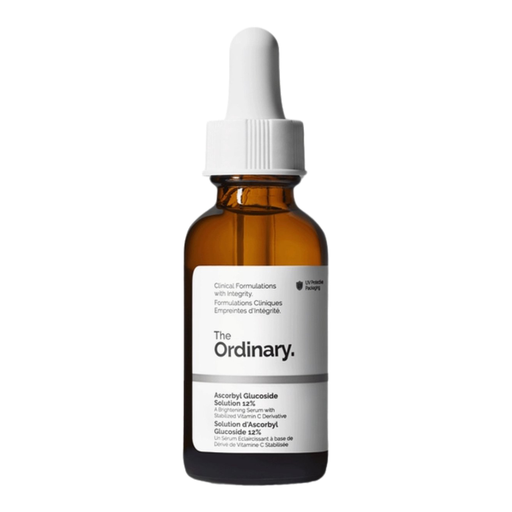
Why it suits this profile: A water-based formula containing 12% ascorbyl glucoside, with a 30 ml size. The product description states that it is suitable for all skin types, including sensitive skin.
The percentage and form of vitamin C are clearly stated. This means you do not have to rely solely on vague glow-related terms.
Lightweight formula; 30 ml; according to the product information, vegan, fragrance-free and alcohol-free.
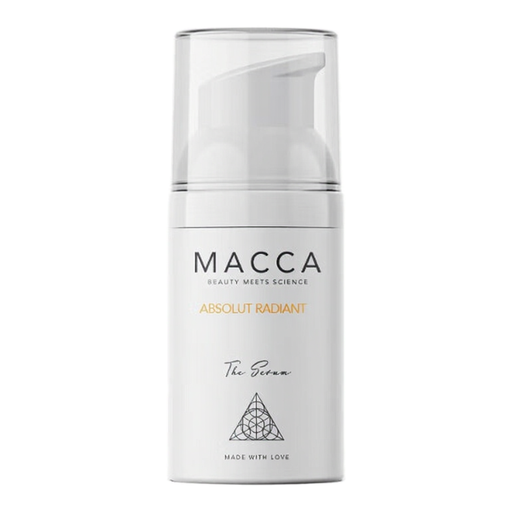
Why it suits this profile: The formula contains 6% vitamin C, pomegranate extract, glycerine and panthenol. This makes it suitable for anyone looking for an antioxidant serum with a nourishing feel on the skin.
The product details state a specific concentration and a period after opening of 6 months.
30 ml; suitable for day and night according to the product information; contains vitamin C and pomegranate extract.
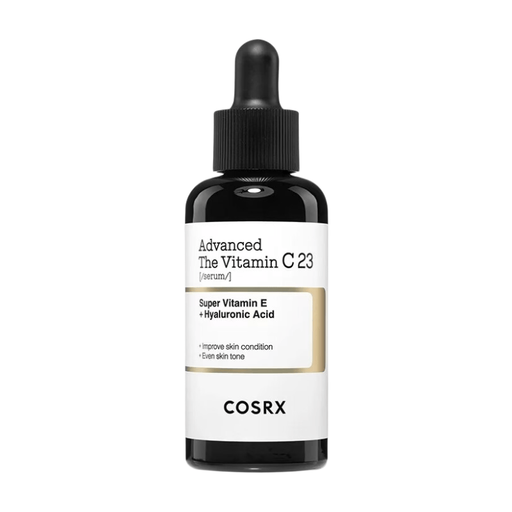
Why it suits this profile: This formula contains 23% ascorbic acid and is aimed at users who deliberately choose a high concentration of pure vitamin C.
The storage instructions are specific: keep refrigerated, avoid light and use within two months of opening.
23% ascorbic acid; 20 ml; also contains panthenol, squalane and sodium hyaluronate.

Why it suits this profile: According to the product description, this serum was developed for sensitive skin and contains vitamin C, niacinamide, allantoin and sea buckthorn extract.
The product information states that the formula is free from fragrance and colourants, so you can check the ingredients in advance with confidence.
30 ml; lightweight, non-sticky texture according to the product description; stated to be vegan.
We have compiled a complete, up-to-date list of products that fully meet these strict selection criteria and the applicable European safety regulations.
Apply the serum to cleansed skin, usually after toner and before moisturiser. If you have sensitive skin, start by using it a few times a week and always follow the label. Wear sunscreen during the day. Vitamin C is not a substitute for sun protection.
Use caution when combining a serum with AHA, retinol or other potent active ingredients. A patch test on a small area of skin can help you assess tolerance. Stop using the product if irritation persists and seek advice from a doctor or pharmacist if in doubt.
That depends on the formula and your skin. A gentle derivative may be used daily according to the directions. With pure vitamin C or a combination with AHA, it is wiser to build up use gradually. Follow the instructions on the packaging.
Check the expiry date and the period after opening. This can vary from one product to another. Store the serum in a cool, dry place away from direct sunlight. If the colour, smell or texture changes noticeably, check the label before continuing to use it.
Vitamin C is often used in formulas designed to promote a more even, radiant-looking complexion. Brands may refer to their own research findings or product claims. Results vary from person to person, and dark spots can have different causes. Daily sun protection remains important.
