
Vandaag of morgen in huis

Kwaliteit gegarandeerd

Welkomstaanbiedingen ontgrendelen: GRATIS bezorging | Tot 80% korting | Gratis 30 dagen JoyPlus-proefperiode
Download de app
A vitamin C face cream may seem like a simple purchase, but the differences between formulas can be significant. Some creams contain a vitamin C derivative, while others combine it with niacinamide, acids, SPF or soothing ingredients. Texture, fragrance and the way you use the product also determine whether the cream feels comfortable and suits your skin.
If you focus only on words such as “brightening” or “anti-ageing”, you could easily end up buying a product that feels too heavy, too irritating or does not provide enough protection. This practical guide helps you focus on verifiable product information rather than bold marketing claims.
“Vitamin C cream” could refer to pure ascorbic acid or a more stable derivative, such as ascorbyl glucoside, sodium ascorbyl phosphate or 3-O-ethyl ascorbic acid. These ingredients differ in formulation and how they feel on the skin. So check the full INCI list rather than just the front of the packaging.
A cream with a vitamin C derivative may be a practical choice for daily use, while a formula containing several active ingredients requires more care when introducing it into your routine.
A product may contain ingredients that, according to its description, are intended to promote a more even complexion or improve dull-looking skin. That does not mean pigmentation is guaranteed to disappear. Exposure to UV rays can also contribute to an uneven complexion.
A cream with SPF is convenient for everyday use. Check the protection level, such as SPF 15, SPF 25 or SPF 30. For prolonged sun exposure, a separate sunscreen with appropriate protection is a sensible addition.
Niacinamide, AHA, BHA, salicylic acid and different forms of vitamin C may all be present in one product. That may sound comprehensive, but for sensitive or blemish-prone skin, such a combination may feel less comfortable. Fragrance, alcohol denat. and citrus oils are also worth checking.
Test a new brightening face cream on a small area of skin first. Stop using it if persistent redness, irritation or a burning sensation occurs, and always follow the warnings on the packaging.
The product information may include names such as:
A higher percentage is not automatically the right choice. The overall formula, packaging, texture and your skin’s reaction are just as relevant.
A day cream with SPF can save time in the morning. According to the product information provided, the Clinique and OLAY products below have SPF 25 or SPF 30. NIVEA Q10 Energy Day Cream contains SPF 15. Bear in mind that the level of protection depends on applying enough product and reapplying it when required according to the label.
Preferably use a vitamin C product on cleansed skin. Apply a moisturiser or sunscreen afterwards if needed. A vitamin C cream can form part of a skincare routine, but it is not a medical treatment for skin problems.
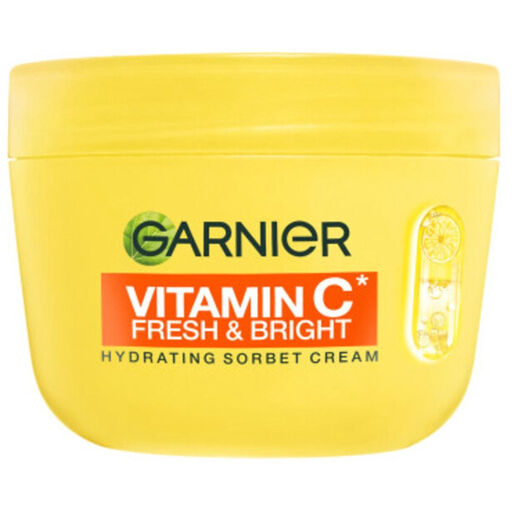
Why it suits this profile: According to the product description, the sorbet texture is designed for daily use and feels light on the skin.
The ingredients list specifies ascorbyl glucoside, niacinamide and salicylic acid, allowing you to check in advance whether this combination suits your skin.
50 ml, a light sorbet texture and a formula containing a vitamin C derivative and niacinamide.
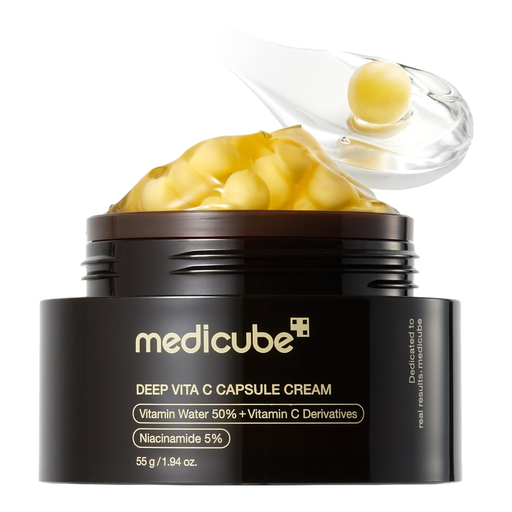
Why it suits this profile: The two-part packaging is designed for shoppers who want to adjust the texture and mixing ratio themselves.
It is clearly stated that the cream consists of a gel component and a vitamin C capsule. This avoids confusion with a standard single-component cream.
5% niacinamide according to the product information, several forms of vitamin C, and use on the face and neck.
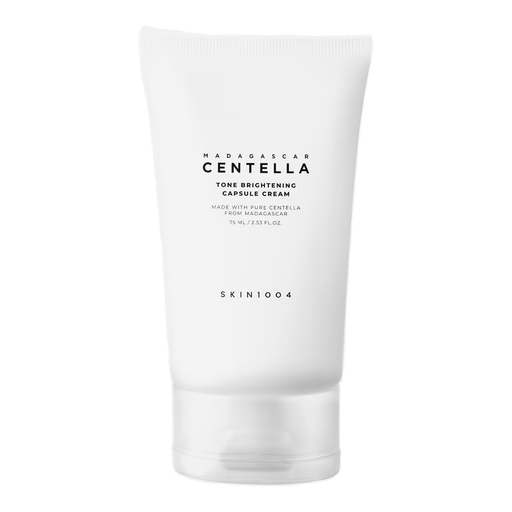
Why it suits this profile: According to the product information, the gel cream is fragrance-free, alcohol-free and suitable for different skin types, including sensitive skin.
The formula lists 60% centella asiatica extract, niacinamide and tranexamic acid. If you have sensitive skin, still check the full ingredients list beforehand.
75 ml, a light gel texture, fragrance-free, and containing panthenol, squalane and sodium hyaluronate.
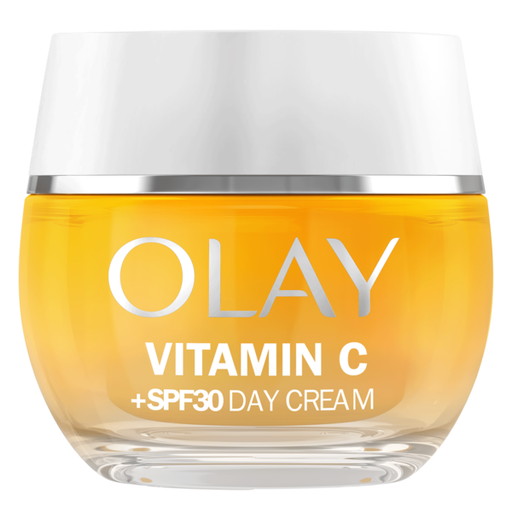
Why it suits this profile: This day cream combines vitamin C, niacinamide, hydration and SPF 30 in one morning step.
The SPF value is clearly stated. This means you do not have to rely on a general protection claim; do check the recommended amount and reapplication guidance.
SPF 30, 24-hour hydration according to the product description, and a light, non-greasy formula.
We have put together a complete, up-to-date list of products that fully meet these strict selection criteria and the applicable European safety regulations.
A cream containing AHA, BHA or salicylic acid requires extra care. Do not immediately combine such products with several exfoliating serums. If you want a simple routine, you can start with a gentle niacinamide cream or a fragrance-free hydrating formula.
According to the ingredients list and product description, a product may be designed to promote a more even complexion or a less dull appearance. Results vary from person to person and depend on the pigmentation. Always use sun protection during the day, and consult a doctor or dermatologist if skin problems persist.
This depends on the form of vitamin C and the rest of the formula. A simple cream with a vitamin C derivative is often intended for daily use according to the label. Products containing acids, fragrance or several active ingredients may require a longer adjustment period. Stop using the product if irritation occurs.
Check the expiry date, batch information and period after opening on the packaging. Store the cream in a cool place away from direct sunlight when recommended. A change in smell, colour or texture is a reason to stop using the product.
