
Vandaag of morgen in huis

Kwaliteit gegarandeerd

Welkomstaanbiedingen ontgrendelen: GRATIS bezorging | Tot 80% korting | Gratis 30 dagen JoyPlus-proefperiode
Download de app
Vitamin supplements may seem easy to compare: choose a nutrient, check the dosage and add the product to your basket. Yet many consumers end up paying for a formula that is not right for their needs. A high dosage is not automatically necessary, a large number of capsules says little about the formulation, and a claim on the packaging is not personalised advice.
In this guide from the Joybuy Product Recommendation Officer, you will learn what to look for when choosing vitamin D3, vitamin C, multivitamins and mineral supplements. This helps you compare products based on verifiable specifications rather than marketing language.
Products containing, for example, vitamin D3 75 mcg or vitamin C 1000 mg immediately stand out. That may suit a specific need, but more is not necessarily required for everyone. Always check:
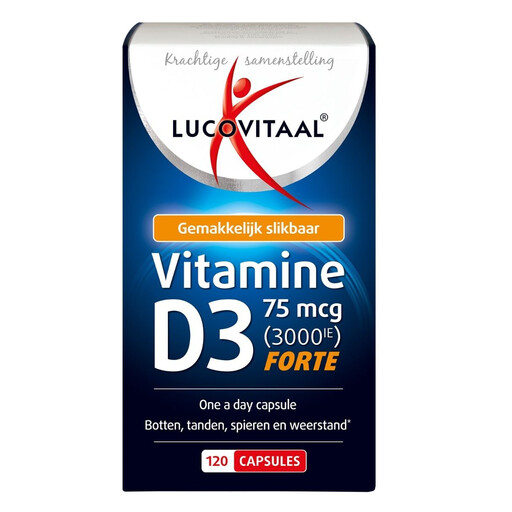
There are several practical options for vitamin D, such as vitamin D3 10 mcg, vitamin D3 25 mcg and vitamin D3 75 mcg. The right dosage depends on your personal circumstances, diet and the advice of a doctor or pharmacist.
The front often features words such as “strong”, “energy” or “immunity”. The ingredients list tells you more. Check the form used, excipients, allergens and how often you need to take the product.
A capsule taken once a day may be more convenient than a product requiring several tablets. If you find swallowing difficult, consider chewable tablets, effervescent tablets or direct sticks. When choosing vegan vitamins, always check the full ingredients list: a product may appear vegan in its title, while the capsule itself contains gelatine, for example.
Tiredness can have several causes. An iron supplement is therefore not automatically the right choice when you have low energy. Iron products are mainly relevant when there is an established need or appropriate advice. If you take medication, are pregnant or breastfeeding, have a medical condition or are due to undergo medical treatment, it is advisable to consult a doctor or pharmacist.
According to the product information, certain nutrients may contribute to normal bodily functions. This is different from promising that a supplement prevents or treats a medical condition.
First, check the amount per daily serving, not just the amount per tablet. For example, a multivitamin may contain a broad mix of vitamin A, B vitamins, C, D3, E and K1, as well as minerals such as magnesium, iron, zinc and selenium. This is practical if you are looking for one general supplement, but less suitable if you only want to top up your vitamin D3 intake.
When choosing a mineral supplement, pay particular attention to the minerals included and their quantities. Products containing zinc and selenium, for example, may also contain vitamins A, B6, C and E. This helps you avoid unintentionally doubling up on ingredients.
The format can determine whether you are likely to use the product consistently:
Also check the recommended age range. A product for adults is not automatically suitable for children or teenagers.
If you are looking for vegan or sugar-free supplements, check both the product label and the ingredients. Examples from the range include:
Bear in mind that product information may vary between variants. If the information on a product page conflicts, the current label on the packaging takes precedence.
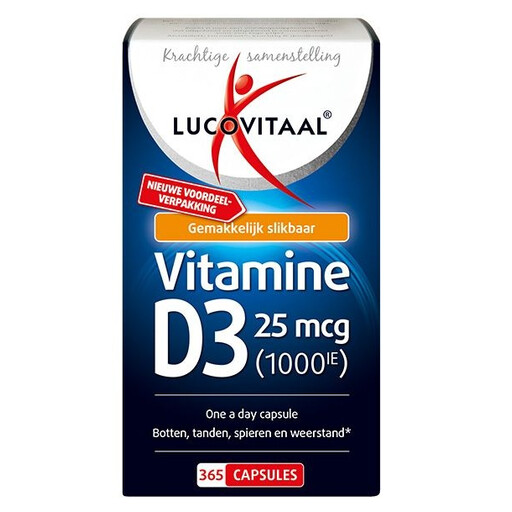
Why it suits this profile: A straightforward choice for adults who want to take vitamin D3 every day. The pack contains 365 capsules, with a recommended intake of one capsule per day.
The dosage and daily serving are clearly stated. This allows you to compare products based on 25 mcg per capsule rather than packaging claims alone.
25 mcg of vitamin D3 per capsule, 365 capsules and a small capsule according to the product description. This product is not vegan.
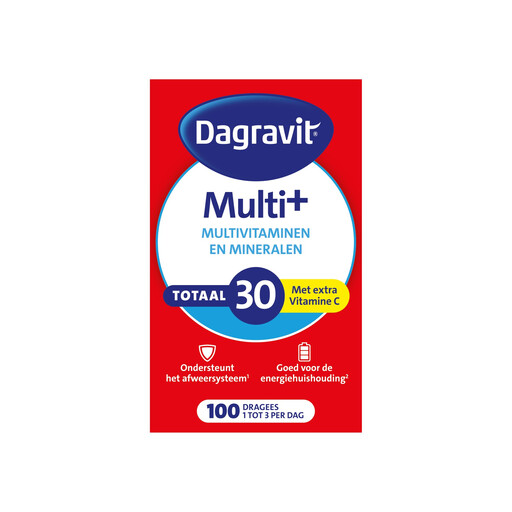
Why it suits this profile: Suitable for adults who prefer one broad multivitamin formula rather than combining several separate supplements.
The formulation contains several vitamins and minerals, with the reference intake stated for each daily amount. However, check that you are not taking duplicate dosages.
Contains vitamins A, B vitamins, C, D3 and E, as well as iron, magnesium, zinc and selenium. The recommended intake is 1 to 3 dragees per day.
Why it suits this profile: For adults specifically looking for an iron supplement who prefer to take it without water. Do not use this type of product automatically for tiredness without appropriate advice.
The packaging states the amounts per stick: 14 mg of iron, 80 mg of vitamin C and 400 mcg of folic acid. It also includes a warning for people with, among other conditions, kidney disease.
A direct stick that requires no water, containing iron bisglycinate, vitamin C and folic acid. The product information states that it has a vegan and sugar-free formulation.
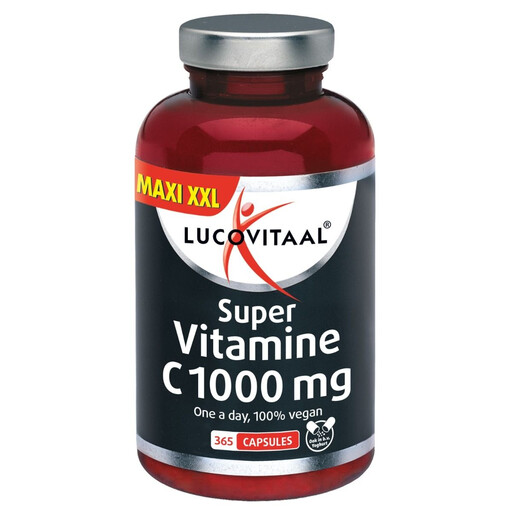
Why it suits this profile: An option for adults looking for vegan vitamins who want to take vitamin C in capsule form.
The product information states that each capsule contains 1000 mg of vitamin C, with a vegan formula and a fixed intake of one capsule per day.
365 capsules, vegan capsule material and the option to open the capsule as instructed and mix it with yoghurt or juice.
We have put together a complete, up-to-date list of products that fully meet these strict selection criteria and the applicable European safety regulations.
That depends on your diet, age, lifestyle and personal circumstances. A multivitamin can provide broad support, while vitamin D3, vitamin C or zinc and selenium are more targeted options. Compare the dosage and avoid overlap between several products.
The best-before date is stated on the packaging. Once opened, follow the manufacturer’s storage advice, such as keeping the product dry, sealed and out of reach of young children. How long you should use it depends on the nutrient and your needs. Do not take it for longer or in larger amounts than stated on the label without consulting a healthcare professional.
No. These are specific dosages and are not a standard choice for every adult. Check your total daily intake and, if in doubt, ask a doctor or pharmacist for advice. A varied diet and healthy lifestyle remain the foundation; supplements do not replace them.
