
Vandaag of morgen in huis

Kwaliteit gegarandeerd

Welkomstaanbiedingen ontgrendelen: GRATIS bezorging | Tot 80% korting | Gratis 30 dagen JoyPlus-proefperiode
Download de app
When looking for vitamin supplements for the immune system, you quickly come across terms such as “extra strong”, high doses and complete formulas. This can make comparing products difficult. A supplement may suit your diet and daily routine, but a higher dose or longer list of ingredients is not automatically necessary.
Pay particular attention to the composition, recommended daily dose, method of intake and suitability for your circumstances. A supplement complements a varied diet and is not a substitute for one.
A 1000 mg vitamin C supplement may sound appealing, but you do not always need such a high amount. Check the recommended daily dose and the percentage of the reference intake (RI). Do not use several products containing the same nutrient without checking the total amount.
Claims such as “vegan”, “gluten-free” or “easy to absorb” should be checked against the ingredients list and product information. With supplements, other ingredients, sweeteners, gelatine, milk components and allergens may also be relevant.
Multivitamins often contain vitamin C, vitamin D, zinc, selenium and sometimes iron. If you combine these with a separate vitamin C 1000 mg, vitamin D3 or zinc and selenium supplement, your total intake may increase unnecessarily. Always compare the daily amount per product.
Check how many micrograms (mcg), milligrams (mg) or international units (IU) you take each day. With vitamin D, for example, you will find options such as vitamin D 25 mcg, vitamin D 75 mcg and 10 mcg. The right choice depends on your personal circumstances, diet, exposure to sunlight and, where applicable, advice from a doctor or pharmacist.
Vitamin C is available in forms including 70 mg chewable tablets, 1000 mg vitamin C effervescent tablets and 1000 mg capsules. The form and dosage can vary considerably, even when the product names sound similar.
A capsule taken with water may fit neatly into an established morning routine. A chewable or effervescent tablet may be more convenient if you find swallowing difficult. Check the sugar and sweetener content of chewable tablets. Effervescent tablets may contain a source of phenylalanine, so check the label if this is relevant to you.
Direct sticks are practical when you are on the go. According to the product information, the Lucovitaal iron supplement contains iron bisglycinate, vitamin C and folic acid, and can be taken without water. According to the information provided, this product is intended for adults and is not suitable for people with kidney problems.
If you are looking for vegan vitamins, do not rely on the product title alone. Check the capsule material and other ingredients. Some vitamin D3 capsules carry a vegan claim, while elsewhere in the product information bovine gelatine is listed. If the information is contradictory, the packaging or confirmation from the seller should take precedence.
Also look for lactose-free and gluten-free options. According to their product information, ROTER vitamin C chewable tablets and Dagravit Multi+ are listed as lactose-free; the ROTER version is also described as gluten-free. According to the ingredients list, Lucovitaal L-Lysine contains a milk flavouring and is therefore not a logical choice for anyone with a milk allergy.
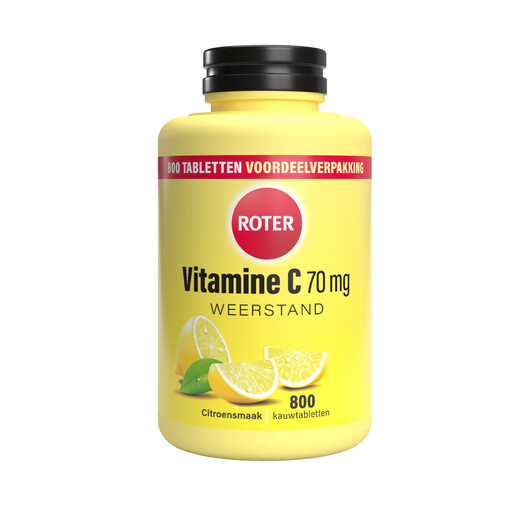
Why it suits this profile: The large pack is ideal for anyone who wants to take vitamin C daily without having to put together a complicated combination of supplements. The chewable tablet can be taken without water.
The dosage is clearly stated: according to the label, four tablets provide 280 mg of vitamin C. This allows you to compare the actual daily dose rather than simply the number of tablets.
800 chewable tablets, lemon flavour and, according to the product information, lactose-free and gluten-free.
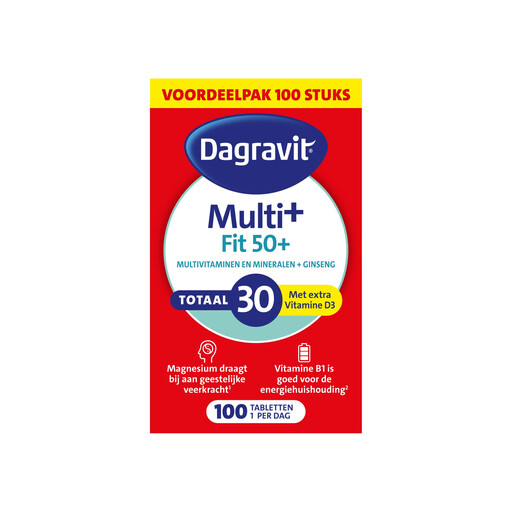
Why it suits this profile: This multivitamin is aimed at adults aged 18 and over who want to combine several vitamins and minerals in one daily tablet.
The nutritional table shows the amounts of vitamin D, C, zinc, selenium and iron per tablet. This makes it easier to avoid doubling up with separate products.
According to the product information, it contains several vitamins, minerals and ginseng; one tablet per day and lactose-free.
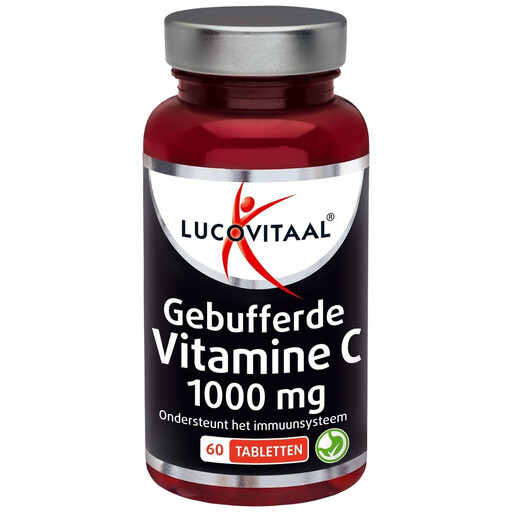
Why it suits this profile: A daily 1000 mg tablet may suit adults who deliberately choose a high vitamin C dose and a vegan tablet format.
The product description specifies calcium ascorbate and magnesium ascorbate rather than simply stating “vitamin C”. However, check that 1000 mg fits within your total daily intake.
60 tablets, 1000 mg of vitamin C per tablet and, according to the product information, vegan and free from the 14 major EU allergens.
We have put together a complete, up-to-date list of products that fully meet these strict selection criteria and the applicable European safety regulations.
Vitamin C and vitamin D are often chosen for daily support. According to authorised nutrition claims, these vitamins contribute to the normal function of the immune system. Individual needs vary. Therefore, check your diet, other supplements and the recommended dosage on the label.
That depends on your personal circumstances. Products containing 25 mcg and 75 mcg are both available, but a higher dose is not automatically suitable. The Voedingscentrum or your GP can advise you about taking extra vitamin D, for example if you have limited exposure to sunlight, depending on your age or if you have dark skin.
The expiry date is shown on the packaging, but how long you should use a product depends on the type of product and your needs. Do not routinely use several products containing the same vitamins or minerals without seeking advice. If you take medication, are pregnant or breastfeeding, have a medical condition or are unsure, it is advisable to consult your GP or pharmacist.
