
Vandaag of morgen in huis

Kwaliteit gegarandeerd

Welkomstaanbiedingen ontgrendelen: GRATIS bezorging | Tot 80% korting | Gratis 30 dagen JoyPlus-proefperiode
Download de app
A search for vitamin supplements can quickly bring up hundreds of options: multivitamins, vitamin C supplements, vitamin D, zinc, co-enzyme Q10 and antioxidant formulas. The differences aren’t just about brand or price. Dosage, intended user, format and ingredients all help determine whether a product fits your daily routine.
The biggest mistake usually isn’t buying a supplement; it’s choosing one based on eye-catching claims rather than information you can verify.
A formula with 30 or more ingredients may sound comprehensive, but check the amount per tablet too. The dosage of plant extracts, enzymes and antioxidants isn’t always broken down in full. This can make it difficult to compare products fairly.
So, check:
More isn’t automatically more practical. A vitamin C supplement with 1000 mg per capsule is quite different from a multivitamin with 80 to 200 mg of vitamin C. It’s also worth checking how much zinc, vitamin D and vitamin A you’re already getting from other products.
Don’t take several supplements containing the same nutrients without comparing their labels. If you take medication, are pregnant or breastfeeding, or have a medical condition, it’s sensible to speak to a doctor or pharmacist.
Permitted label claims may refer to the functions of vitamin C, D, B vitamins or zinc, for example. This doesn’t mean a supplement prevents a disease or can diagnose a deficiency in you. Claims about plant extracts may also have a different level of supporting evidence. According to Davitamon’s product information, for example, the claim about ginseng and cognitive function has not yet received final approval from the European Union.
So, start by checking the ingredients and directions for use. Don’t let terms such as “energy”, “resistance” and “vitality” be your only reason to buy.
The Nutrient Reference Value helps you put the amount of vitamins and minerals into context. A product providing 100% NRV contains a different amount from a high-dose formula providing 250% or 400% NRV.
Examples from the selected products:
These products aren’t directly interchangeable. Choose a dosage based on your diet, your needs and any other supplements you take.
A capsule, tablet, chewable tablet or effervescent tablet may contain the same nutrient, but some formats will suit you better than others.
Check the recommended intake too. Most products in this selection recommend one tablet or capsule a day, but Swanson Greens Purple Antioxidants recommends one or two capsules a day.
Check whether the product is vegan, vegetarian, gelatine-free or free from specific allergens. Also check what the capsule is made from. For example, Lucovitaal Q10 100 mg lists soya and beef gelatine in its ingredients, while the 30 mg version has a different composition.
Store food supplements in a cool, dry place and out of the reach of young children. Always refer to the packaging for the expiry date and batch information.
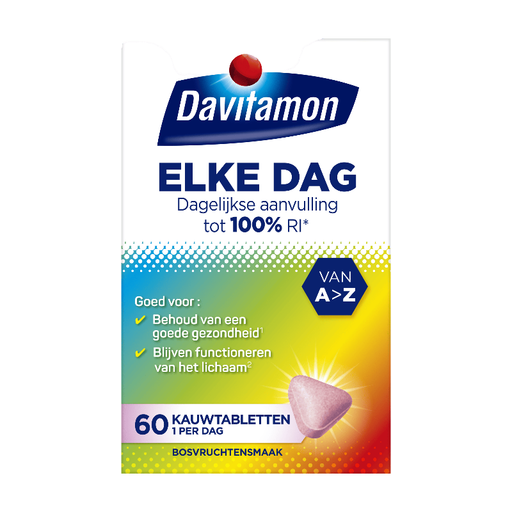
Why it suits this profile: A straightforward daily multivitamin for adults, with 22 vitamins and minerals and one chewable tablet a day.
The amounts per tablet and the NRV percentages are clearly listed. So, you don’t have to rely on general terms such as resistance or energy.
Forest fruit-flavoured chewable tablet; according to the product information, free from gluten, lactose and gelatine.
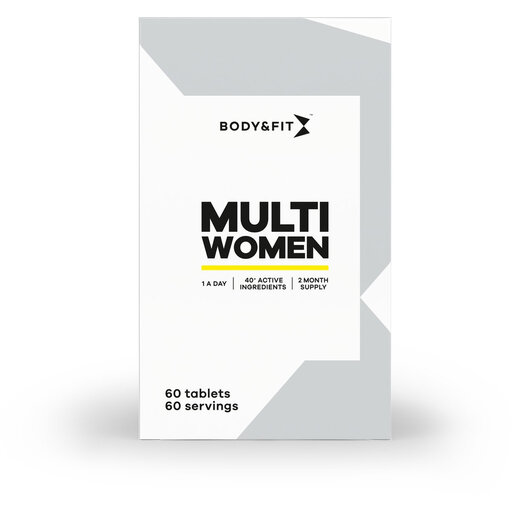
Why it suits this profile: Designed for women who want to compare a comprehensive formula containing vitamins, minerals and additional ingredients.
The ingredient list gives the amount per tablet for vitamin C, D3, zinc, iron, magnesium and co-enzyme Q10, among other ingredients.
More than 30 active ingredients listed; 60 tablets, with a daily serving of one tablet.
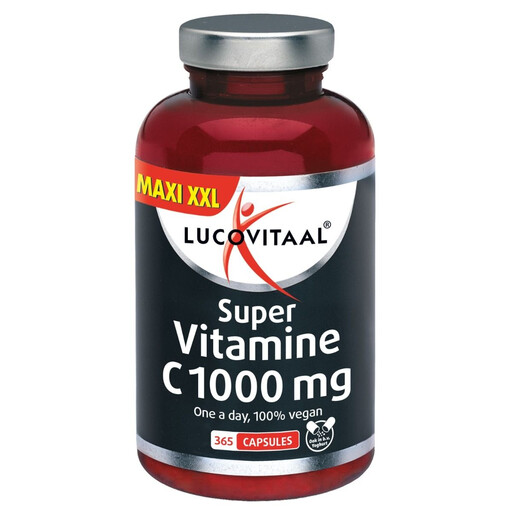
Why it suits this profile: Suitable for adults who want to choose a standalone vitamin C supplement with a fixed, high dose.
The dose isn’t hidden in a blend: the product information lists 1000 mg of vitamin C per capsule. Still, check that this works alongside any other supplements you take.
365 vegan capsules; according to the product information, you can also open the capsule and mix its contents with yoghurt or juice.
We’ve put together a complete, up-to-date list of products that meet these strict selection criteria and the current European safety requirements.
A multivitamin for women isn’t the same as a 50+ multivitamin. Davitamon Actifit 50+ contains vitamin D3, B vitamins, minerals and 100 mg of Panax ginseng extract per tablet, among other ingredients. According to the product information, this formula is intended for adults aged 50 and over. If you’d prefer a standalone antioxidant formula, you could consider Swanson Greens Purple Antioxidants, with 400 mg of purple fruit and vegetables per capsule. The individual amounts of the ingredients in this blend aren’t listed.
For a more targeted choice, options include Lucovitaal zinc with copper, co-enzyme Q10 in doses of 30, 100 or 200 mg, and a Multi A-Z effervescent tablet. Always compare the dosage, allergens, capsule material and recommended use.
Please note: NIVEA Cellular Vitamin C Face Serum is a cosmetic product for external use. It contains vitamins C and E in a skincare formula, but it isn’t a food supplement and must not be taken.
How long you can take them depends on the product and your personal circumstances. Many packs contain 30 to 365 daily servings. Follow the recommended amount on the label, and don’t combine products containing the same vitamins without checking your total intake.
That depends on what you’re looking for. A multivitamin combines several nutrients, while a standalone vitamin C supplement provides a specific dose. Compare the labels and avoid combinations that result in unnecessary overlap.
The cost per day depends on the purchase price, the number of capsules or tablets and the recommended dose. A pack of 365 capsules may work out cheaper per day, but a higher dose or several capsules a day will change the calculation. So, divide the price by the number of daily servings, not just by the number of items in the pack.
