
Vandaag of morgen in huis

Kwaliteit gegarandeerd

Welkomstaanbiedingen ontgrendelen: GRATIS bezorging | Tot 80% korting | Gratis 30 dagen JoyPlus-proefperiode
Download de app
Vitamin products may seem easy to compare, but the differences often lie in the details. A colourful vitamin drink, for example, may contain vitamins, but also sugar or sweeteners. A vitamin D supplement may be suitable for young children, while a multivitamin may be intended for a different age group. And when it comes to vitamin-based skincare, a striking claim does not automatically say anything about whether a product is suitable for your skin.
The most common purchasing mistakes are:
First, check who the product is intended for. Vitamin D products for children often specify a particular age and daily amount. According to the product information from Davitamon, the Dutch Health Council advises babies and children up to the age of 4 to take 10 micrograms of vitamin D daily. For older children, this advice may depend on factors including time spent outdoors and skin type. If in doubt, check the latest information from the Voedingscentrum or ask your GP or pharmacist for advice.
Pay attention to the difference between:
Always follow the dosage on the label and do not combine several products containing the same vitamins without checking first.
Do not compare only the front of the packaging. Check the ingredients list and nutritional value per 100 ml or per serving.
Capri-Sun Multi Vitamin lists, among other things, 12 mg of vitamin C per 100 ml, along with niacin, vitamin E, B6, B1 and biotin. The 40 x 200 ml variant also contains 4.4 grams of sugar per 100 ml. This makes it important to view the drink as something for occasional use, rather than as a standard replacement for water.
According to the product description, the Zero Sugar variant contains 0 grams of sugar per 100 ml, but it does contain sweeteners such as sucralose, cyclamate and saccharin. “Sugar-free” therefore does not mean “free from sweeteners”. Also check the fruit content: this variant is stated to contain 7% fruit.
A bottle with a dropper is practical for a fixed daily amount, but accurate dosing is only possible when you follow the instructions. Check the storage period after opening. According to the product information, Lucovitaal Vitamin D Drops Kids can be used for six months after opening. According to the label, Davitamon Junior 1-3 should be stored in the fridge after opening and used within three months.
When it comes to vitamin C serum, other points are important:
According to the brands’ product information, vitamin C serums may help skin look more radiant. These are manufacturer product claims and do not guarantee a particular result.
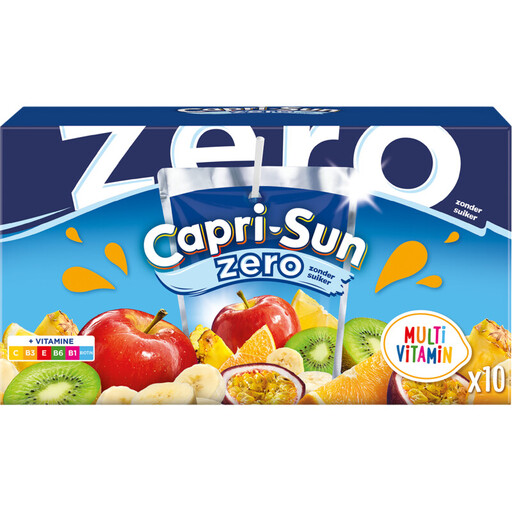
Why it suits this profile: Individually portioned packaging for taking on the go or sharing, with no sugar according to the product information.
The product information lists both the sweeteners and the nutritional value. This shows that sugar-free is not the same as free from sweeteners.
10 x 200 ml; contains vitamin C, niacin, vitamin E, B6, B1 and biotin; easy to take with you.
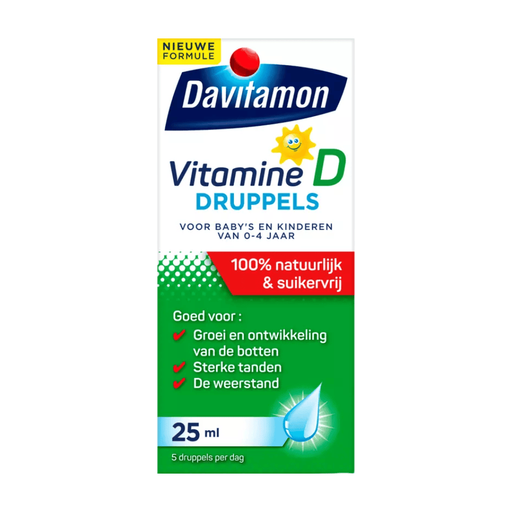
Why it suits this profile: For parents looking for a simple formula and a fixed dosage for babies and children.
The recommended amount is clearly linked to five drops per day. However, always check that no other vitamin D product is being used.
25 ml; oil-based formula with sunflower oil and vitamin D3; 10 micrograms per daily dose according to the product information.
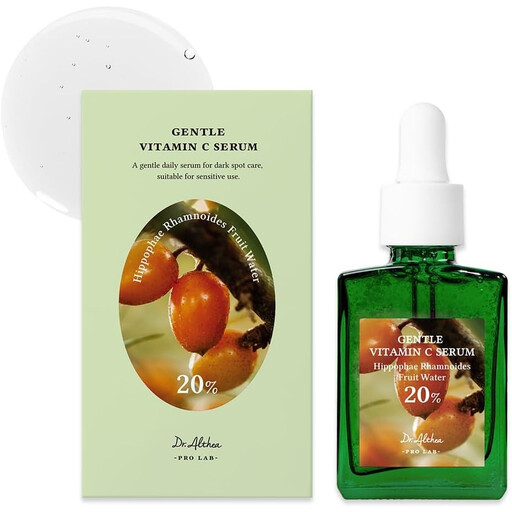
Why it suits this profile: A choice for adults who want to include vitamin C in their daily skincare routine and are looking for a fragrance- and colourant-free formula.
The description explicitly states that the serum contains no fragrance or colourants. Nevertheless, test it on a small area of skin first.
30 ml; contains vitamin C, niacinamide, allantoin and sea buckthorn extract according to the ingredients list; for external use.
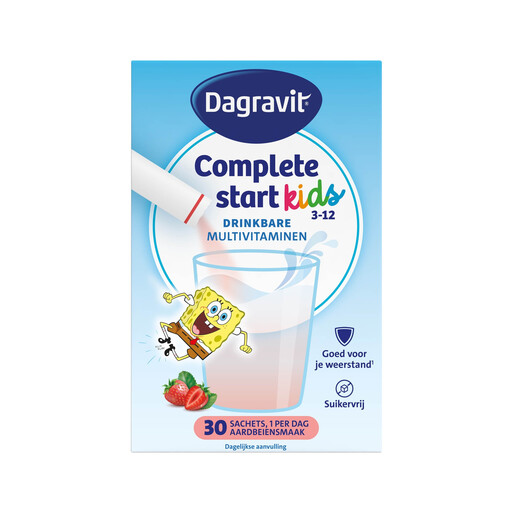
Why it suits this profile: For children aged 3 to 12 who would rather dissolve a sachet than use drops or tablets.
The minimum age of 3 and the preparation method using 200 ml of water are clearly stated. This makes it less likely that the product will be chosen for the wrong age group.
30 sachets; strawberry flavour; contains vitamin C, D3, calcium, magnesium and zinc, among other ingredients, according to the product information.
We have put together a complete, up-to-date list of products that fully meet these strict selection criteria and the applicable European safety regulations.
That depends on age, diet, lifestyle and personal circumstances. A supplement does not replace a varied diet. There is Dutch advice on vitamin D for certain age groups and situations. Check the latest guidelines and ask a healthcare professional for advice if you are unsure.
This varies by brand and product. Lucovitaal Vitamin D Drops Kids states that the product can be used for six months after opening. Other products may have a shorter period or specific storage instructions. If necessary, note the opening date on the packaging and always follow the label.
No. Vitamin C serum is intended for external use on the skin. A vitamin supplement is intended to be taken orally. Do not use a cosmetic serum on or around the eyes, and stop using it if redness, itching or irritation occurs.
