
Vandaag of morgen in huis

Kwaliteit gegarandeerd

Welkomstaanbiedingen ontgrendelen: GRATIS bezorging | Tot 80% korting | Gratis 30 dagen JoyPlus-proefperiode
Download de app
When buying vitamin and mineral supplements, you will soon come across terms such as “high-strength”, “for energy” or “for hair and skin”. However, descriptions like these do not always tell you enough about the ingredients, dosage or suitability for your situation. A few simple checks can help you avoid paying for ingredients you do not need or choosing a product that is difficult to take.
A multivitamin containing dozens of vitamins, minerals, plant extracts and amino acids may look comprehensive. However, the amount per daily dose is particularly important. A product may contain many substances, while some minerals provide only a small proportion of the reference intake.
So compare the nutrition table and look at:
A higher dosage is not automatically better suited to your daily routine. This is especially relevant when you combine several products, as the same vitamin or mineral may appear in different formulas. For example, this may include a multivitamin, a vitamin B complex and a separate vitamin B12 product.
Always check your total intake and follow the label. A supplement is not a substitute for a varied diet. If you take medication, are pregnant or breastfeeding, or have a medical condition, it is advisable to consult a doctor or pharmacist.
Are you looking for energy and less tiredness, supplements for the immune system or vitamins for hair and skin? If so, pay attention to the difference between a product description and a proven personal effect. Brand claims should not be interpreted as a guarantee for everyone. According to the manufacturer’s product information, certain nutrients may contribute to normal bodily functions; this does not mean that a supplement can independently identify or treat tiredness, hair problems or a deficiency.
A daily multivitamin often contains several B vitamins, vitamin C, vitamin D and minerals such as zinc, selenium or magnesium. If you are specifically looking for vitamin B12, it is better to compare the amount and form of B12. A product containing 1000 micrograms of methylcobalamin has a different composition from a multivitamin containing a much lower amount of B12.
For a magnesium supplement, look at the amount of elemental magnesium, not just the name of the magnesium compound. With an iron supplement, check the amount of iron per tablet and any additional ingredients such as vitamins C, B6 and B12, and folic acid.
A product that you can use consistently is a better fit for your routine than a formula with a complicated schedule. Check:
For example, Opti-Men from Optimum Nutrition states a daily dose of three tablets. Davitamon Hair Vitaal and Davitamon Vitamin B Complex Forte state a dose of one tablet per day. This difference affects ease of use and the number of days each pack will last.
A multivitamin for men or multivitamin for women may have a specific composition, but always check that the ingredients suit your diet. Also check for allergens. For example, product information states that Optimum Nutrition Opti-Men 90 capsules contain soya and gluten, while other products list none of the 14 main EU allergens.
Also pay attention to specific warnings. Not everyone needs an iron supplement, and excessive iron intake can be harmful. Lucovitaal Biotin 10.000 mcg states that biotin may affect laboratory test results; therefore, do not use the product before a blood test without discussing it with a healthcare professional.
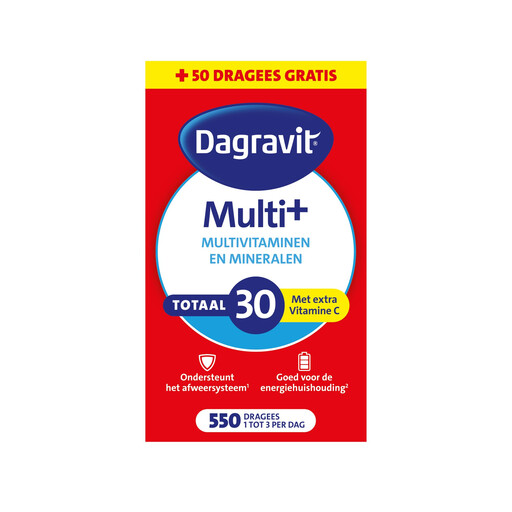
Why it suits this profile: The formula contains a range of vitamins and minerals for adults, with a flexible recommended dose of one to three coated tablets per day.
The nutrition table shows the amounts for one to three coated tablets, allowing you to compare the dosage in advance.
200 coated tablets, a broad composition and, according to the product information, free from gluten and lactose.
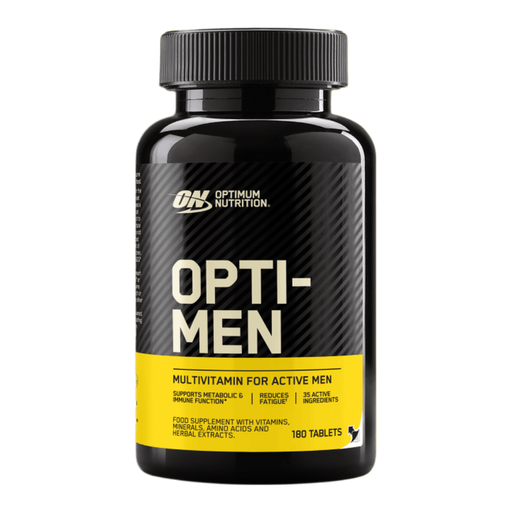
Why it suits this profile: Designed for adult men with an active lifestyle who are looking for a broad formula containing vitamins, minerals, amino acids and plant extracts.
The packaging clearly states a daily dose of three capsules and gives individual amounts for each vitamin and mineral.
180 capsules, more than 30 listed active ingredients and an amino acid blend containing leucine, isoleucine, valine and glutamine.
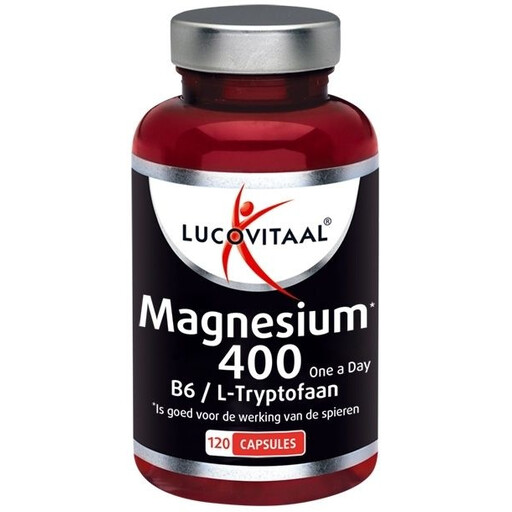
Why it suits this profile: A targeted choice for adults who are not looking for a broad multivitamin, but for magnesium with vitamin B6 and L-tryptophan.
The product page states that each capsule contains 400 mg of elemental magnesium, so you do not have to rely solely on the name of the compound.
120 capsules, one capsule per day and, according to the product specifications, the addition of 1.4 mg of vitamin B6 and 25 mg of L-tryptophan.
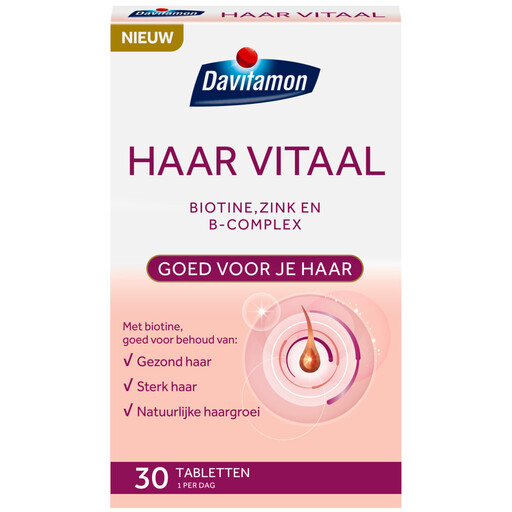
Why it suits this profile: For adults who want to use a compact formula containing biotin, zinc and several B vitamins as a supplement to their daily diet.
The composition specifies the exact amount of biotin, zinc and B vitamins per tablet, rather than relying solely on a general haircare label.
30 tablets, one tablet per day and, according to the product information, free from gluten and lactose.
We have put together a complete, up-to-date list of products that fully meet these strict selection criteria and the applicable European safety regulations.
Start by checking the ingredients, rather than the marketing claim. Vitamin B12, a vitamin B complex, iron and magnesium often appear in searches relating to energy. Each has a different role, and none is automatically suitable without an established need. If you experience persistent tiredness, it is advisable to consult a doctor rather than taking several products at the same time.
This depends on the dosage, the product and your personal circumstances. Follow the recommended daily amount, check the use-by date and store the product according to the packaging instructions. Do not use several supplements containing the same nutrients without checking your total intake.
A formula aimed at a specific group may differ in its vitamins, minerals or dosages, but “for men” or “for women” is not a substitute for checking the label. Compare the composition with your diet and take account of special circumstances such as pregnancy, breastfeeding, medication use or an established deficiency.
