
Vandaag of morgen in huis

Kwaliteit gegarandeerd

Welkomstaanbiedingen ontgrendelen: GRATIS bezorging | Tot 80% korting | Gratis 30 dagen JoyPlus-proefperiode
Download de app
Vitamin gummies are easy to take and often have a fruity flavour. This makes them appealing to children, adults and athletes who would rather not swallow tablets. However, colourful packaging says little about whether a supplement is suitable. The key differences lie in age guidance, dosage, ingredients and nutritional values.
As a Joybuy Product Recommendation Officer, I filter product information according to practical purchasing criteria. This helps you avoid paying for a formula that does not suit your needs.
Do not just look at the number of gummies in a jar. Check how many gummies you need to take each day. For example, a pack of 60 may last 30 days when taking two gummies a day, but 60 days when taking one a day. That is why you should always compare the price per daily dose.
Sugar-free vitamins often use maltitol, sorbitol, xylitol or stevia. These ingredients can improve the flavour and texture, but consuming large amounts of certain polyols may have a laxative effect for some people. Check the ingredients list and follow the recommended dosage.
Gummies containing sugar or glucose syrup also require extra attention to oral hygiene. This applies, for example, to some multivitamin gummies for children.
A gummy containing vitamin D, vitamin C, omega 3 or biotin is intended to provide a specific supplement. That does not mean every user needs the same amount. Consider age, any allergies, medication and other supplements already being taken.
Claims about effects should also be read carefully. When a brand describes an effect, the product information is based on the formula and permitted nutrition claims. With herbal or sleep products, for example, a claim may still be awaiting European approval. Do not treat such information as a medical promise.
The age shown on the label is a practical minimum requirement. There are various formulas for children, such as:
A gummy is not a sweet. Keep the packaging out of the reach of young children and ensure that children take the gummies under supervision.
Do not only compare the amount of a particular vitamin; look at the complete formula. For example, check:
The recommended reference intake is usually shown on the label. A higher percentage is not automatically more beneficial. Also, do not combine different supplements without checking your total intake.
Gummies are soft and easy to chew, but not every formula suits every preference. Look out for:
If you prefer a broader formula, you can also compare vitamin chewable tablets. These are often less sweet, while gummies are particularly appealing to people who find capsules or tablets difficult to take.
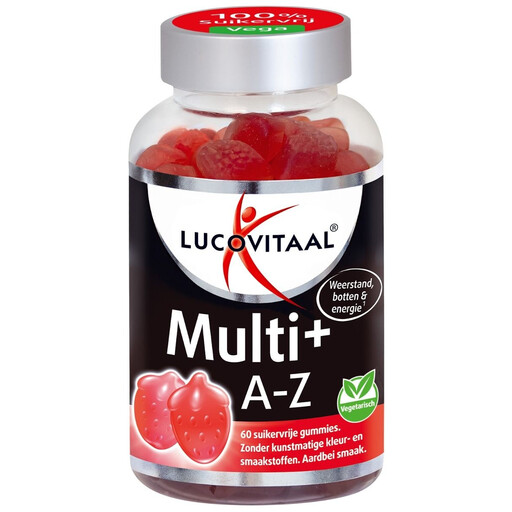
Why it suits this profile: A straightforward formula for adults, with one gummy per day and a convenient jar containing 60 gummies.
The daily dosage is clearly stated. According to the product information, the formula is sugar-free and suitable for vegetarians.
A-Z formula containing vitamin C, D3, B12, vitamin E and zinc, among others; strawberry flavour.
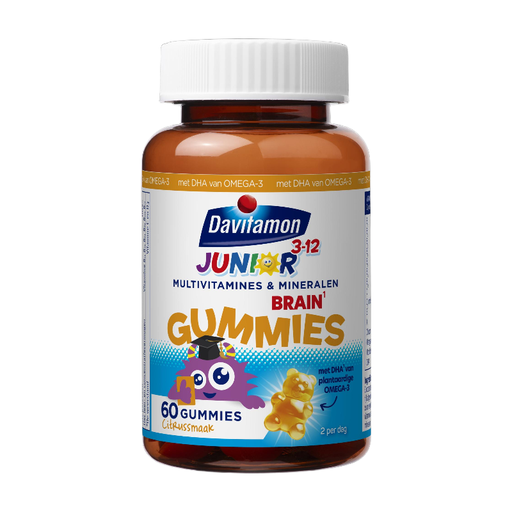
Why it suits this profile: Designed for children aged 3 to 12 and containing a range of vitamins, minerals and DHA from algae oil.
The age guidance, daily dosage and nutritional values per two gummies are stated separately in the product information.
Contains vitamin D3, vitamin C and DHA from algae oil, among others; gelatine-free according to the product description.
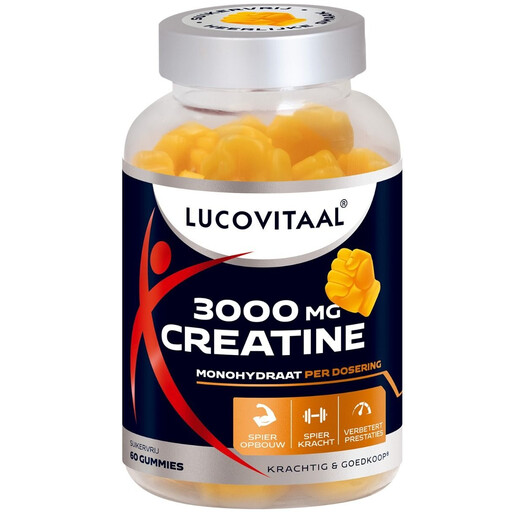
Why it suits this profile: For athletes who want to use creatine without mixing powder and who want to take their daily dosage with them easily.
The amount is clearly stated: according to the product information, 3 gummies provide 3000 mg of creatine monohydrate.
Vegan and sugar-free according to the product description; lemon and apple flavour; 60 gummies per pack.

Why it suits this profile: Intended for children aged 5 and over and made with plant-based perilla oil.
The source of the omega 3 is clearly stated as perilla oil. According to the label, the formula contains no sugar and is vegan.
Each daily serving of four gummies provides 360 mg ALA; apple flavouring; 60 gummies per pack.
We have put together a complete, up-to-date list of products that fully meet these strict selection criteria and the applicable European safety regulations.
For a specific need, there are more categories than standard multivitamins. Vitamin D gummies often contain one clearly defined nutrient per daily dose. Vitamin C gummies are worth considering if you are looking for a simple formula without minerals. For hair care, hair vitamin gummies contain ingredients such as biotin and zinc; make sure you check the high dosages on the label carefully.
There are also children’s sleep gummies, containing ingredients such as chamomile, lemon balm or passionflower. According to the brand’s own information, these ingredients may support relaxation or readiness for sleep, but some claims have not yet been approved in Europe. Use them only in line with the recommended age and dosage. For adults, a sleep gummy may contain ingredients such as lemon balm, vitamin B6 and melatonin. The product warnings are particularly important in this case.
That depends on the age and composition. Only choose a product whose label states the age range suitable for your child. Also check the sugar, sweeteners, allergens and recommended daily amount. If in doubt, or if your child takes medication or has a medical condition, it is advisable to consult your GP or pharmacist.
This varies from product to product. Some Lucovitaal formulas recommend consuming them within 60 days of opening, while other products state a separate storage period. Store gummies according to the label, usually in a dry, cool place and out of children’s reach. Always check the best-before date on the packaging.
Not always. Compare the price per daily dose, rather than just the number of pieces. A jar of 60 gummies may run out more quickly if the dosage is two or four gummies a day. Vitamin chewable tablets or capsules may therefore work out cheaper per day, while gummies are easier for some people to take.
